How Short Corn Can Help Address Corn Production Challenges
October 27, 2026
Get Year-Round Updates From Our Agronomic Experts
How Short Corn Can Help Address Corn Production Challenges
Corn farmers face ongoing challenges from severe weather, limited access to fields later in the season, and the need to protect yield potential on every acre. Short stature corn hybrids were developed to help address these challenges through a different plant structure and a system-based approach to crop management.
What Makes Short Stature Corn Short?
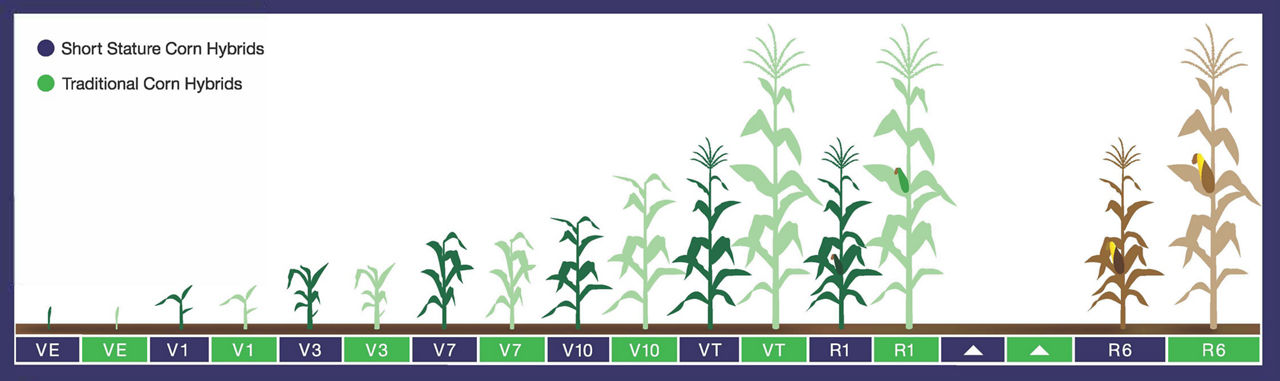
Traditional corn hybrids often grow 9 to 12 feet tall. Short stature corn hybrids average 5 to 7 feet tall, depending on the hybrid and growing environment (Figure 1).
The difference is not caused by fewer leaves. Traditional corn and short stature corn generally produce about 18 to 21 leaves during the life of the plant. Instead, the shorter height comes from shorter internodes. Internodes are the spaces between the leaves along the stalk. In short stature corn, the internodes are more compact, especially below the ear.
The plants follow the same corn growth stages as traditional corn. The difference in height usually becomes noticeable around the V6 to V8 growth stages, when traditional corn begins a period of rapid stalk growth (Figure 2).
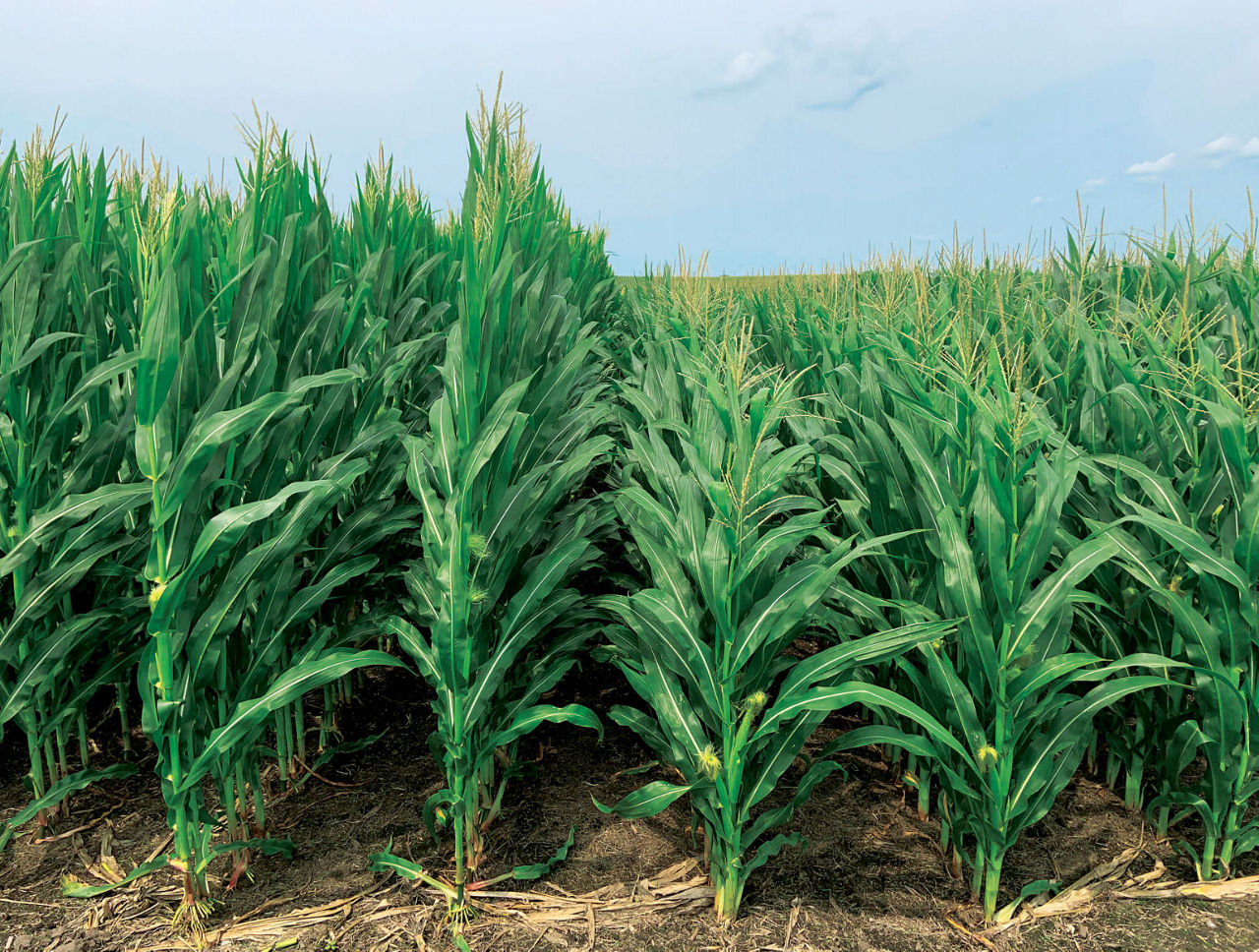
Short Corn Plant and Ear Measurements
Short stature corn hybrids are designed with several familiar characteristics:
- Target plant height of 7 feet or less, compared with 9 to 12 feet for traditional-height corn
- Target ear height of at least 2 feet to maintain compatibility with standard harvest equipment
- Ear size similar to current corn hybrids
- A compact plant structure that may support higher planting densities when matched with the right product, field and management practices
This shorter structure is intended to help farmers address three common challenges in corn production.
Corn Production Challenges That Short Corn Addresses
Challenge 1: High Winds Cause Greensnap & Lodging Which Reduces Yield Potential
High winds can cause greensnap and lodging, making harvest more difficult and reducing yield potential. The taller the plant, the more leverage the wind can place on the stalk and root system.
Short Corn’s Tolerance to Greensnap & Lodging Can Help Protect Yield Potential
The compact structure of short stature corn can provide increased tolerance to lodging and greensnap during high winds and challenging weather conditions. In Bayer internal trials, short stature corn hybrids withstood wind gusts of more than 50 mph.1
Shorter internodes and a sturdier stalk structure help the plant remain standing. This can reduce the risk of crop loss and make fields easier to harvest after a severe weather event.
The Preceon™ Smart Corn System2 uses short stature corn products as one part of an approach designed to help farmers manage weather risk and protect yield throughout the season.
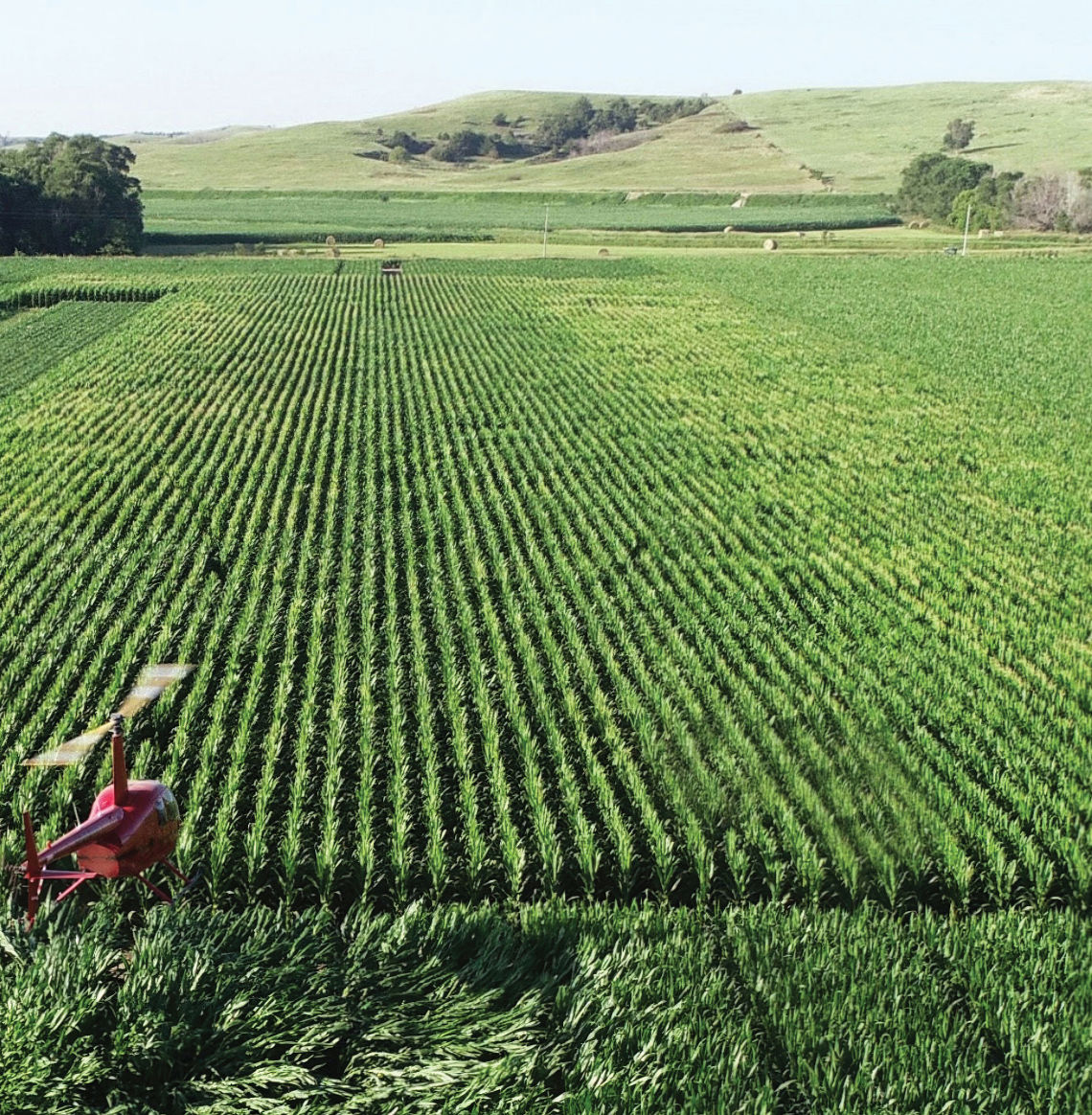
Challenge 2: Tall Corn Limits In-Season Field Access
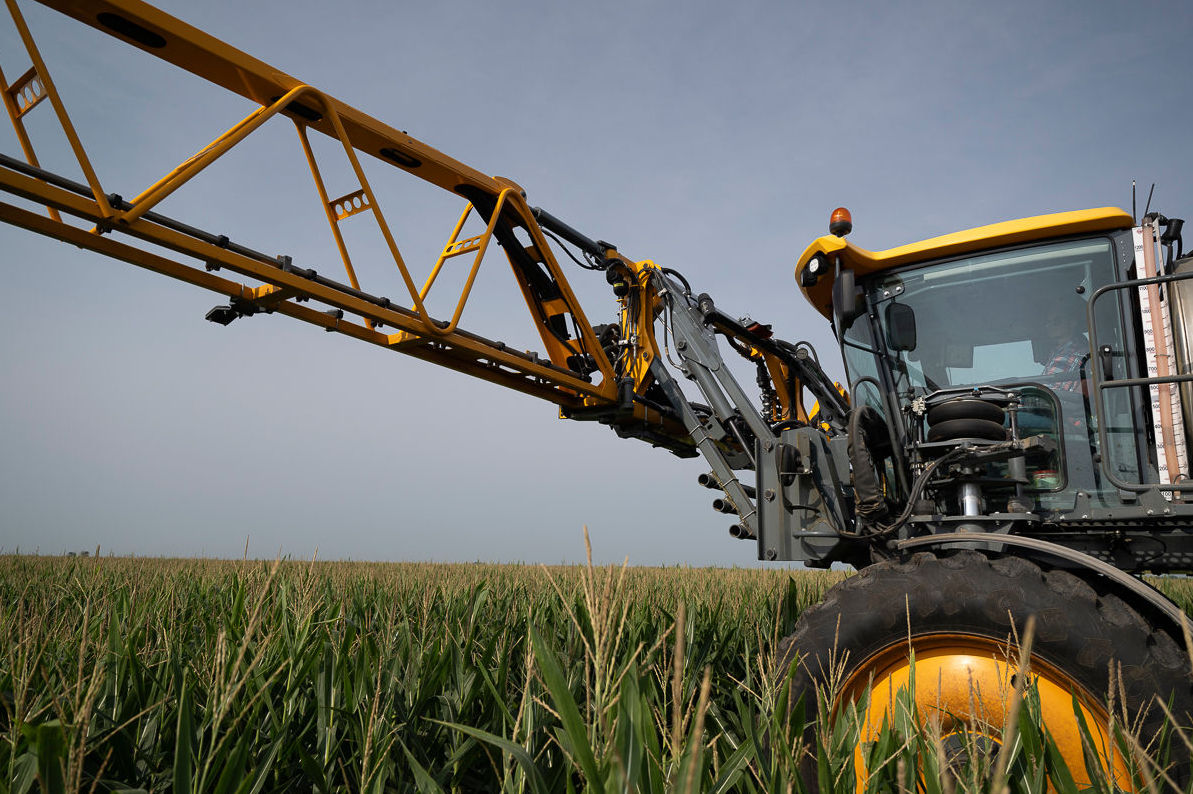
As traditional corn reaches 9 to 12 feet tall, standard ground equipment may no longer be able to enter the field without causing crop damage. This can limit a farmer’s ability to make timely late-season applications.
Applications such as fungicides, insecticides, and supplemental nitrogen may require specialized equipment or aerial application once the crop becomes too tall.
Short Corn Improves In-Season Access to Corn Fields
Because short stature corn remains lower to the ground, farmers may have access to the field for more of the growing season using standard ground equipment.
This wider application window can create more opportunities to apply crop protection products and nutrients when field conditions and crop requirements support an application. It can also give farmers greater flexibility when weather delays a planned treatment.
Season-long access does not mean every field will require additional applications. It gives farmers more options to respond when crop conditions, pest pressure or nutrient requirements change during the season.
Challenge 3: Farmers Need More Ways to Protect Yield Potential
Yield potential is influenced by many factors, including hybrid selection, planting density, fertility, weather, field placement and in-season management. After corn kernels are in the ground, the ability to alter these inputs to help protect yield potential is limited. Adding nitrogen via a sidedress application, addressing weed infestations, and protecting the crop from potential disease and insect injury are management factors that may help protect yield potential during the growing season.
Traditional corn can also become more vulnerable to lodging and greensnap as planting populations increase. This may limit how aggressively farmers can explore higher plant densities in some fields.
Short Corn’s Higher Planting Densities Help Protect Yield
The improved standability of short stature corn may allow farmers to evaluate higher planting densities without the same level of concern about stalk quality and lodging later in the season.
In initial Bayer trials, the root systems of short stature corn hybrids also demonstrated the potential to explore more soil volume faster than traditional-height corn hybrids.3 This may help support the crop as farmers evaluate different planting populations and nutrient strategies.
The goal is not simply to plant more seed. It is to find the right combination of hybrid, field placement, planting density and crop management for each operation.
The Preceon™ Smart Corn System combines short stature corn products with agronomic support and FieldView™ digital insights. These tools can help farmers capture field data, compare management practices and make more informed decisions based on results from their own acres.
Higher planting rates and additional crop inputs do not protect genetic yield potential. Performance depends on the product, field, environment and management practices used.
Short Stature Corn Plants Have a Different Structure With Familiar Fundamentals
Short stature corn looks different from traditional corn, but many of the fundamentals remain the same. It produces a similar number of leaves, follows the same growth stages and maintains ear height designed for standard harvest equipment.
The main difference is its compact structure. Shorter internodes reduce the overall height of the plant and can provide advantages in standability, field access and management flexibility.
By addressing some of the limitations associated with traditional-height corn, short stature corn gives farmers another way to manage risk and explore the yield potential of each acre.
Learn More About Short Corn
Learn more about the science behind short stature corn and the Preceon™ Smart Corn System.
Visit the Preceon™ Smart Corn System science page.
Looking for more information or have a question about short stature corn?
Sources
1Based on Bayer internal trials 2018-2020 across a range of environments (535 locations, 16 states), including numerous testing locations in the path of the 2020 Derecho event across Iowa (results submitted for journal publication).
2The Preceon™ Smart Corn System, including short stature corn products developed through traditional breeding, is commercially available for planting in the growing season via the Ground Breakers® program.
3Based upon root observations from 2018-2020 Bayer internal trials, both in greenhouse and limited field environments (5 locations, 2 states), comparing limited genetics of short stature vs. traditional-height corn hybrids.
945350_TR
Disclaimer
ALWAYS READ AND FOLLOW GRAIN MARKETING AND ALL OTHER STEWARDSHIP PRACTICES AND PESTICIDE LABEL DIRECTIONS.