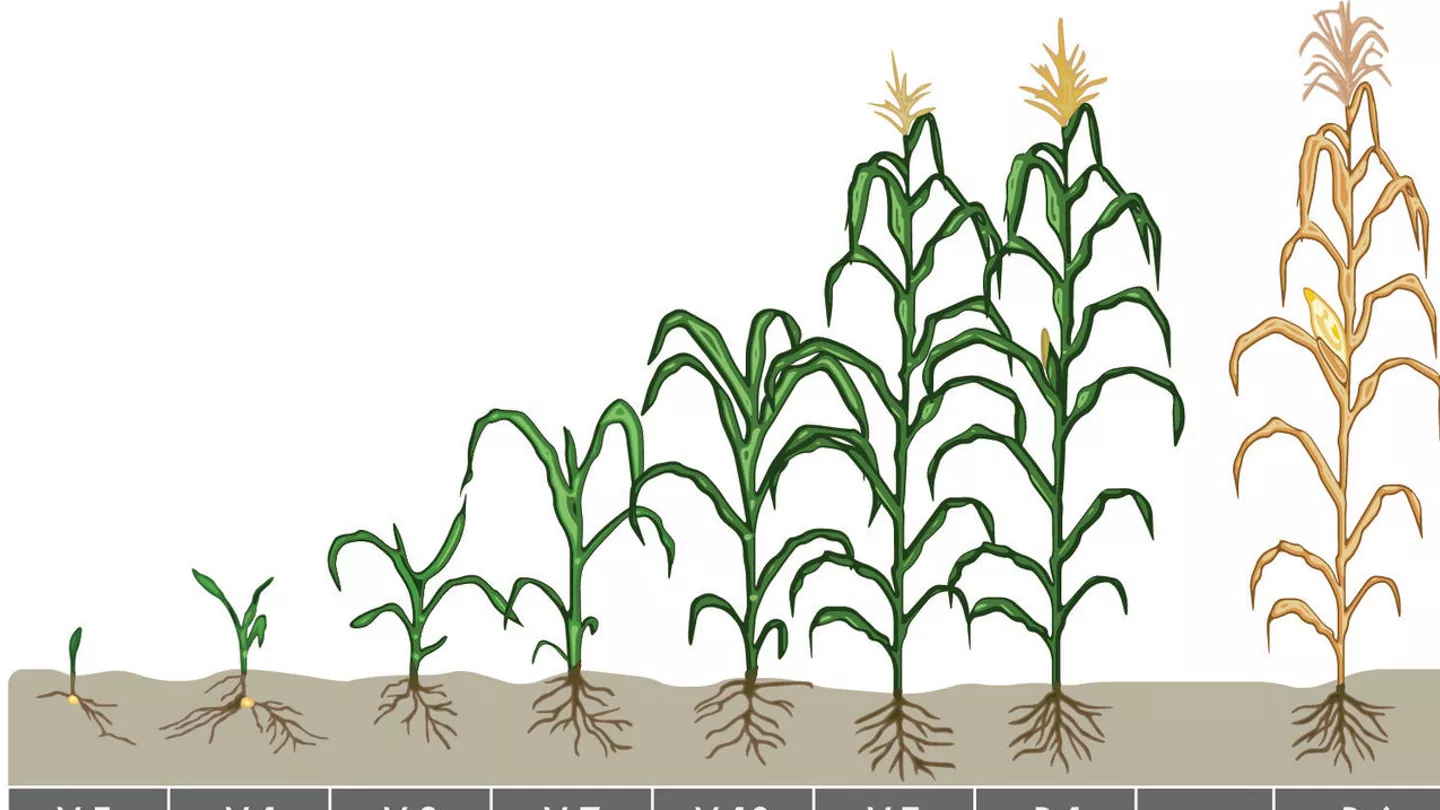

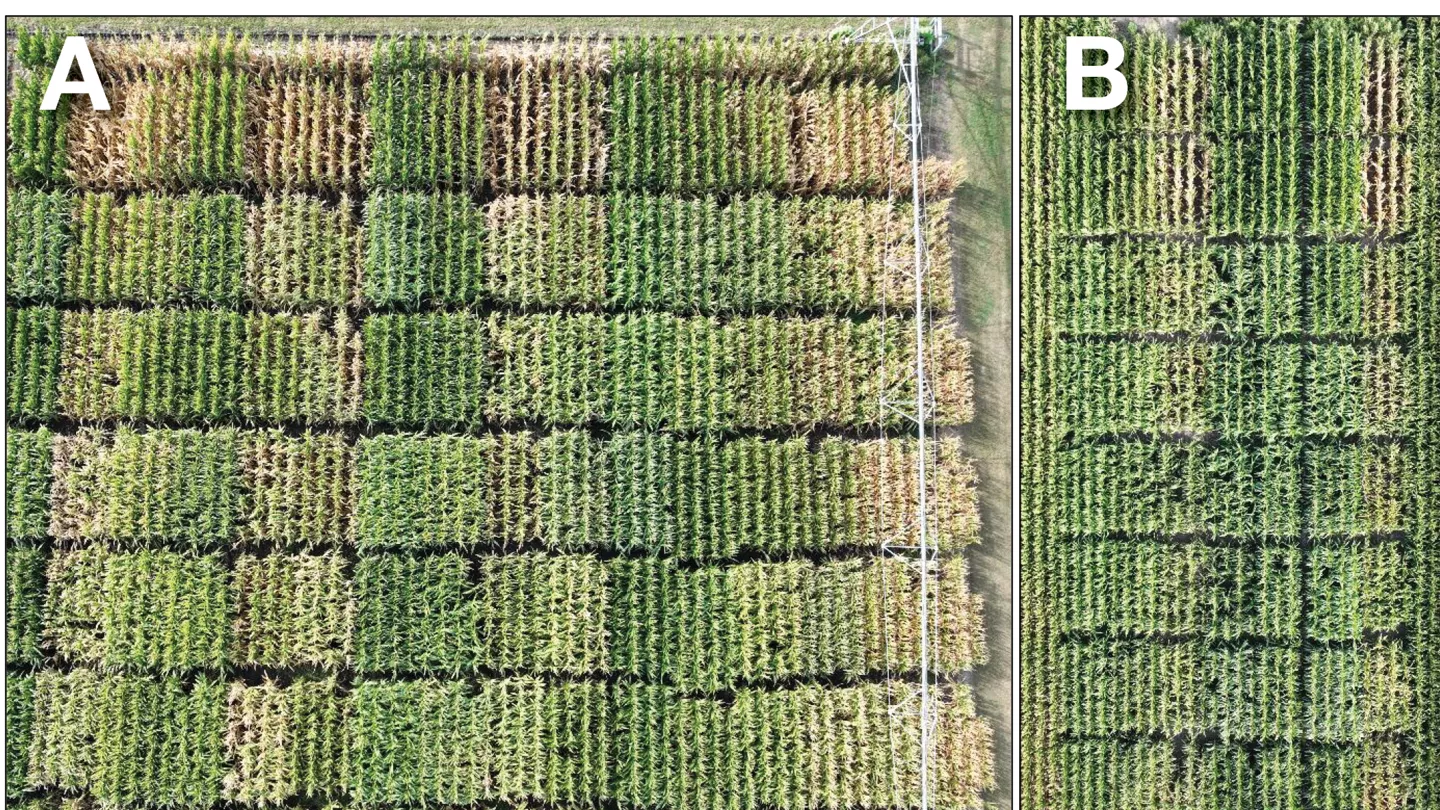
Maturity
113Strengths
check
Outstanding yield potential product with Trecepta® Technology that responds well to high management fields
check
Outstanding disease tolerance package with stable performance under stressed growing conditions
check
Good response medium-high population densities
check
Attractive late season appearance and strong late season standability
Gdus To Black Layerinfo_outline GDU (Growing Degree Unit): Ratings are based on observations and research using herbicides at labeled and above labeled rates to simulate extreme environmental conditions, misapplication and adverse soil pH or organic content. | 2825 |
Gdus To Mid-pollinationinfo_outline GDU (Growing Degree Unit): Ratings are based on observations and research using herbicides at labeled and above labeled rates to simulate extreme environmental conditions, misapplication and adverse soil pH or organic content. | 1375 |
Relative Maturity | 113 |
PoorExcellent
National Rating Scale1 = Excellent, 9 = Poor, NR = Not Recommended, - = data is insufficient at this time.
PoorExcellent
National Rating Scale1 = Excellent, 9 = Poor, NR = Not Recommended, - = data is insufficient at this time.
Fusarium Ear Rot | Above Average |
Gibberella Ear Rot | Average |
Diplodia Ear Rot | Average |
Kernel Row | 14-16 |
Emergence | 2 |
Trait | TRERIB |
Variety | undefined |
Recommended Agronomy Resources
ARTICLEEffect Of Planting Date On Short-Statured Corn ProductsMay 16, 2023
ARTICLEHarvest Safety TipsJune 6, 2023
ARTICLEDetermining Corn Growth StagesOctober 15, 2020
Disclaimer
Always read and follow pesticide label directions, insect resistance management requirements (where applicable), and grain marketing and all other stewardship practices.