The Importance of Early Season Weed Control in Corn
June 4, 2026
Get Year-Round Updates From Our Agronomic Experts
Weeds compete with corn and other crops for primary resources including water, light, nutrients, and space. Weeds can reduce grain yield, produce seeds that can germinate the following year(s), slow harvest, reduce grain quality, provide hosts for diseases and damaging insects, and can be toxic to humans or livestock.
Start Clean, Stay Clean – Why Early Season Weed Control in Corn is Important
Corn is very susceptible to early season competition from weeds, which can have an immediate negative impact on yield potential, making early weed control a crucial part of corn production. Yield loss due to weed competition is dependent on the weed species, density, and the timing of weed emergence in relation to crop growth stage. Starting clean with either tillage or a preplant burndown herbicide to remove emerged weeds, along with a residual herbicide—either at planting or soon after—to help prevent the emergence of additional weeds can reduce or eliminate weed competition with young corn plants for the first six to eight weeks following crop emergence.
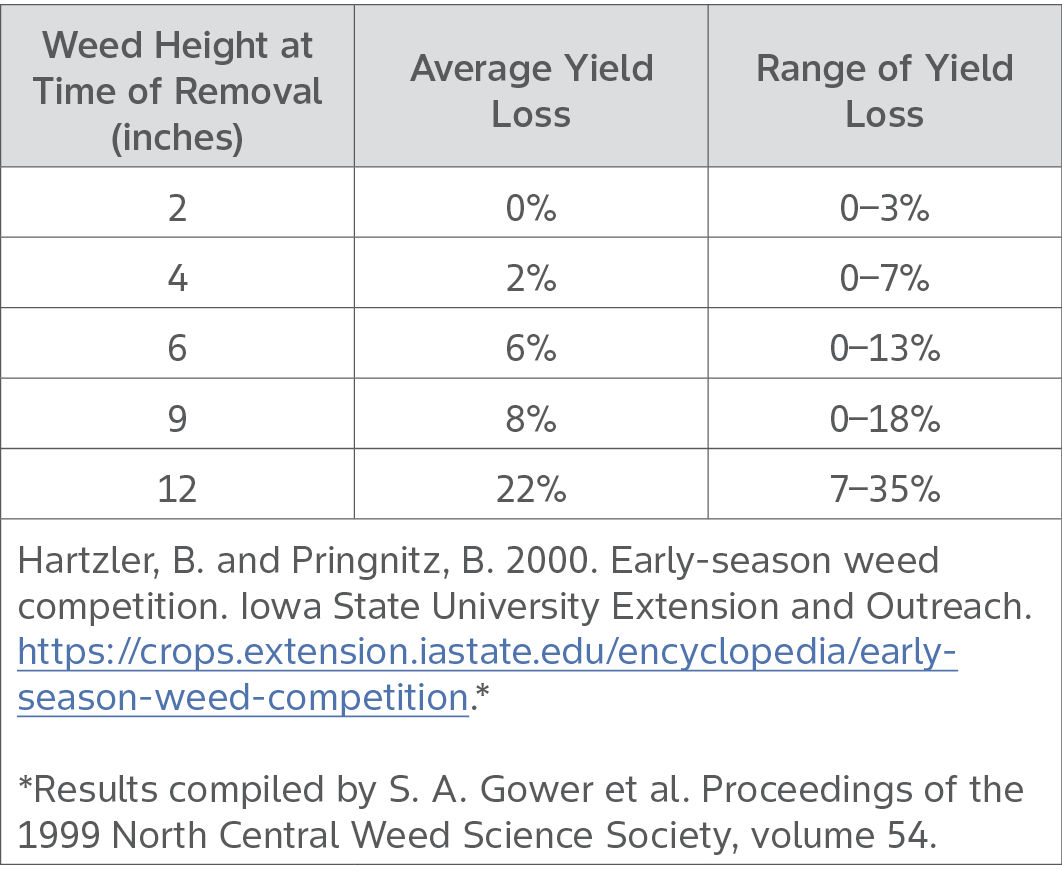
Yield losses of seven bushels per acre (bu/acre) were observed when seedling corn had to compete with a mixture of weed species reaching six inches tall. When weed competition was allowed to continue through 12-inch weed height, a 31 bu/acre loss occurred.1
The loss of corn yield potential from a weed infestation can be attributed to several factors including competition for soil moisture, space, and light. Indeed, weeds may reduce the quality of light available to nearby corn plants simply by reflecting wavelengths less suitable for growth off their foliage.2
How Water Use by Weeds Can Impact the Profitability of Growing Corn
Water use (WU) by some weed species may equal or exceed that of the corn crop due to aggressive root growth and a greater effective root zone per plant. Corn yields can be directly impacted by the competition between weeds and crops for the same water supply, reducing potential profitability for the grower.3
The Critical Period of Weed Control in Corn
The critical period of weed control (CPWC) is defined as the length of time following planting during which weeds need to be controlled to prevent yield loss from occurring.4,5 The CPWC consists of two components: the amount of time from planting to weed emergence during which weeds need to be controlled, and the timing of the removal of weeds that are in competition with the crop.6
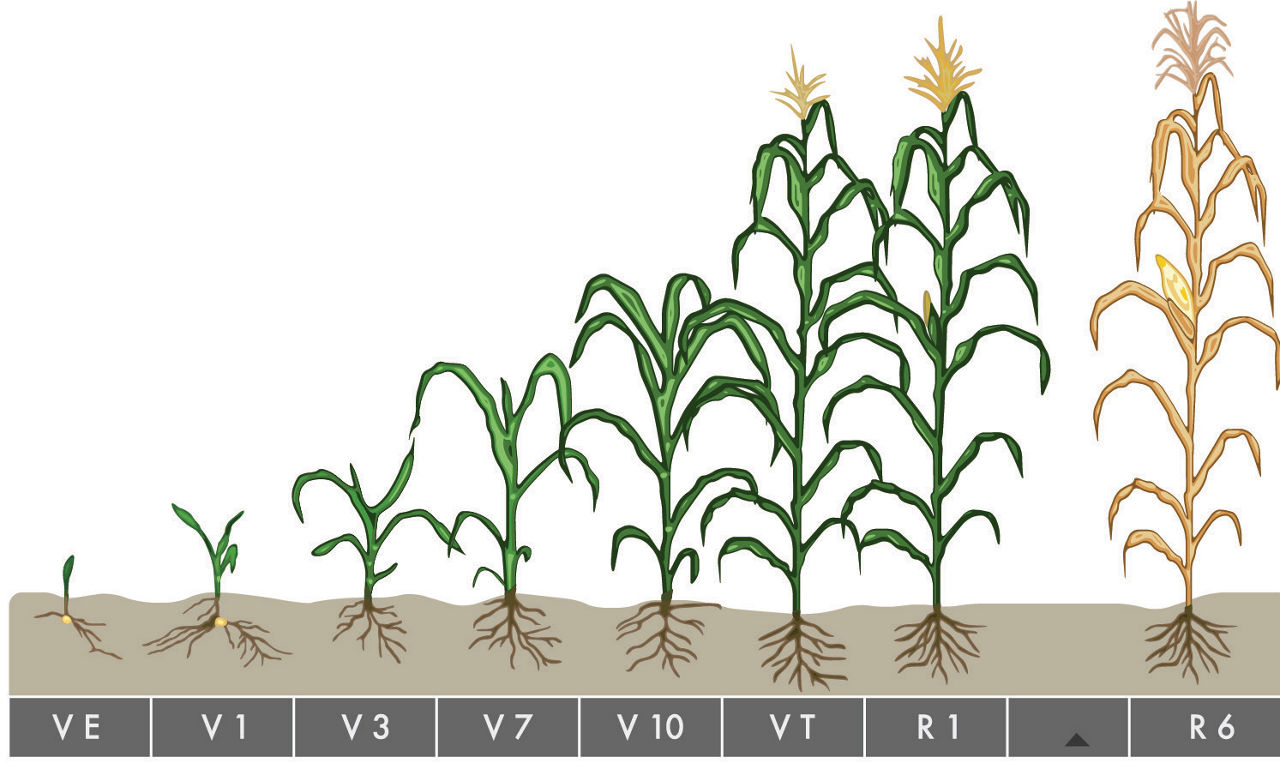
There are no simple guidelines that can predict the CPWC for a given crop since this period is influenced by complex and highly variable factors such as the weed species present, weed density, early season moisture availability, the timing of emergence, cropping practices, other environmental conditions, and the fertility status of the soil for several plant nutrients including nitrogen (N). Studies have indicated that weed density is highly correlated to the CPWC, with high weed densities shortening the length of the CPWC period. In general, most studies have found that controlling weeds before they are about four inches tall will protect the yield potential of corn.7,8 Additionally, another study which collected data over two years across multiple locations found that, for avoiding a yield penalty, the optimal time to remove weeds was just over three weeks after planting, when weeds were less than four inches tall and prior to the crop’s V4 growth stage.8 Table 1 is a summary of 37 experiments that studied the effect of the timing of early season weed removal on potential yield loss in corn.3 Note that the range of yield loss (column 3) can vary widely, as previously mentioned.
Table 1. The effect of weed height at early season weed removal on corn yield loss.5
Not All Weeds Compete Equally with Corn
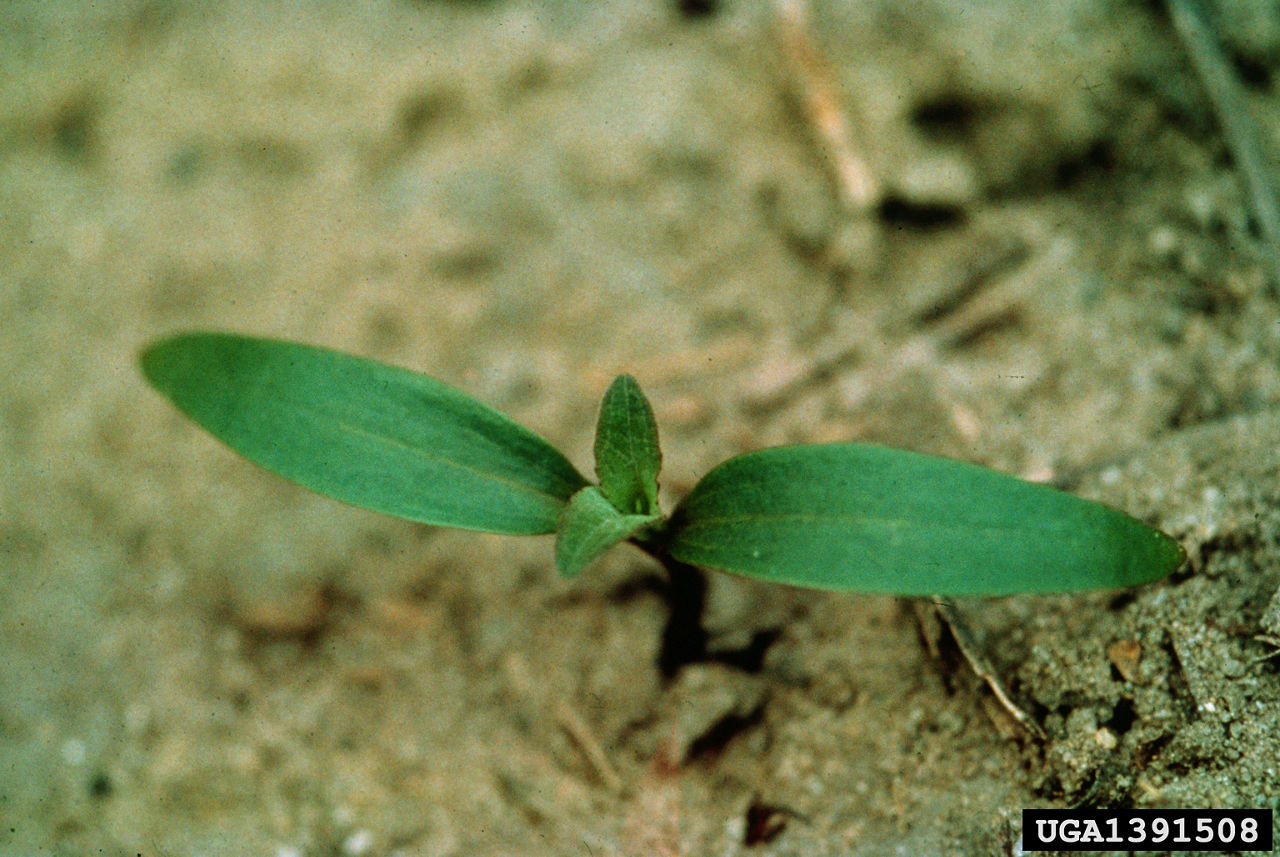
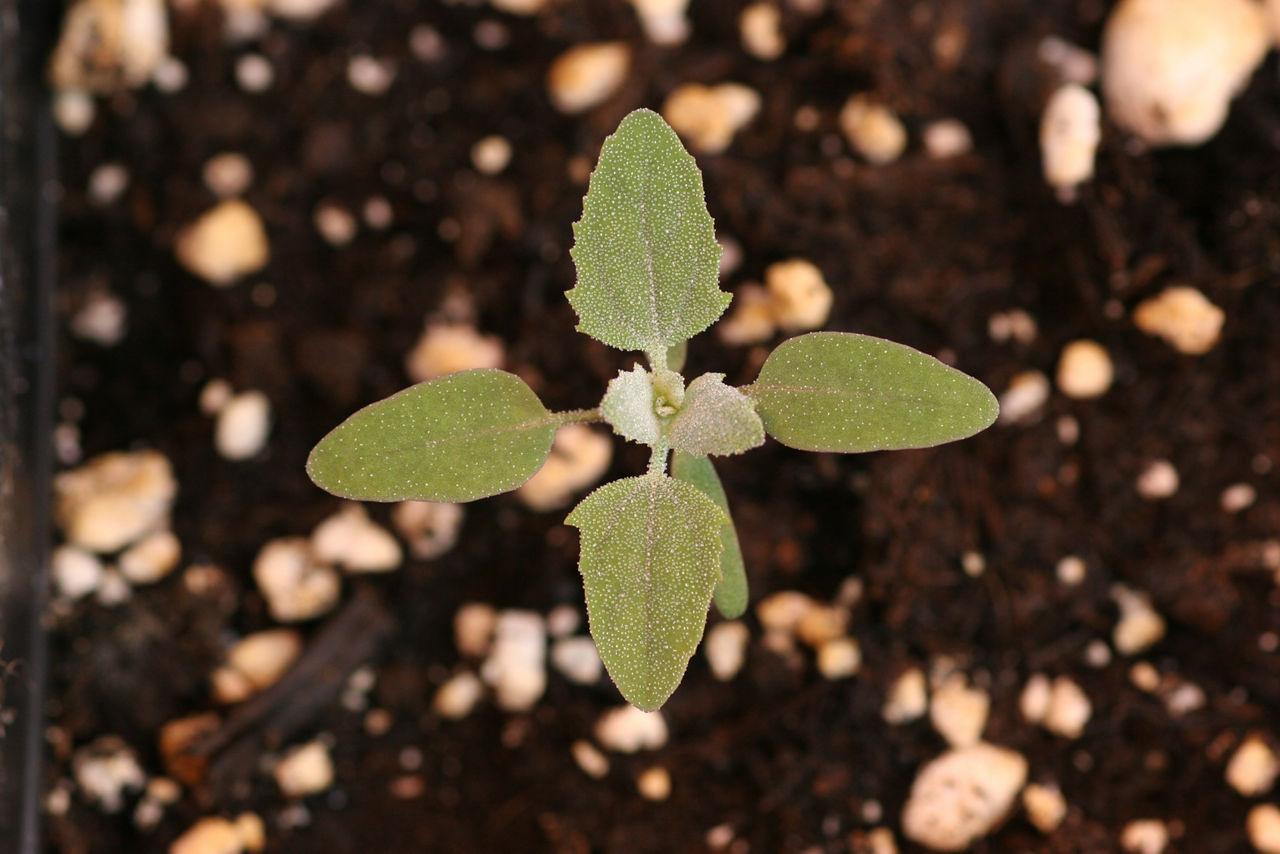
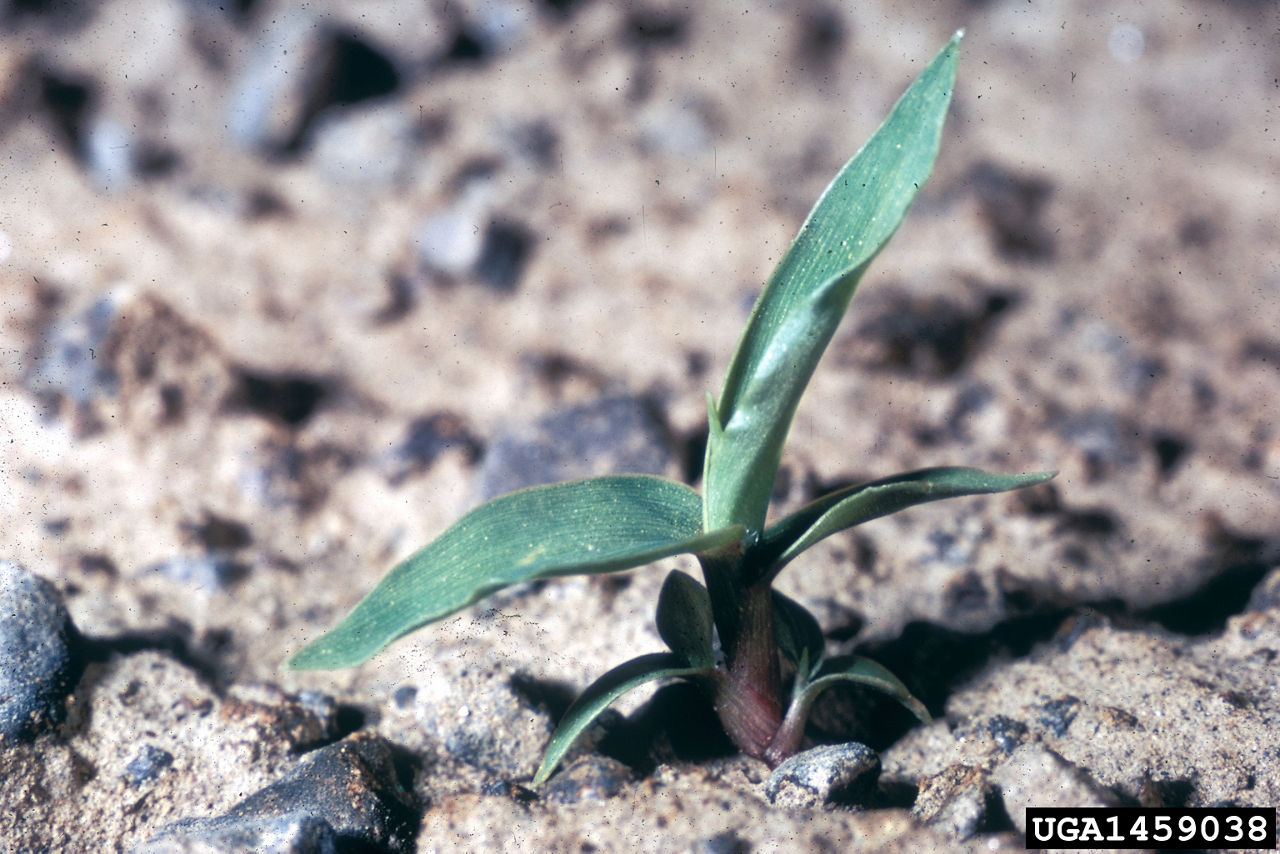
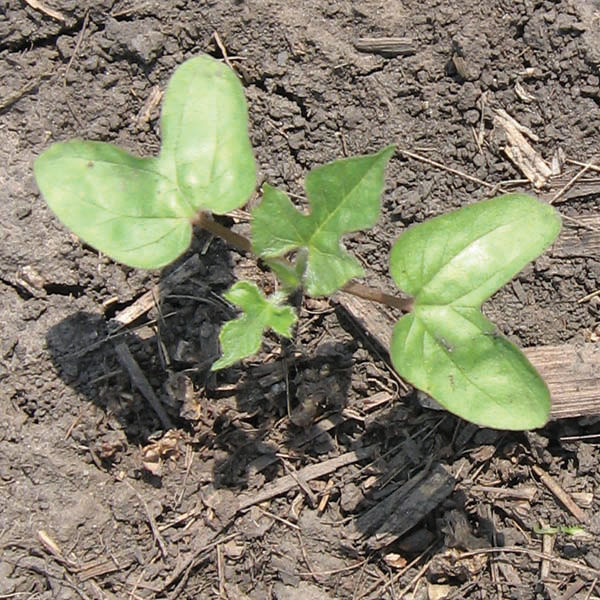
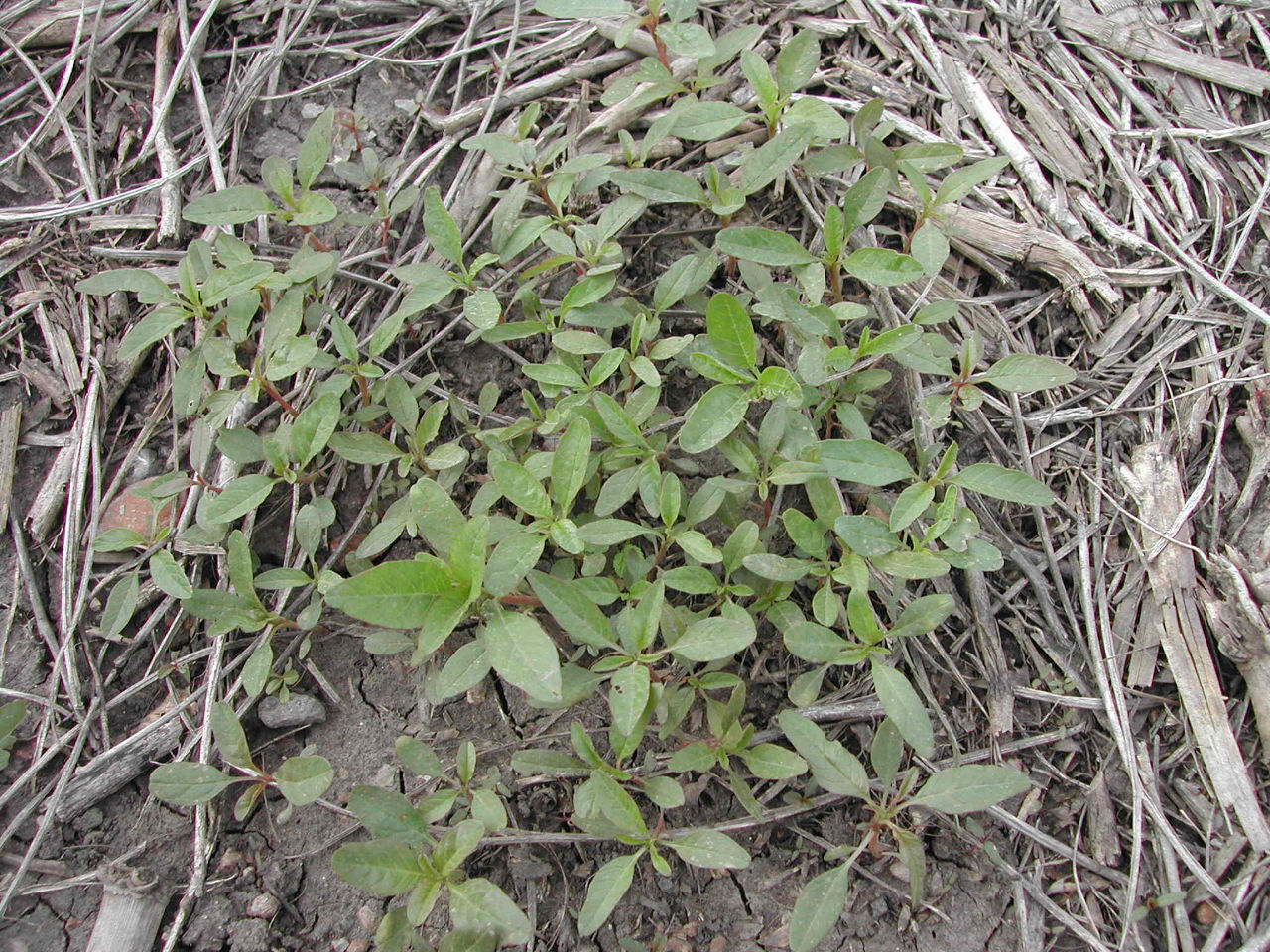
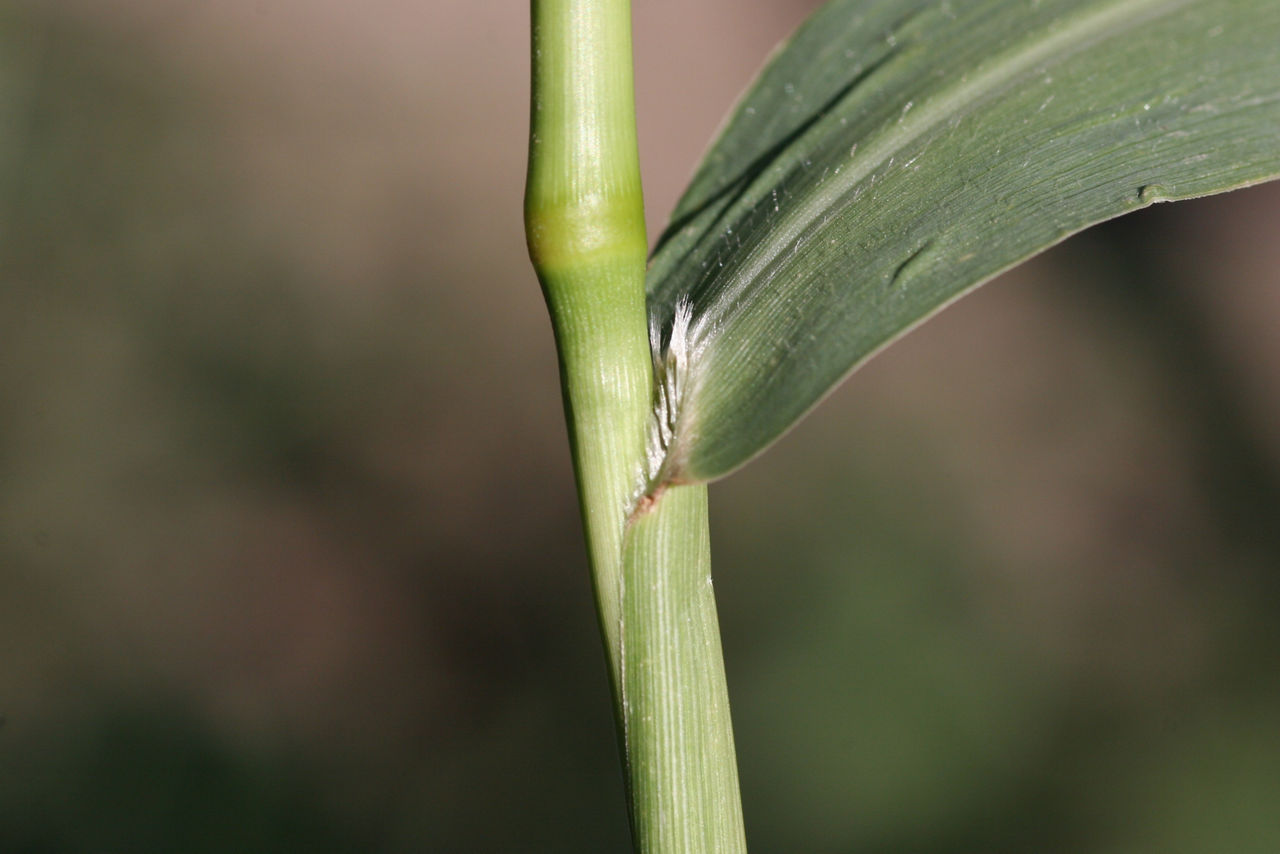
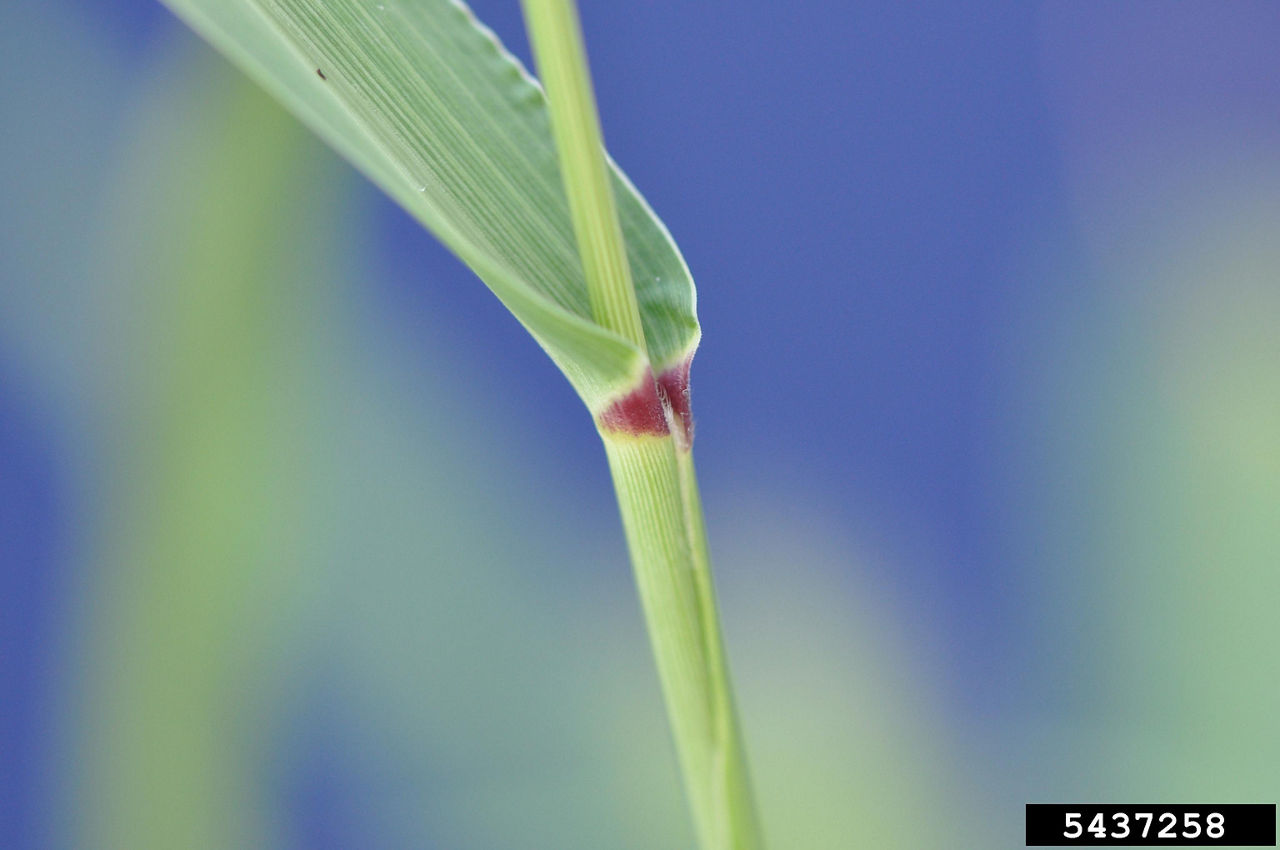
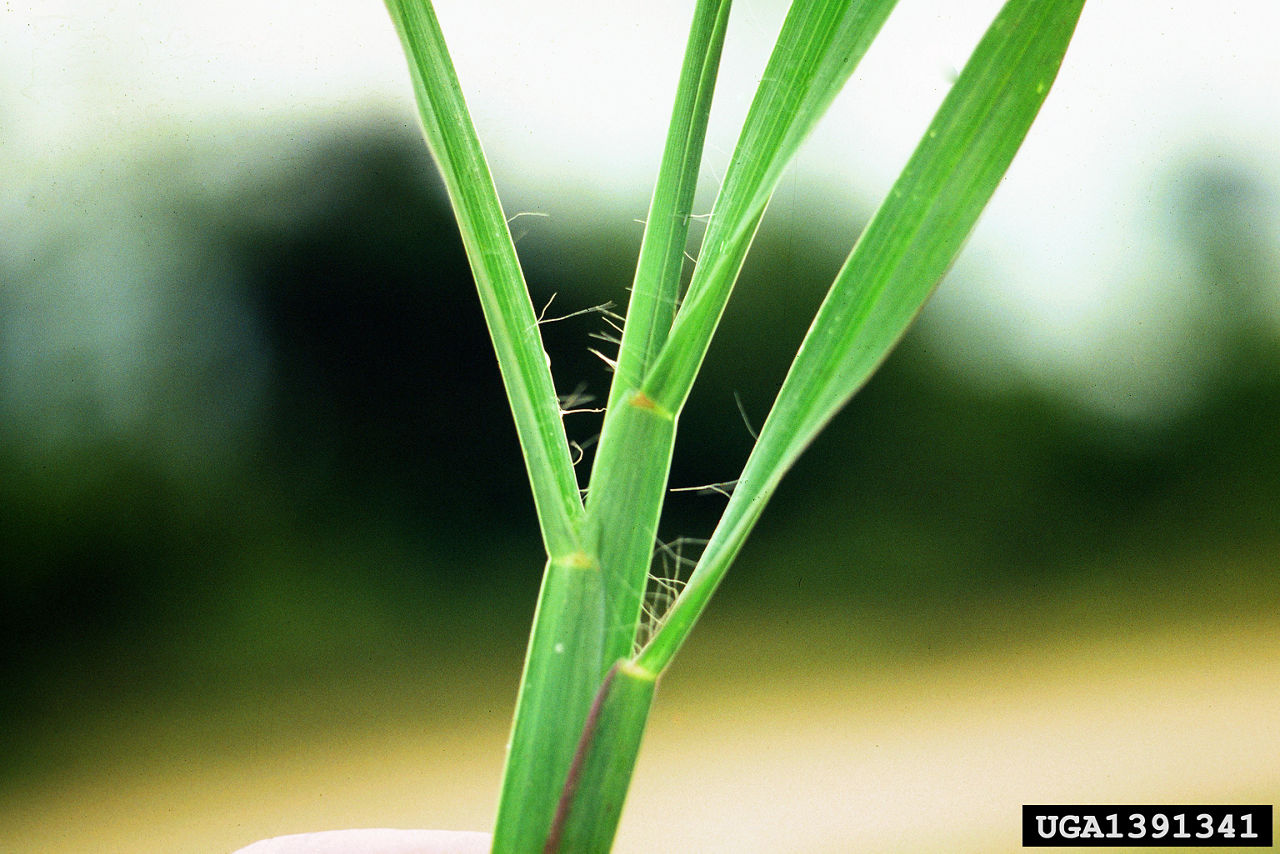
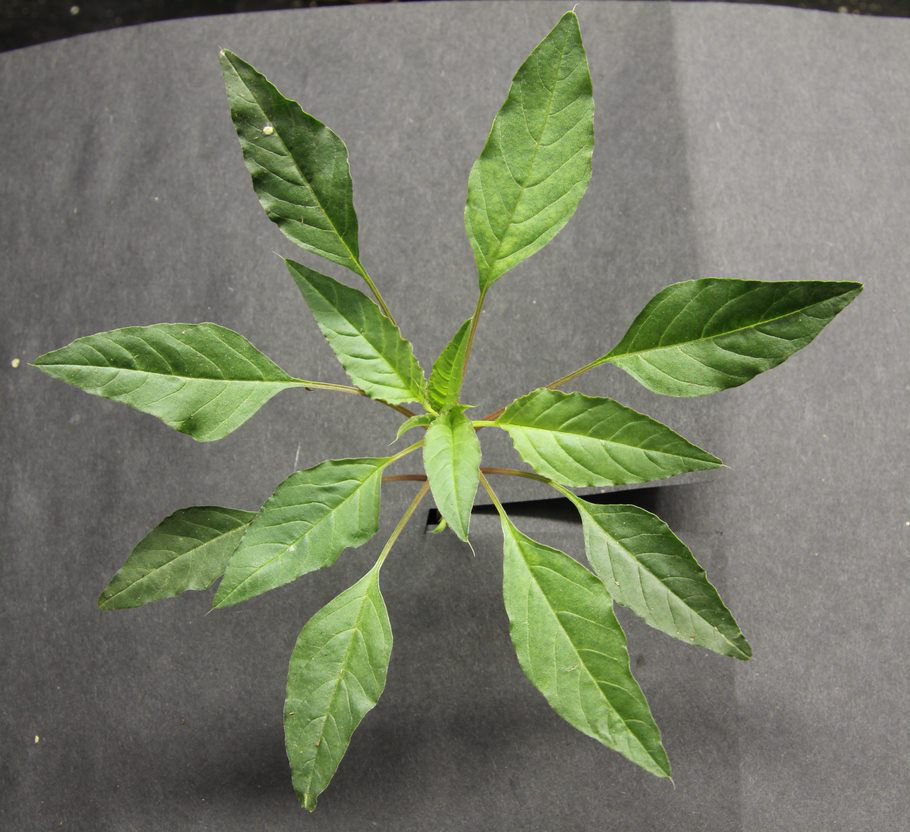
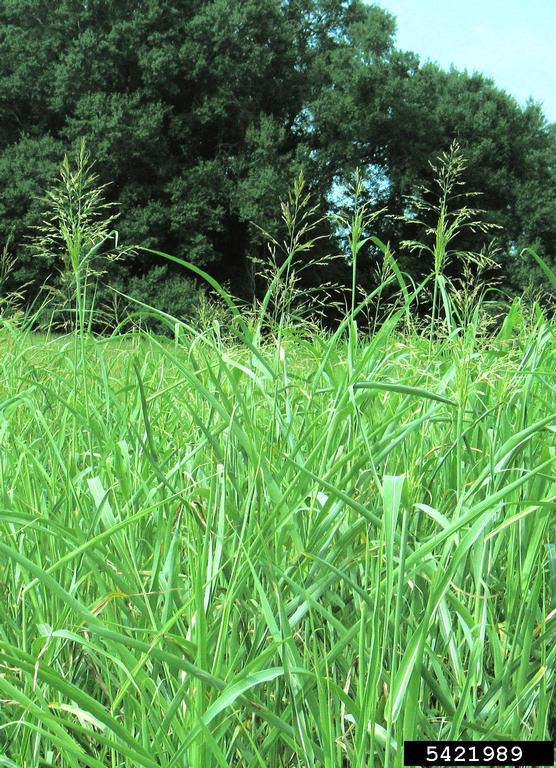
Grass and broadleaf weeds are not all equally competitive with corn. For example, broadleaves are typically more competitive per plant than grass weed species. Some weeds that are common in corn fields have been given a competitive index (CI) value. The higher the CI number, the more competitive the species is with corn. Highly competitive broadleaf weeds such as cocklebur (Figure 2) and giant ragweed have some of the highest CI values, while common lambsquarter (Figure 3) and pigweed species are considered less competitive. Grassy weed species such barnyardgrass (Figure 4) and giant foxtail have lower CI values than most of the common broadleaves. Because of differences in the competitive nature of weed species, it might take, for example, as many as 80 foxtail plants to equal the amount of competition to corn that is imposed by 40 pigweeds or only 10 cockleburs.9 A survey by the Weed Science Society of America (WSSA) in 2023 listed the following weeds as the most competitive in grass crops (e.g., corn and grain sorghum): morningglory (ivyleaf, pitted, and small flower; Figure 5), waterhemp (Figure 6), foxtail species (giant, green, and yellow; Figure 7), Palmer amaranth (Figure 8), johnsongrass (Figure 9), barnyardgrass, and kochia (Figure 10).
Weed Scouting – Why It Is Important and What to Look for
Scouting provides vital information necessary for developing an effective weed management plan, as does a field’s history of weed infestations if it is known. A field’s history provides information on what weed species may have left seeds that are lying dormant in the field, waiting—potentially for several years—for favorable conditions to germinate, while scouting provides accurate and up-to-date information on the weed species currently present.
Several methods can be used scout fields, such as those discussed in more detail here https://www.cropscience.bayer.us/articles/bayer/making-decisions-based-on-weed-scouting-in-corn. Regardless of scouting method, the goal is to identify the weed species present, weed type (annual, perennial, grass, or broadleaf), size, population density, growth stage of both the weeds and the corn crop, and if the identified weed(s) have any known or potential herbicide resistances. Scouting should begin before planting to determine if a burndown herbicide, an approved tank mix of several herbicide modes of action (MOA), or tillage is needed to provide a clean start.
Scouting should continue throughout the growing season. During harvest, combine operators can use platforms such as FieldView™ to mark the locations of any weed escapes.
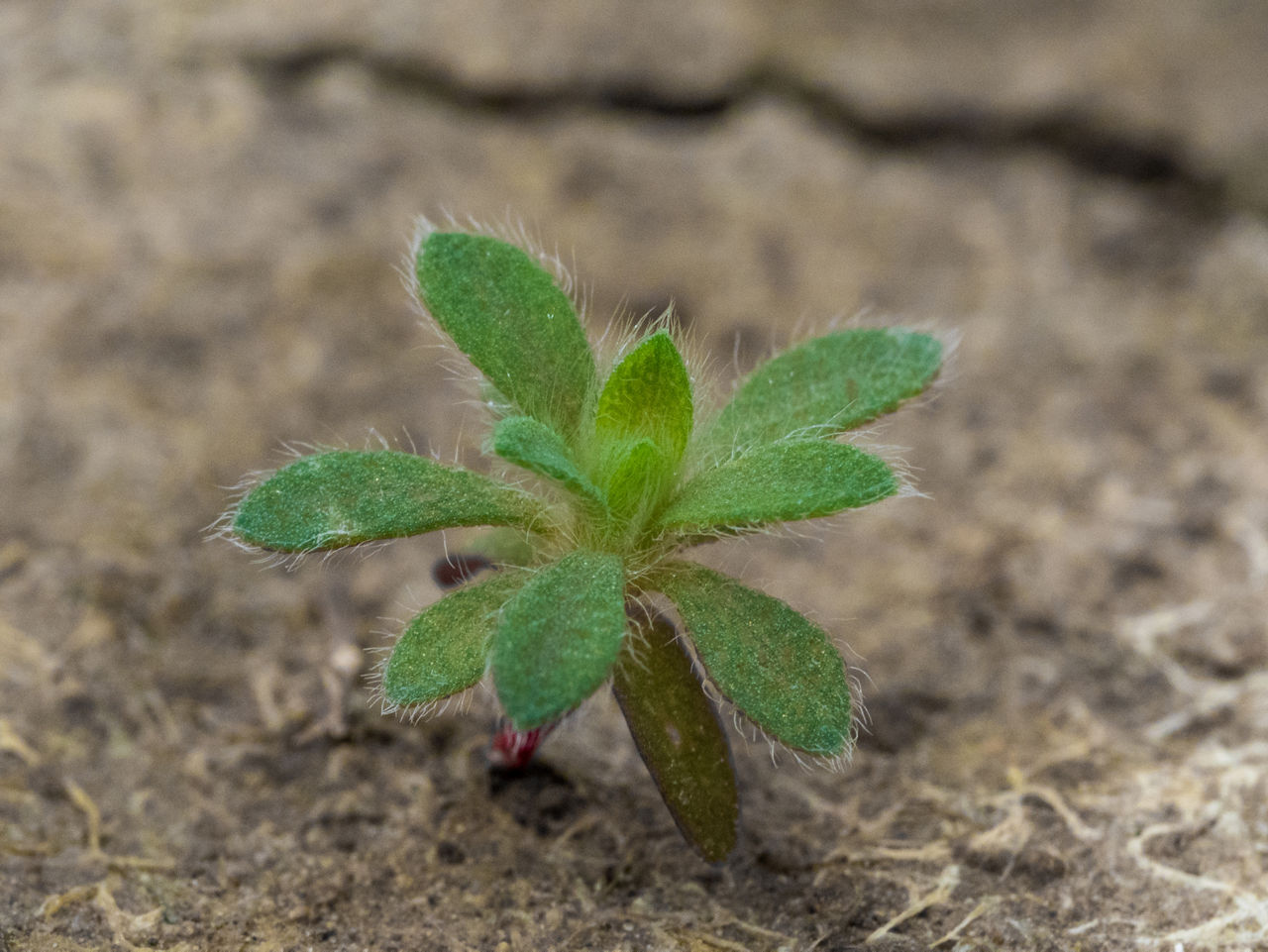
The following images can help identify some weed species that may be seen while scouting fields.
Considerations When Developing a Weed Management Plan for Corn
Using the information gathered while scouting, a weed management plan can be developed that incorporates Integrated Pest Management (IPM) techniques to establish an overall approach to weed control. Weed management plans may vary by field for any farming operation and should provide flexibility if the original plan cannot be executed for any reason, such as weather-related delays.
The basics of a plan might include control measures in the fall with the use of herbicides, tillage, or cover crops. Getting a clean start in the spring may include the use of tillage, or burndown and/or residual herbicides followed by timely in-season use of post-emergence herbicides to keep the field clean. Herbicide labels must be read and followed. Note the growth stage or height of both the weeds and the corn, any restrictions concerning livestock grazing or feeding, and plant back restrictions for future crops. Use the following link https://www.cropscience.bayer.us/articles/bayer/corn-growth-stages-and-gdu-requirements for information on how to determine the growth stages of corn.
A weed management plan should also include the use of multiple and overlapping modes of action to manage known weed resistance to certain herbicide groups to help reduce the chance of additional resistance development. For example, Bayer products such as Harness® Xtra and Harness® Xtra 5.6L herbicides offer two modes of action while TriVolt™ herbicide has three. DiFlexx® products offer the flexibility of preplant, preemergence, or early postemergence applications, or as permissible tank-mix partners with residual herbicide products. Be sure to read and follow the label instructions for these products. For additional information on the Bayer portfolio of herbicides, please visit https://www.cropscience.bayer.us/crop-protection/catalog?productType=Herbicide.
Sources
1Burns, E. and Sprague, C. 2021. Protecting crop yields starts with early season weed control. Michigan State University Extension. https://www.canr.msu.edu/news/protecting-crop-yields-starts-with-early-season-weed-control
2Rajcan, I., Chandler, K.J., and Clarence, J.S. 2017. Red–far-red ratio of reflected light: A hypothesis of why early-season weed control is important in corn. Weed Science. 52(5): 774–778. https://doi.org/10.1614/WS-03-158R
3Singh, M., Kukal, M.S., Irmak, S., and Jhala, A.J. 2022. Water use characteristics of weeds: A global review, best practices, and future directions. Frontiers in Plant Science. 7(12): 794090. https://pmc.ncbi.nlm.nih.gov/articles/PMC8777227/
4Knezevic, S. The critical period of weed control in corn. University of Nebraska–Lincoln, CropWatch. https://cropwatch.unl.edu/critical-period-weed-control-corn/
5Hartzler, B. and Pringnitz, B. 2000. Early-season weed competition. Iowa State University Extension and Outreach. https://crops.extension.iastate.edu/encyclopedia/early-season-weed-competition
6Jones, E., Rozeboom, P., Alms, J., and Vos, D. 2024. Critical period of weed control: A good, but not perfect guideline. South Dakota State University Extension. https://extension.sdstate.edu/critical-period-weed-control-good-not-perfect-guideline
7Hartzler, B. 2001. Critical periods of competition in corn. Iowa State University Extension and Outreach. https://crops.extension.iastate.edu/encyclopedia/critical-periods-competition-corn
8Gower, S.A., Loux, M.M., Cardina, J. et al. 2003. Effect of postemergence glyphosate application timing on weed control and grain yield in glyphosate-resistant corn: Results of a 2-yr multistate study. Weed Technology. 17(4):821–828. https://www.jstor.org/stable/3989768
9Weed competition in corn. Corn States. https://www.corn-states.com/app/uploads/2018/07/weed-competition-in-corn-rrplus.pdf
Web sources verified 05/27/2026. 1221_848751
Disclaimer
ALWAYS READ AND FOLLOW GRAIN MARKETING AND ALL OTHER STEWARDSHIP PRACTICES AND PESTICIDE LABEL DIRECTIONS.