5 MIN READ
Should I Use an Insecticide When Planting Corn?
January 16, 2026
Get Year-Round Updates From Our Agronomic Experts
Introduction
- An important aspect of corn production is planning for potential insect problems, especially prior to planting. Some corn pests can cause severe damage and potentially cause yield losses.
- Pesticides are recommended when there is potential for pest damage to cause economic losses greater than pest management costs (i.e., when economic thresholds are met).
- Insect pressure can vary greatly from field to field (different soil types and different crop rotation) and from year to year. Therefore, pest management options should be made with careful consideration of historical insect problems in an area and the field history where corn is to be planted.
Are soil-applied insecticides a good way to manage early season corn insect pests?
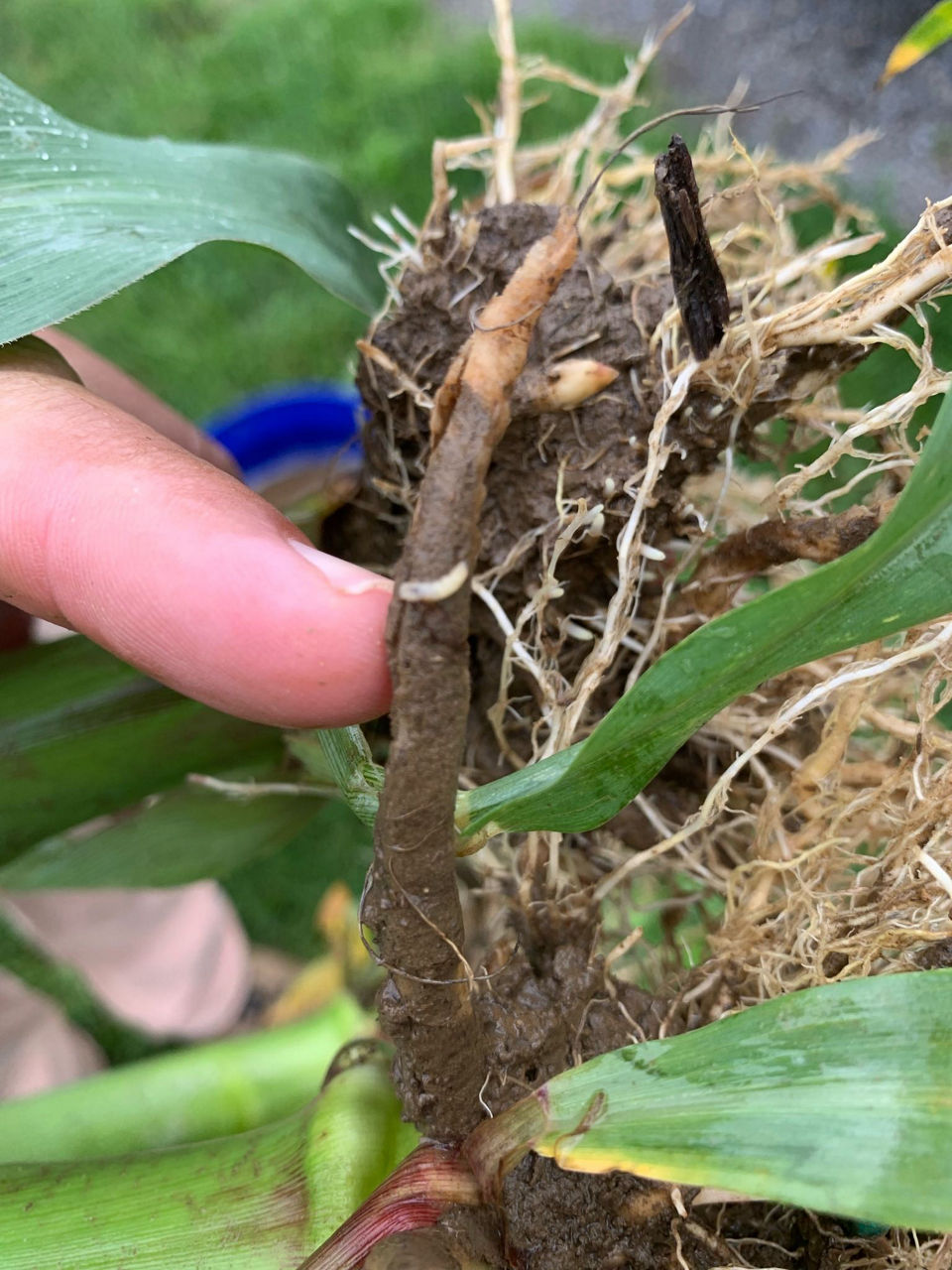
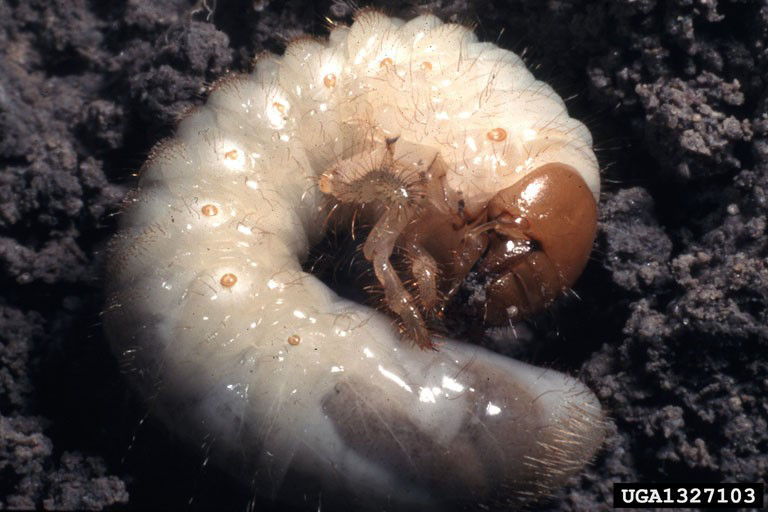
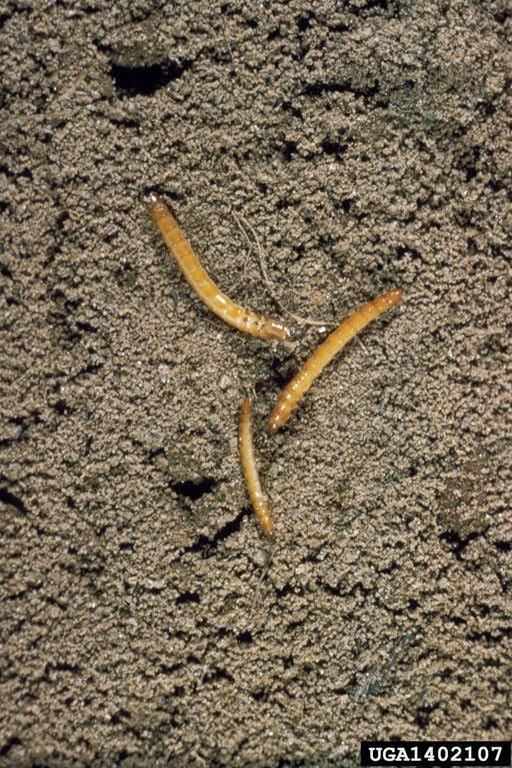
Yes, soil-applied insecticides can be an effective method to help manage corn rootworms (Figure 1) and other early season corn insect pests. Soil applied insecticides may help to manage black cutworm, grubs (Figure 2) and wireworm (Figure 3).1,2 Three application techniques are available to treat soil: preplant broadcast, row band or T-band, and in-furrow at planting.
Are soil-applied insecticides available in both liquid and granular formulations?
Yes, both liquid and granular formulations are available. However, the number of granular products available is greatly reduced from the number of options available before Bacillus thuringiensis (B.t.) technology corn products were introduced. Before commercialization of B.t. corn products, a soil-applied insecticide was one of a few options available to growers anticipating economic rootworm injury in continuous or rotated corn.3 The use of a granular or liquid soil-applied insecticide on a non-rootworm B.t. corn product remains a viable tactic to help protect corn roots.1,3
Can granular or liquid insecticides be used together with rootworm traited B.t. corn products to control rootworm larvae?
Except for a few limited cases Bayer Crop Science does not recommend granular or liquid insecticides on top of B.t. traits. Growers should consult their state extension entomologist and/or local Bayer Crop Science agronomist for best recommendations based on grower’s pest and planting history (i.e. continuous corn and pest pressure).
Are additional pests controlled by a soil-applied insecticide?
A corn soil pest found on the list of controlled pests by some granular soil insecticides are plant-parasitic nematodes, which are a non-insect pest. Not every granular soil insecticide has nematodes on the label; therefore, it is important to consult the insecticide label for the product to determine the pests that are controlled.
Conclusion
Each soil-applied insecticide has its advantages and disadvantages depending on cost per acre, pests controlled, ease of use, local restrictions, application window for best control, and risk of personal exposure to the insecticide during application. When using pesticides, always follow the label instructions and use appropriate personal protective equipment (PPE). For additional insect management in corn, please visit Integrated Management for Corn Insects.
Sources
1Integrated pest management program. Department of Entomology. Martin-Gatton College of Agriculture, Food and Environment. University of Kentucky. https://ipm.mgcafe.uky.edu/grain-crops-ipm/corn
2Goldsworthy, E. Field corn insects. NC State Extension. North Carolina State University. https://corn.ces.ncsu.edu/field-corn-insects/
3Seiter, N. and Spence, J. 2019. Field performance of seed treatments and soil insecticides for corn rootworm control. Illinois FarmDoc. https://farmdoc.illinois.edu/field-crop-production/insects/field-performance-of-seed-treatments-and-soil-insecticides-for-corn-rootworm-control.html.
1215_99196
Disclaimer
ALWAYS READ AND FOLLOW GRAIN MARKETING AND ALL OTHER STEWARDSHIP PRACTICES AND PESTICIDE LABEL DIRECTIONS.