5 MIN READ
Brown Midrib Corn Silage and Flex-Acre Product Comparison
April 7, 2026
- Flex-acre corn silage products have high grain production potential and moderate fiber digestibility.
- Brown midrib (BMR) corn products have less grain production potential and greater fiber digestibility than flex-acre corn silage products.
- Compared to flex-acre corn silage products, BMR corn products are valued for increased fiber digestibility due to lower lignin levels.
- Most BMR silage is fed to high producing dairy cattle; however, the industry is moving away from these products by the 2030 growing season.
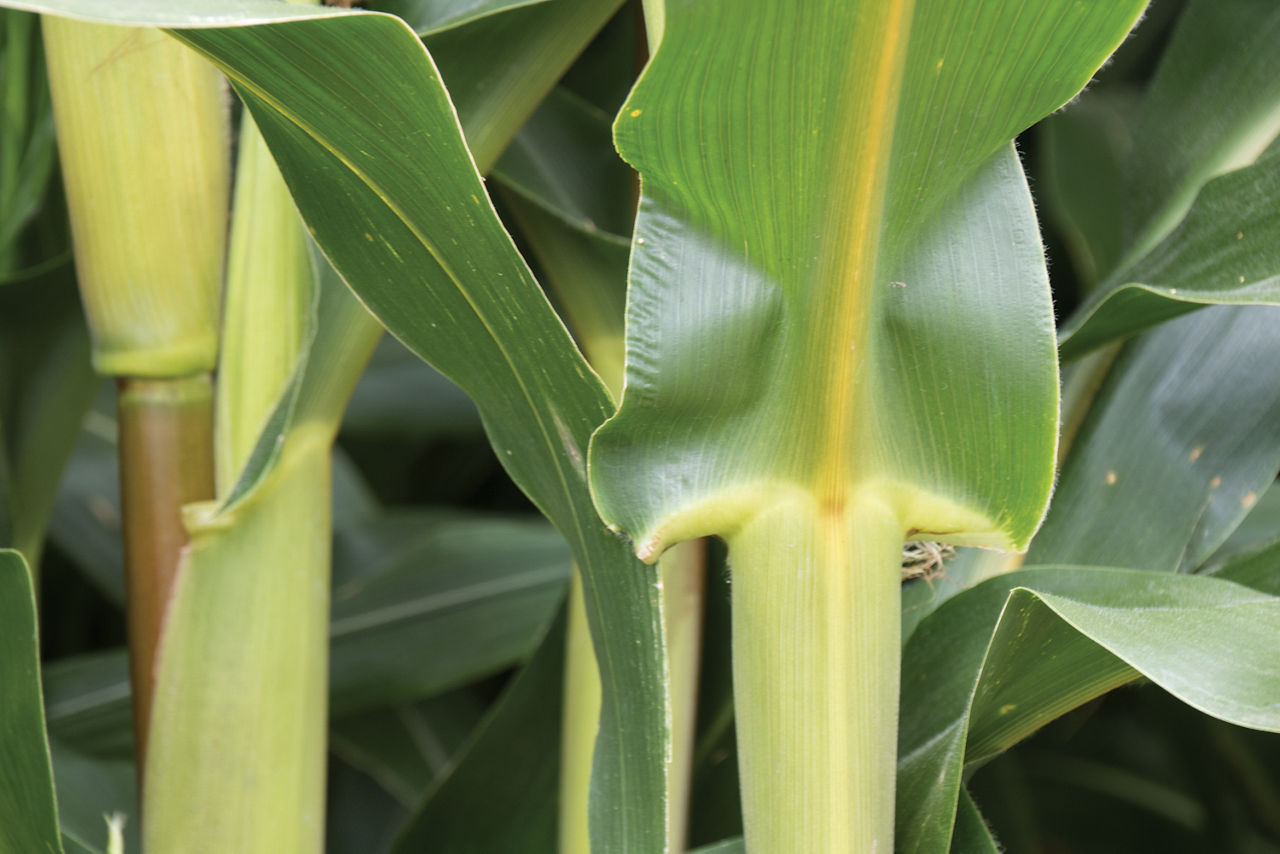
What is lignin and brown midrib corn?
Lignin is an organic substance that binds the cell walls in fibers. This key structural material is found in cell walls and is needed for support (stems) in a vascular plant.1 Brown midrib (BMR) mutation was first discovered in dent corn at St. Paul, Minnesota in 1924. This naturally occurring (non-GMO) alteration of regular corn was identified as having a three percent lower acid detergent fiber score (significantly less lignin) compared to conventional hybrids. Corn silage products with BMR are being phased out of lineups by the 2030 growing season.2
Why is lignin content important to silage quality?
Rumen microorganisms cannot break down lignin. Lignin is the key obstacle to fiber digestion as it obstructs enzyme access to the digestible fiber fractions of cellulose and hemicellulose.1 Less lignin improves performance associated with reduced gut fill and greater passage rate. Greater digestibility of forage fiber is desired for productivity and profitability. Low digestibility promotes rumen fill, limiting consumption and milk production.
Brown Midrib Corn Silage Products
The BMR gene is naturally occurring and BMR corn products that are currently offered for sale have been genetically modified to include insect and herbicide traits also offered in non-BMR corn products. Brown midrib corn products are selected for ruminant rations due to greater digestibility, and this parameter is often measured as neutral detergent fiber digestibility at 30 hours incubation (NDFD30). A seven percent greater NDFD30 has been reported for BMR compared to conventional silage products.2 The enhanced digestibility of BMR leads to increased feed intake and animal performance in high-production dairy cows.
Considerations When Selecting a Brown Midrib Corn Silage Product
- Lower yield potential - Improvements have been made to increase the yield potential (tons per acre) of BMR corn products; however, a yield drag of 10 to 40% has been reported, especially for older BMR corn products.3 Lower yield potential should be expected with BMR corn, and a dairy with limited acres may need to purchase additional silage from other producers.
- Starch content - BMR products have consistently less starch in the silage when compared to flex-acre corn silage products. One study indicated ear dry matter yield per BMR plant was 7.5% lower than for conventional corn silage products.4 However, total dry matter yield averages were similar between BMR plants and conventional corn products.
- High seed costs - Seed cost for BMR products are higher than flex-acre corn silage products with the same trait package.
- Stress tolerance - In general, BMR corn products have less drought stress and disease tolerance than flex-acre corn silage products.
- BMR products should be planted on higher producing fields to reduce the concern over drought and other stress concerns that could reduce yield.
- Standability issues - BMR corn products may have a higher risk of plant lodging or bowing in the presence of high winds which can cause harvest problems.
- Separate storage - BMR products should be stored and fed separately to get the most benefit from the high fiber digestibility and high dry matter intake potential of a BMR silage ration.
Feeding Brown Midrib Corn Silage
Separate from the agronomics of growing BMR corn silage products, the herdsman or nutritionist then formulates rations to feed out BMR silage for top cow performance.
- Nutritionists adjust rations for fiber digestibility and intake rates depending on where a cow is on her lactation curve, or milk output cycle. Rations with a one-percent increase in NDFD30 are expected to raise milk production by 0.55 lbs. of milk per cow per day.2
- More BMR silage can be fed (as a percentage of the ration) to the high producing animals in the herd. Cows typically reach peak milk production 40 to 70 days after calving.5 Higher peak milk production nearly always translates into higher total lactation yields (more milk produced). A stable milk increase of two to three pounds per cow increase in milk yield would help justify the price of BMR corn products with lower tonnage yields.3
- Many nutritionists add grain (as an energy source) to balance a dairy ration. When a ration is built around a BMR silage source, more energy is available from the forage part of the ration, and less grain is required to reach the desired energy level.
- A chop length of 0.75 inch was found adequate for BMR products and longer chop lengths did not improve lactation in cows producing 95 lb of milk/day.6
- Monitor the herd and fine-tune rations as needed to optimize feed use and milk production. Pay special attention to manure consistency, milk components, and milk urea nitrogen (MUN), to adjust the ration as needed.
Lignin Variability in Silage Production
Lignin variability in a corn plant can be seen year to year in the same corn product depending on the changes in the environment and the amount of stress during the growing season. Physiological maturity of forages also influences lignin content. Along with genetics, environmental influences have been observed to alter both concentration and composition of forage lignin affecting fiber digestibility.
Incorporating Flex-Acre Corn Silage Products into Rations
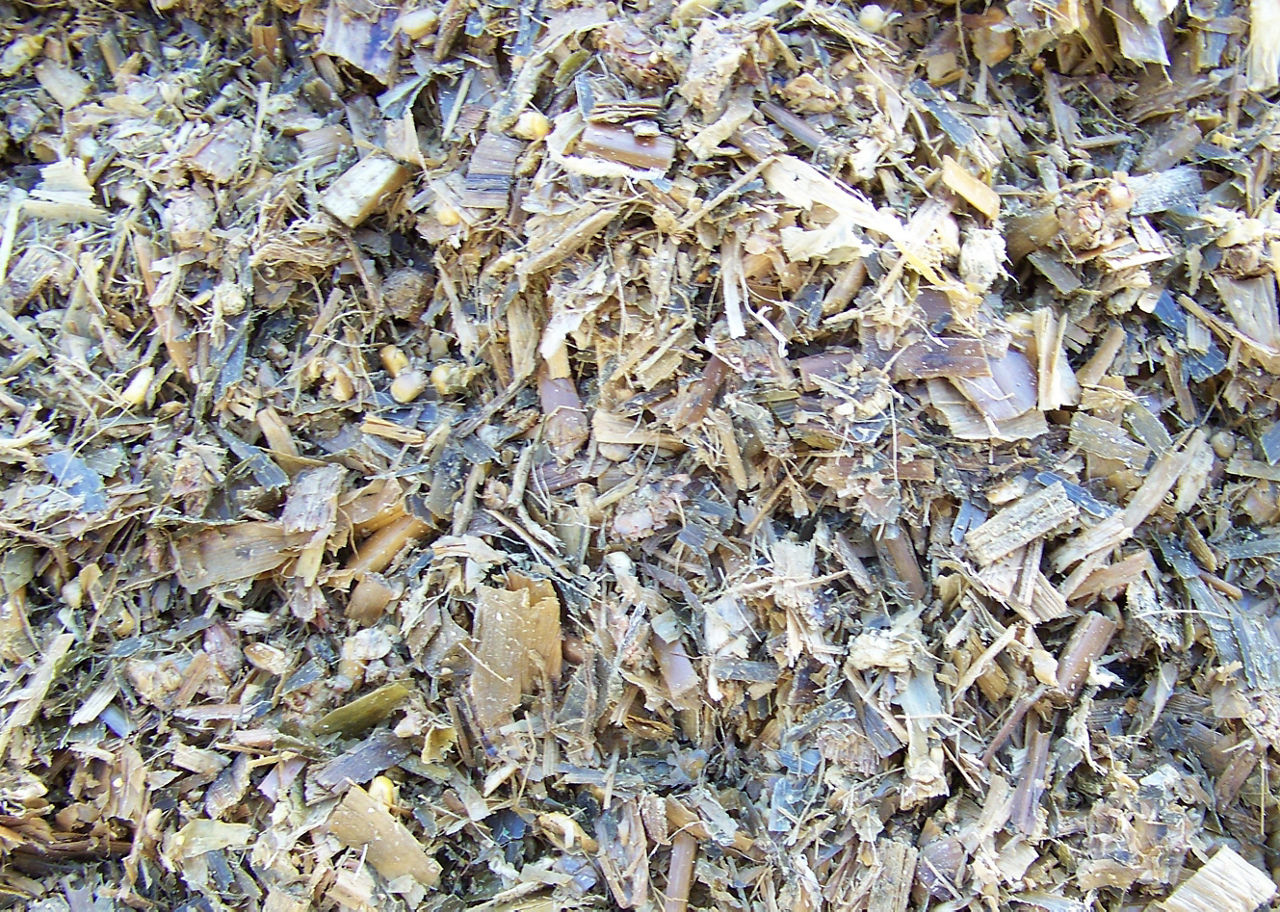
When comparing silage products, a BMR silage product can be expected to produce less milk per acre but more milk per ton of corn silage in most comparisons.7 Creating rations with proper digestibility ratings should be considered as BMR corn silage products are phased out of seed portfolios. Select top flex-acre corn silage products within the 60 to 65% NDFD30 range.8 Also consider higher cutting height at harvest to improve digestibility. By harvesting a greater proportion of the upper corn plant architecture, the starch and NDFD increase.
Sources
1Jung, H.G. 1989. Forage lignins and their effects on fiber digestibility. Agronomy Journal. Vol 81:33-38. https://doi.org/10.2134/agronj1989.00021962008100010006x
2Sattler, J., Pena Pena, M., and Jarek, K. 2025. Beyond BMR: Securing the future of high-quality corn silage. University of Wisconsin – Madison. https://cropsandsoils.extension.wisc.edu/articles/beyond-bmr-securing-the-future-of-high-quality-corn-silage/
3Roth, G.W. and Heinrichs, A.J. 2001. Corn silage production and management. Pennsylvania State University. https://extension.psu.edu/corn-silage-production-and-management
4Cherney, J., Cherney, D., and Digman, M. 2024. A closer look at conventional and BMR corn. Hay & Forage Grower. https://hayandforage.com/article-5065-A-closer-look-at-conventional-and-BMR-corn.html
52025. How much milk does a dairy cow produce per day? Science Insights. https://scienceinsights.org/how-much-milk-does-a-dairy-cow-produce-per-day/
6Schwab, E.C., Shaver, R.D., Shinners, K.J., Lauer, J.G., and Coors, J.G. 2002. Processing and chop length effects in brown-midrib corn silage on intake, digestion, and milk production by dairy cows. Journal of Dairy Science. Vol 85(3) 613-623. https://www.journalofdairyscience.org/article/S0022-0302(02)74115-5/pdf
7Lauer, J. and Coors, J. 1997. Brown midrib corn. Agronomy Advice. University of Wisconsin – Madison. https://corn.agronomy.wisc.edu/AA/A011.aspx
8Hunt, A. 2026. Life after BMR: the $103,000 corn silage decision behind 4 pounds of milk per cow. The Bullvine. https://www.thebullvine.com/news/life-after-bmr-the-103000-corn-silage-decision-behind-4-pounds-of-milk-per-cow/
Web sources verified 03/31/2026. 1210_90051
Disclaimer
ALWAYS READ AND FOLLOW GRAIN MARKETING AND ALL OTHER STEWARDSHIP PRACTICES AND PESTICIDE LABEL DIRECTIONS.