Identifying and Managing Septoria Brown Spot in Soybean
August 1, 2025
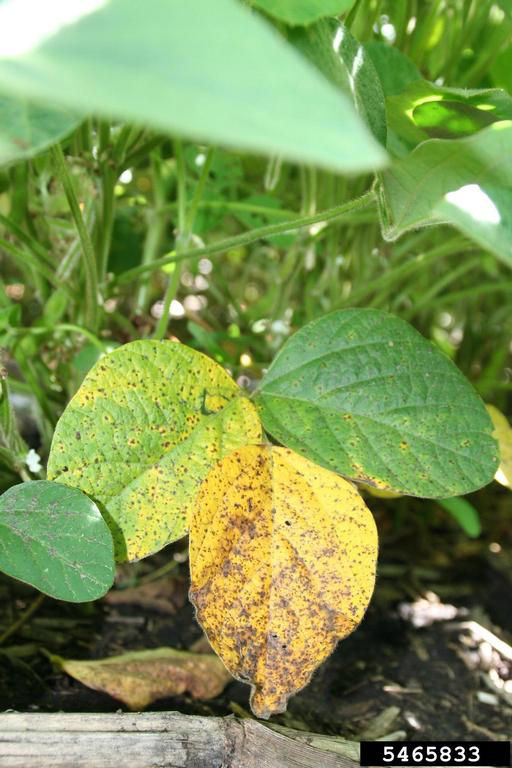
Septoria brown spot (brown spot), caused by the fungal pathogen Septoria glycines is a prevalent disease in soybean crops, especially in the Midwest. This disease is characterized by the appearance of irregular, dark-brown lesions on the lower leaves of soybean plants, often surrounded by a yellow halo. The lesions can vary in size, from small specks to larger spots, and may coalesce, leading to considerable leaf damage and defoliation (Figure 1).
Symptoms and Conditions Favoring Development:
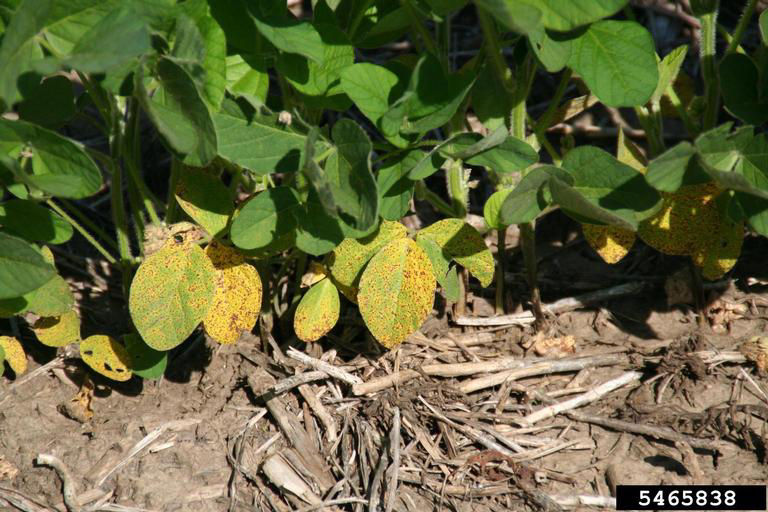
The disease typically manifests after extended periods of warm, wet weather, with optimal temperatures ranging from 60 °F to 85 °F.1 Symptoms usually begin on the lower leaves and progress upward (Figure 2), with tissue surrounding the lesions turning yellow. In severe cases, defoliation can occur, which may lead to reduced yield potential due to hastened maturity and smaller seed size.
Management Strategies:
- Crop Rotation: Rotate soybean crops with non-host crops such as corn or small grains for at least one year to help reduce pathogen inoculum in the soil.
- Field Drainage: Improve drainage in fields to help minimize prolonged wet conditions that favor disease development.
- Fungicide Application: Fungicides from the strobilurin family can be effective in preventing or reducing disease severity if applied before symptoms appear. In cases of severe infection, a foliar fungicide application is recommended at the R3 to R4 growth stages.2
- Cultural Practices: Implementing practices such as deep tillage can help bury infected residue, reducing the potential for disease development in subsequent crops.
- There is no known resistance to Septoria brown spot within soybean products; however, soybean products vary in susceptibility.3
Conclusion:
While Septoria brown spot is common and can potentially lead to some yield loss, sizeable impacts are rare. By recognizing the symptoms early and implementing effective management strategies, soybean growers can help mitigate the effects of this disease and maintain healthy crops.
Channel Agronomist
Lance Porter
Sources
1Dorrance, A.E. and Mills, D.R. 2011. Brown spot of soybeans. Ohio State University. AC-18. https://ohioline.osu.edu/factsheet/AC-18
22019. Septoria brown spot of soybean. Crop Protection Network. A Product of Land Grant Universities. https://cropprotectionnetwork.org/encyclopedia/septoria-brown-spot-of-soybean
3Malvick, D. 2018. Septoria brown spot. University of Minnesota Extension. https://extension.umn.edu/soybean-pest-management/septoria-brown-spot
Web sources verified 6/12/25. 1110_611797
Disclaimer
ALWAYS READ AND FOLLOW GRAIN MARKETING AND ALL OTHER STEWARDSHIP PRACTICES AND PESTICIDE LABEL DIRECTIONS.