Understanding and Managing Herbicide-Resistant Weeds in Grain Sorghum
November 17, 2025
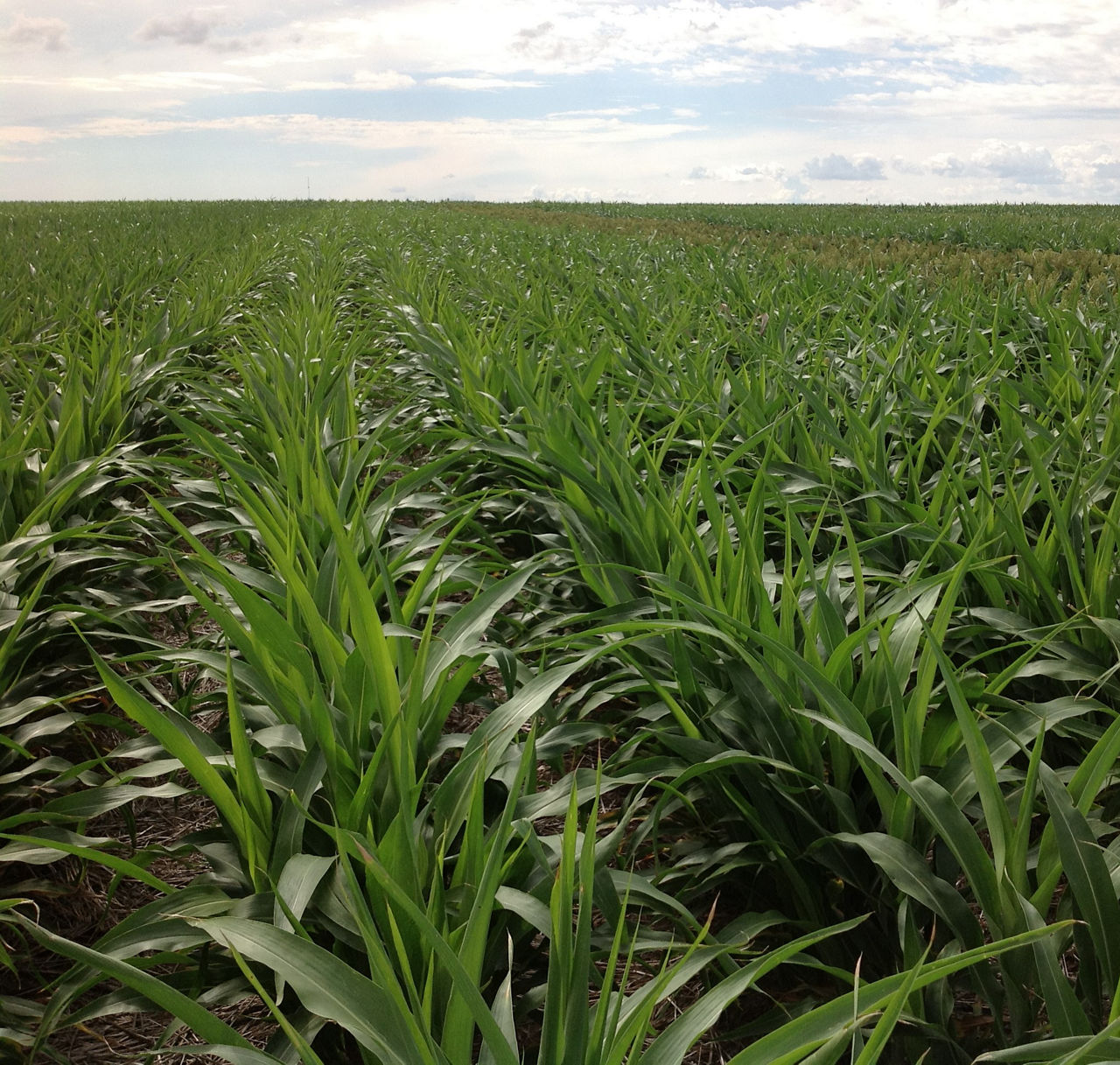
Effective weed management is essential for maximizing yield potential and profitability in grain sorghum production. However, the rise of herbicide-resistant weed populations presents a growing challenge for growers. To maintain control over these tough weeds, adopting strategic, integrated approaches is key.
What is Herbicide Resistance?
Herbicide resistance happens when weed populations survive herbicide treatments that previously controlled them effectively. There are two main types of resistance commonly seen in fields:
- Metabolic Resistance: This occurs when weeds develop the ability to detoxify or break down an herbicide before it can work. This happens through enhanced metabolic pathways, especially as weeds grow larger than about 4 inches tall.
- Target-Site Resistance: This is the most common form of true resistance and happens when the herbicide’s site of action—such as a specific enzyme or receptor—is altered in the weed. This change makes the herbicide ineffective regardless of the application rate or weed size.
Integrated Weed Management Strategies
The best way to combat herbicide-resistant weeds in grain sorghum is through an integrated weed management approach that combines several control methods:
- Cultural Practices: Techniques like crop rotation, cover cropping, and adjusting planting dates can help crops compete against weeds.
- Mechanical Control: Tillage and other mechanical methods reduce weed populations before planting. Cultivation after crop emergence can also be used if weeds escape pre-emergence herbicide applications.
- Chemical Control: Using herbicides with different sites of action is critical to slowing resistance development. For example, tank-mixing herbicides like Degree Xtra® Herbicide which contains acetochlor and atrazine active ingredients with a mesotrione product helps to improve control of broadleaf weeds such as Palmer amaranth and waterhemp—especially when applied before weeds emerge.
POST options are more limited but still important. According to United Sorghum Checkoff Program, applying POST herbicides like Huskie® FX Herbicide at the right growth stage (from the 3-leaf stage up to 30 inches tall) can provide effective control. Other POST herbicides like dicamba and 2,4-D can also be used, but timing is critical—typically after crop emergence but before the sorghum reaches 8 to 10 inches tall.1 Keep in mind that POST applications carry some risk of crop injury, and injury can be increased by certain adjuvants.
Always read and follow specific herbicide label directions carefully to ensure safe and effective use.
Source
1Bean, B. 2023. Postemergence weed control in sorghum. Agronomy Insights. United Sorghum Checkoff Program. https://www.sorghumcheckoff.com/agronomy-insights/postemergence-weed-control-in-sorghum-2/
Web site verified 9/29/25. 1110_683550
Disclaimer
ALWAYS READ AND FOLLOW GRAIN MARKETING AND ALL OTHER STEWARDSHIP PRACTICES AND PESTICIDE LABEL DIRECTIONS.