Bronze Wilt in Cotton
July 21, 2025
- Bronze wilt is a cotton malady characterized by bronze leaf discoloration and wilting that can lead to significant yield and fiber quality loss. The symptoms can be mistaken for other plant stresses.
- Bronze wilt seems to be associated with periods of high heat or drought followed by periods of heavy rain or over irrigation and nutrient imbalances.
- Management strategies include selecting cotton varieties that are not susceptible to bronze wilt, ensuring the crop has adequate fertility available, and irrigating according to crop needs.
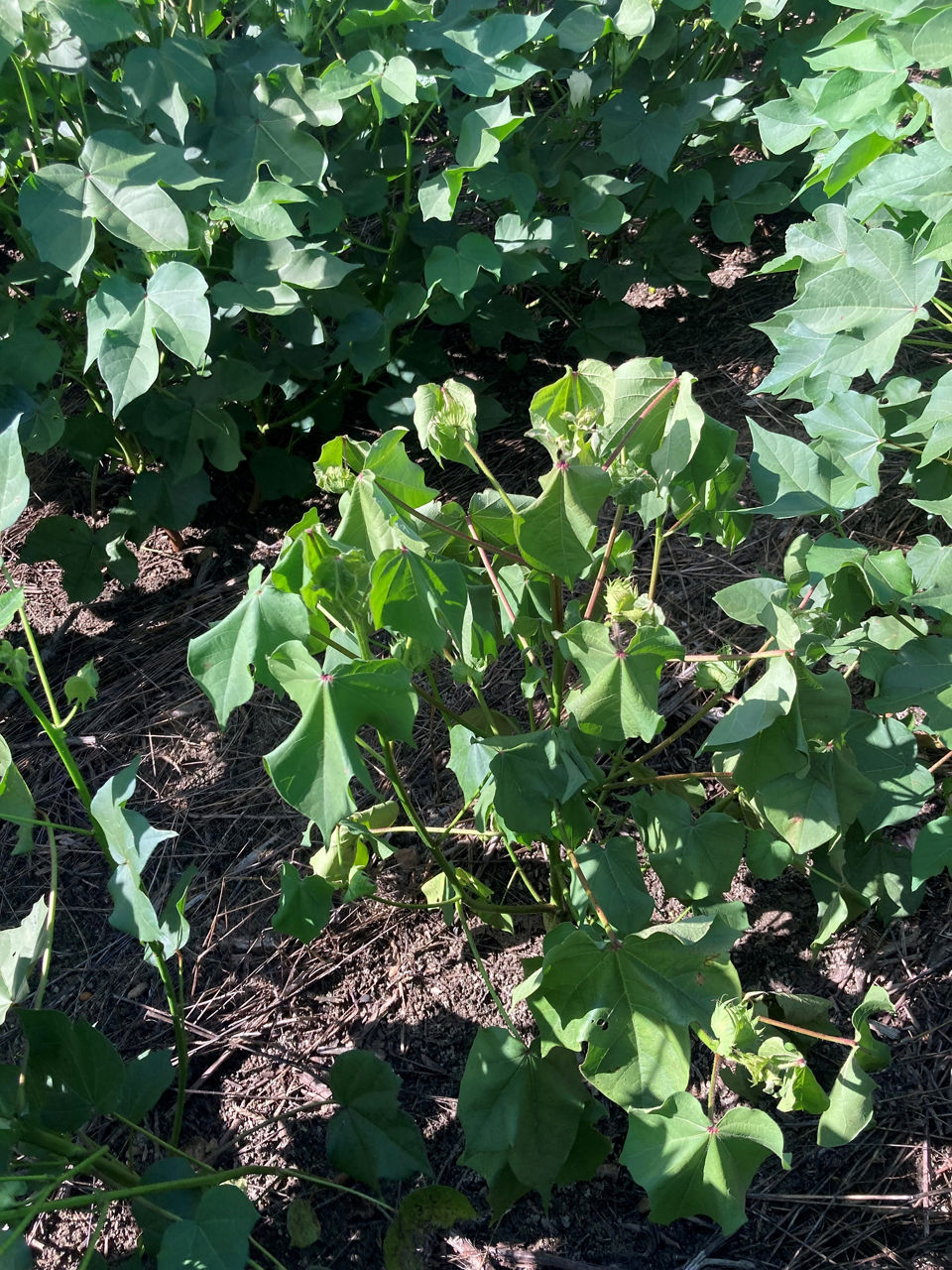
Bronze wilt first emerged as a concern for cotton growers in Mississippi and Louisiana in 1995 and quickly spread to Texas, Arkansas, Tennessee, and North Carolina the following year. By 1997, it was identified in Georgia and California. The disease led to devastating losses in 1998 across the Delta and Georgia.
Periodic outbreaks have occurred since then, resulting in substantial yield and fiber quality loss. Estimating the full impact of losses due to bronze wilt is difficult as symptoms may result from a disease complex and can resemble those of drought, nutrient deficiencies, or other soilborne diseases.1
Symptoms
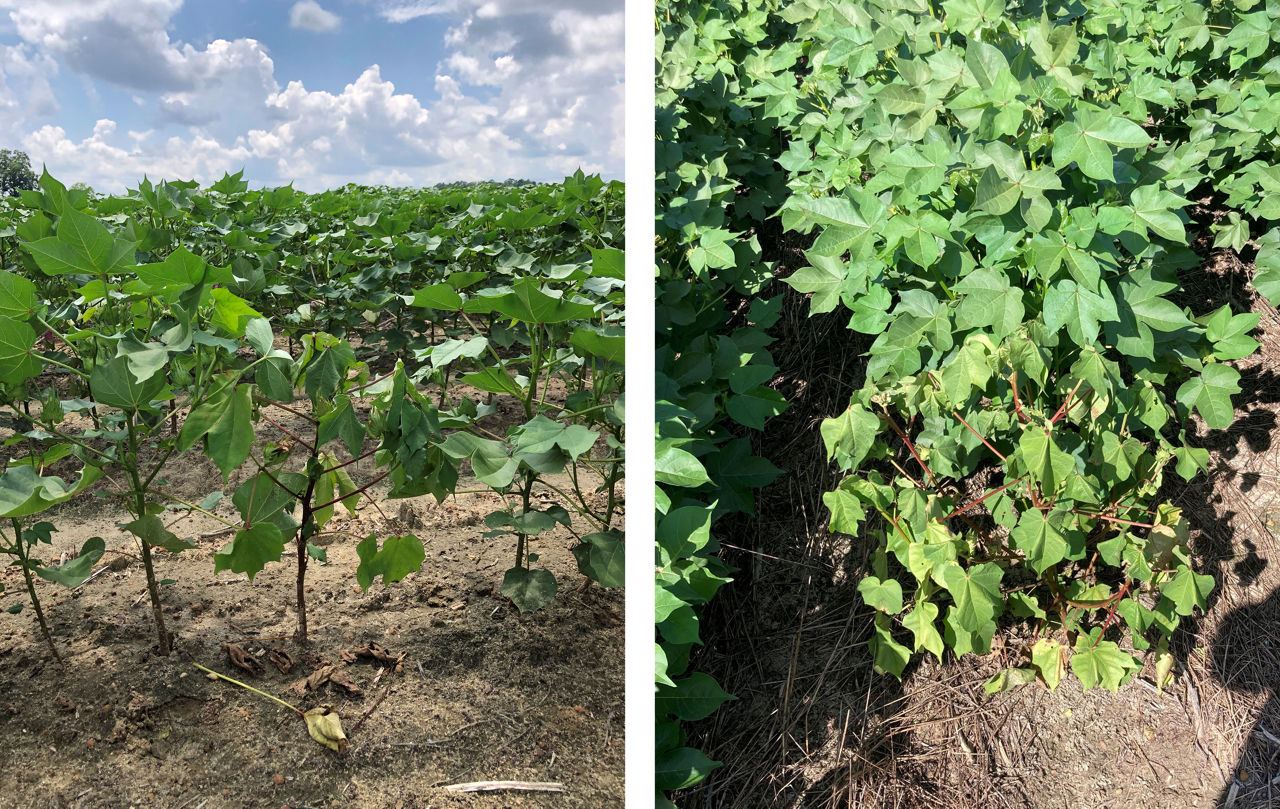
Bronze wilt is typically observed after plants begin to bloom but can be observed when cotton is young (8 to 12 nodes) or late-season (Figure 2).2 Early symptoms include bronze leaves that are wilted. Affected leaves will be noticeably hotter than asymptomatic leaves. If symptoms progress, the leaves and stem in the upper canopy may turn red and an atypical amount of fruit shed may occur. Continued progression results in plant chlorosis, stem necrosis, and plant death.1 Secondary roots may also become necrotic, impacting the ability of the plant to take up water and nutrients.3
Conditions Conducive to Disease Development
High temperatures and drought followed by heavy rain or overirrigation have been linked to the onset of bronze wilt symptoms.1 High light intensity and high temperatures, especially during June, may lead to bronze wilt symptoms. The percentage of plants symptomatic of bronze wilt may be related to the severity of the heat and drought stress experienced by the plants.2
Soils that are deficient in phosphorus, potassium, and sulfur or that have excessive nitrogen may be conducive to disease development.1 Bronze wilt has been observed in heavy clay or sandy soils and may occur more often in plants that have more bolls set on lower branches.2
Bronze wilt may be more likely to occur in fields planted with short season cotton varieties; however, fields planted with full season cotton varieties have also been affected.
Distinguishing Bronze Wilt From Other Causes
Bronze wilt has similar symptoms to several common soilborne diseases, nematode injury, nutrient deficiencies, and environmental conditions. However, there are differences that can be identified to help distinguish bronze wilt from other sources of plant stress.
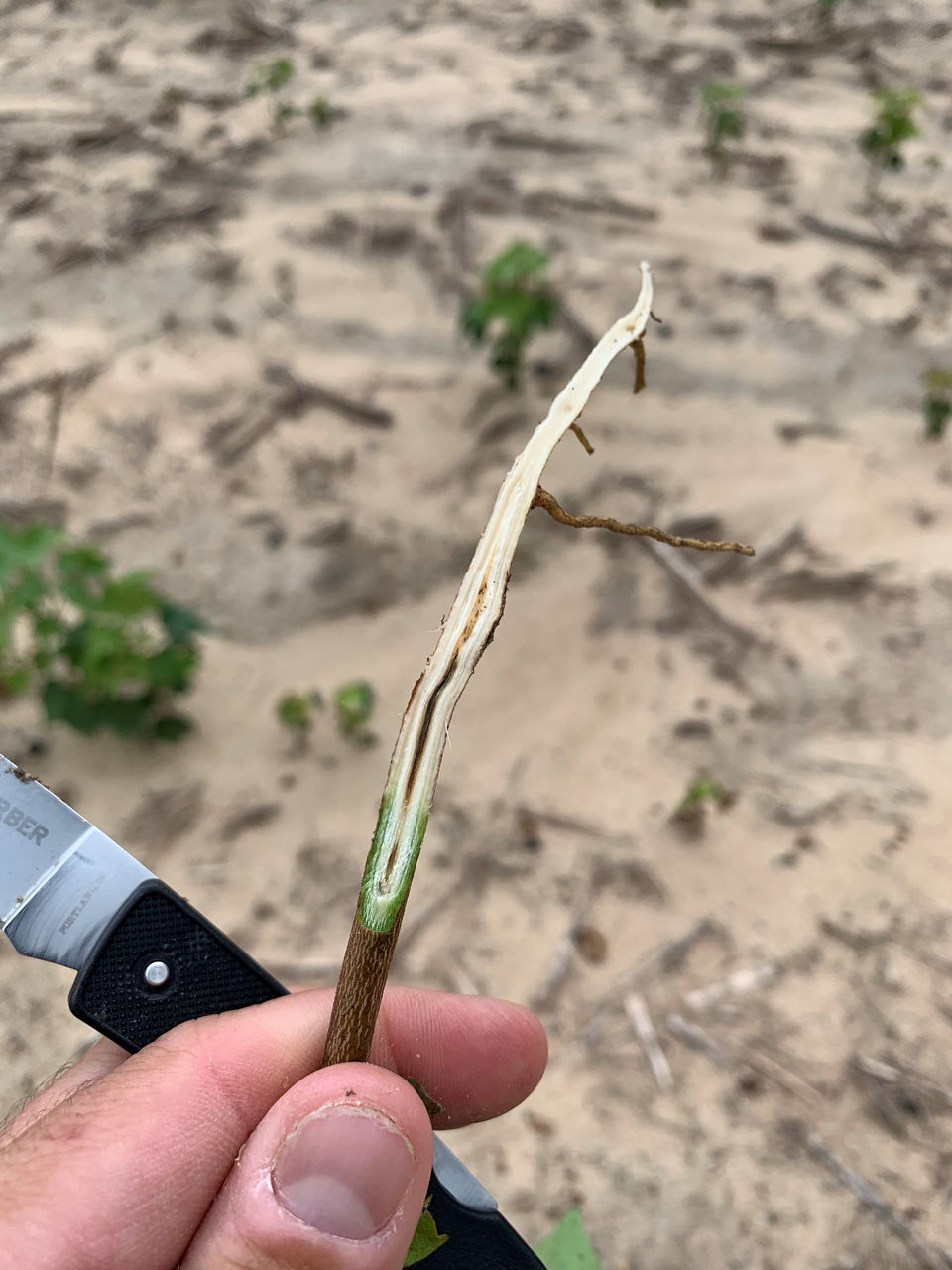
Disease. Soil pathogens that cause wilt like Fusarium, Verticillium, Macrophomia, and Phymatotrichum can be mistaken for bronze wilt. However, cotton plants with Fusarium or Verticillium wilts will have xylem discoloration (Figure 3), whereas plants with bronze wilt will not.1 Plants with Macrophomia or Phymatotrichum root rots will be easy to pull out of the ground due extensive rot and typically occur in circular patterns in fields.
It has been suggested that bronze wilt symptoms may be induced in susceptible varieties by cotton leafroll dwarf virus (CLRDV) under certain environmental conditions like high temperatures and drought. Data indicates that it is possible CLRDV has been present, though undetected, in the Cotton Belt since at least 2006. More research is necessary to confirm this hypothesis.4
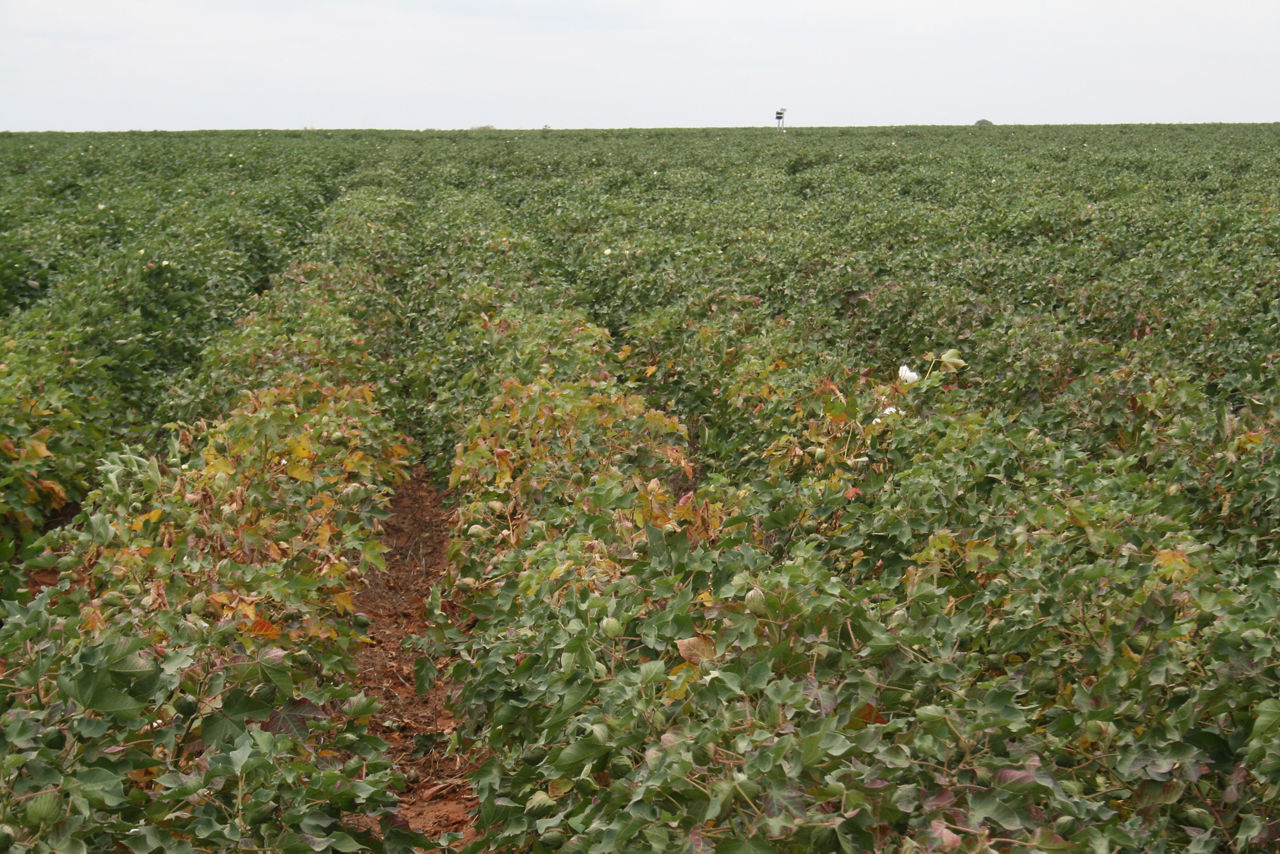
Nematodes. Injury from nematodes like root-knot, reniform, stunt, or lance nematodes can lead to discolored leaves and wilt due to root pruning and the inability of plants to take up water and nutrients. Nematode injury often occurs in areas of a field and not randomly (Figure 4) and can be confirmed through soil sampling.
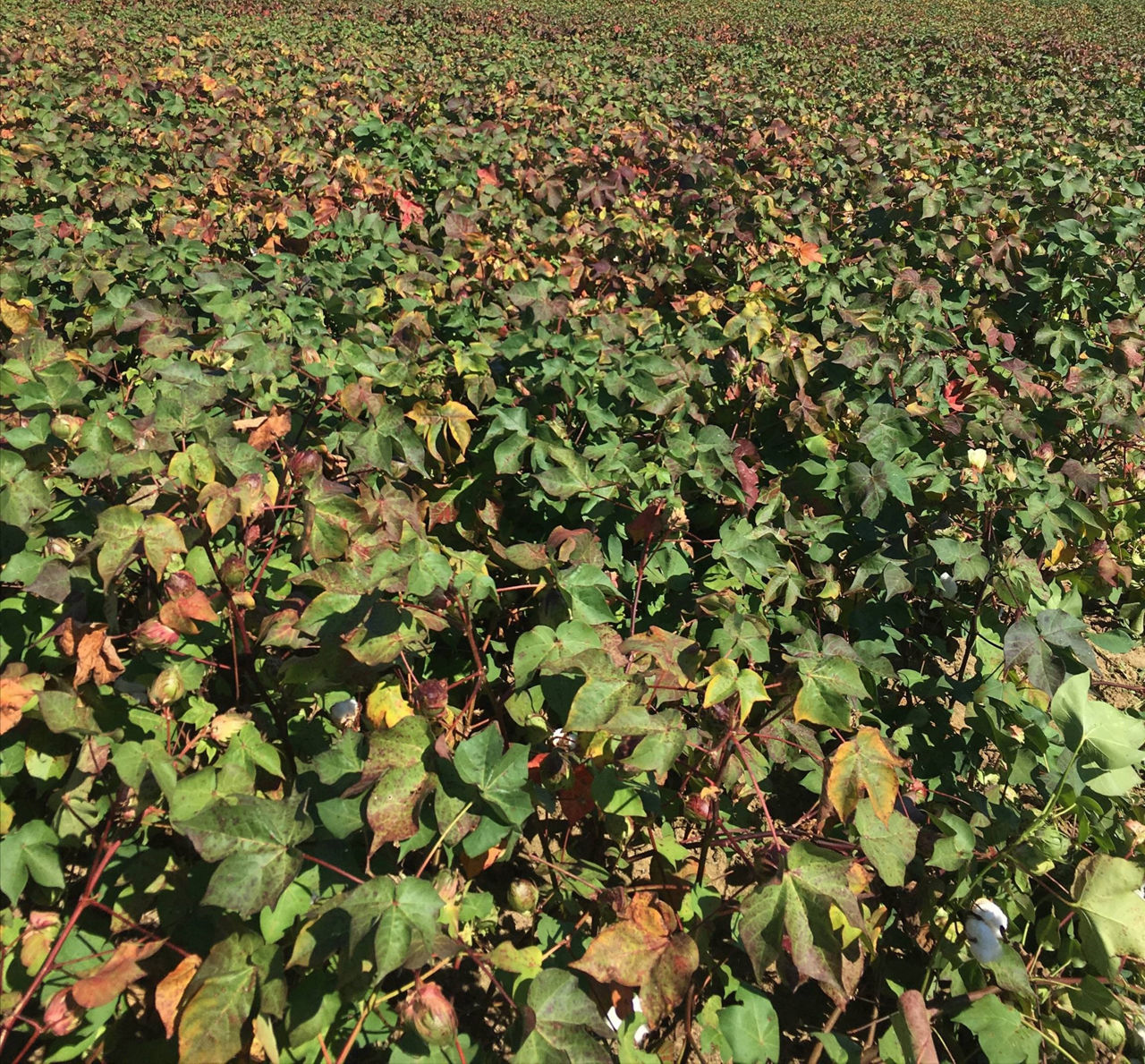
Nutrient Deficiencies. Late-season cotton plants approaching cutout that are infected with bronze wilt may appear similar to plants that are potassium deficient or beginning leaf senescence. Fields that are deficient in potassium will have more uniform symptoms across the field (Figure 5), instead of the individual affected plants throughout a field that is indicative of bronze wilt.2
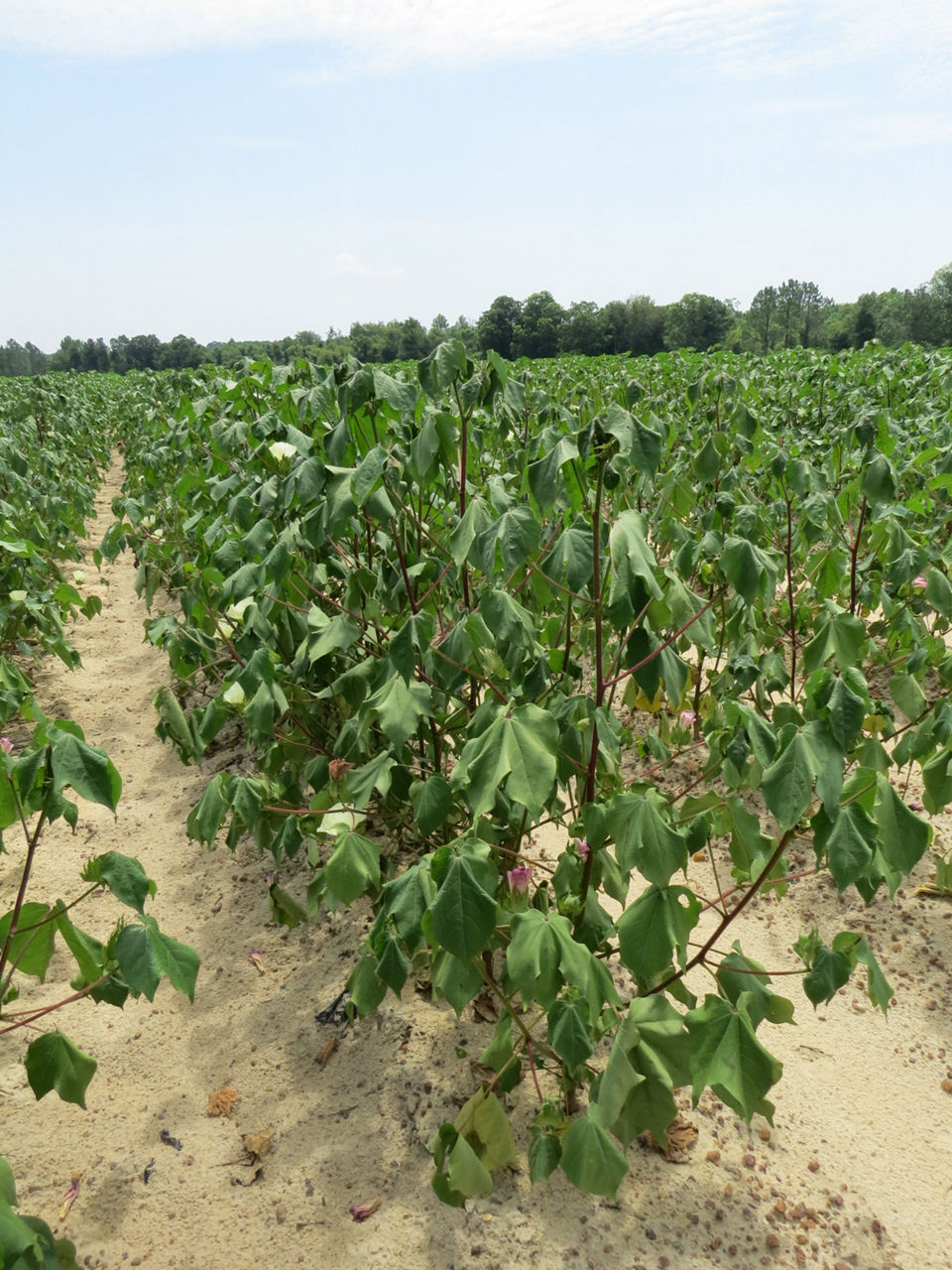
Environmental. Drought and extended high temperatures can cause plants to wilt, but this would be across the field or in an area where moisture is limited (Figure 6).
If wilted plants with a bronze or reddish color are found randomly in a field and the lower stem and upper taproot of the affected plants appear heathy, then bronze wilt is likely the cause.
Management
Product selection. Avoid selecting cotton varieties that have susceptibility to bronze wilt. This is the most straightforward management practice to avoid potential yield and quality losses attributed to bronze wilt. The Bayer germplasm pipeline is actively screened to help prevent material that has the potential for bronze wilt susceptibility from becoming commercially available.
Field selection. If possible, plant in fields with medium-textured soils with good drainage. This can help avoid water availability extremes that are more common in heavy clay and sandy soils.1
Plant early. Earlier planting can help avoid high temperatures at emergence that may be linked to early symptom onset and help avoid high temperatures coinciding with fruiting.1,2
Fertility. Ensure adequate availability of phosphorus, potassium, and sulfur to help reduce bronze wilt severity. Results on the impact of high N availability have been inconclusive in some studies. Overapplication of N has been observed to increase the effects of bronze wilt in some studies, but this had no impact in other studies.1,3 Applying fertilizer according to crop needs, regardless of the specific nutrient, reduces potential stress for the crop and susceptibility to disease.
Irrigation. Apply according to plant needs and avoid drought stress. Avoid overirrigating after a period of drought.1,2
Cultural practices can help lessen the impacts of bronze wilt, but susceptible varieties can still sustain substantial losses.
Bronze wilt is a challenging problem for cotton growers, capable of causing substantial yield and fiber quality losses. While symptoms can mimic other seasonal stressors, careful observation of distribution in the field and vascular tissue can help confirm its presence. Starting the season with a cotton product that is not susceptible to bronze wilt is crucial for mitigating bronze wilt risk to the crop.
Sources
1Bell, A.A., Nichols, R.L., Albers, D., Baird, R., Brown, S., Colyer, P., El-Zik, K., Gwathmey, C.O., Lemon, R., Newman, M., Phipps, B.J., and Oosterhuis, D.M. Bronze wilt of cotton. Texas A&M AgriLIFE Extension. L-5412. https://oaktrust.library.tamu.edu/server/api/core/bitstreams/945e4b47-4b85-427c-aacb-5c4237b3219f/content/
2Albers, D.W. and Guthrie, D. 2001. Field incidence and description of bronze wilt symptoms. National Cotton Council. Proceedings of the Beltwide Cotton Conference. Vol. 1: 104-105. https://www.cotton.org/beltwide/proceedings/getPDF.cfm?year=2001&paper=054.pdf
3Gwathmay, C.O., Newman, M.A., Canaday, C.H. 2008. Does N or K nutrition affect bronze wilt in field-grown cotton? Plant Health Progress. https://apsjournals.apsnet.org/doi/pdf/10.1094/PHP-2008-1117-01-RS
4Olmedo-Velarde, A., Shakhzadyan, H., Rethwisch, M., West-Ortiz, M., Waisen, P., and Heck, M. 2025. Data mining redefines the timeline and geographic spread of cotton leafroll dwarf virus. Plant Disease. 109(5). https://apsjournals.apsnet.org/doi/abs/10.1094/PDIS-06-24-1265-SC/
Web sources verified 7/16/25. 1411_605851
Disclaimer
ALWAYS READ AND FOLLOW GRAIN MARKETING AND ALL OTHER STEWARDSHIP PRACTICES AND PESTICIDE LABEL DIRECTIONS.