17 MIN READ

Identification of Cotton Diseases

March 23, 2021

basket-icon

Get Year-Round Updates From Our Agronomic Experts


Reducing the impact of disease throughout the season begins with crop management planning. Understanding the disease history of the field can help with variety selection and crop rotation. Including a seed treatment can help provide broad-spectrum protection for cotton seedings. Fields that are under conservation tillage can be slower to warm up and more prone to overwintering pathogens. Plant when soil temperatures are above 65°F at a 4-inch depth, with a favorable 5-day weather forecast and do not plant seeds too deep. A depth of 0.5 inches is ideal under good growing conditions. Scouting for disease should begin early and coincide with insect scouting. Solid management decisions are based on knowing what and how many pests are present.

Mid- to late-season cotton diseases occur when a crop is under stress. Stress can come from all directions—too dry, too wet, insects, storms, fertility, rank growth, and others all play a part in the health of a crop. Mitigating conditions conducive for disease development and understanding if and when a fungicide application is necessary is important to help maximize yield potential.

Wilt diseases can be difficult to diagnose and manage, but proper fertility management, crop rotation to corn or soybean, use of nematicides, and cotton variety selection can help reduce yield losses from wilt diseases.

Nematode damage has historically been attributed to poor fertility or poor soil conditions. Over time, a better understanding has led to identification of nematodes and the yield losses they can cause. Nematodes reduce cotton vigor by injuring roots, which limits root growth, leaving cotton plants susceptible to environmental stress, insect damage, and diseases. Cultural and chemical control can help reduce the impact of nematodes on cotton yield potential.


Click the tabs below to indentify cotton diseases that may impact cotton crops.

Seedling Diseases
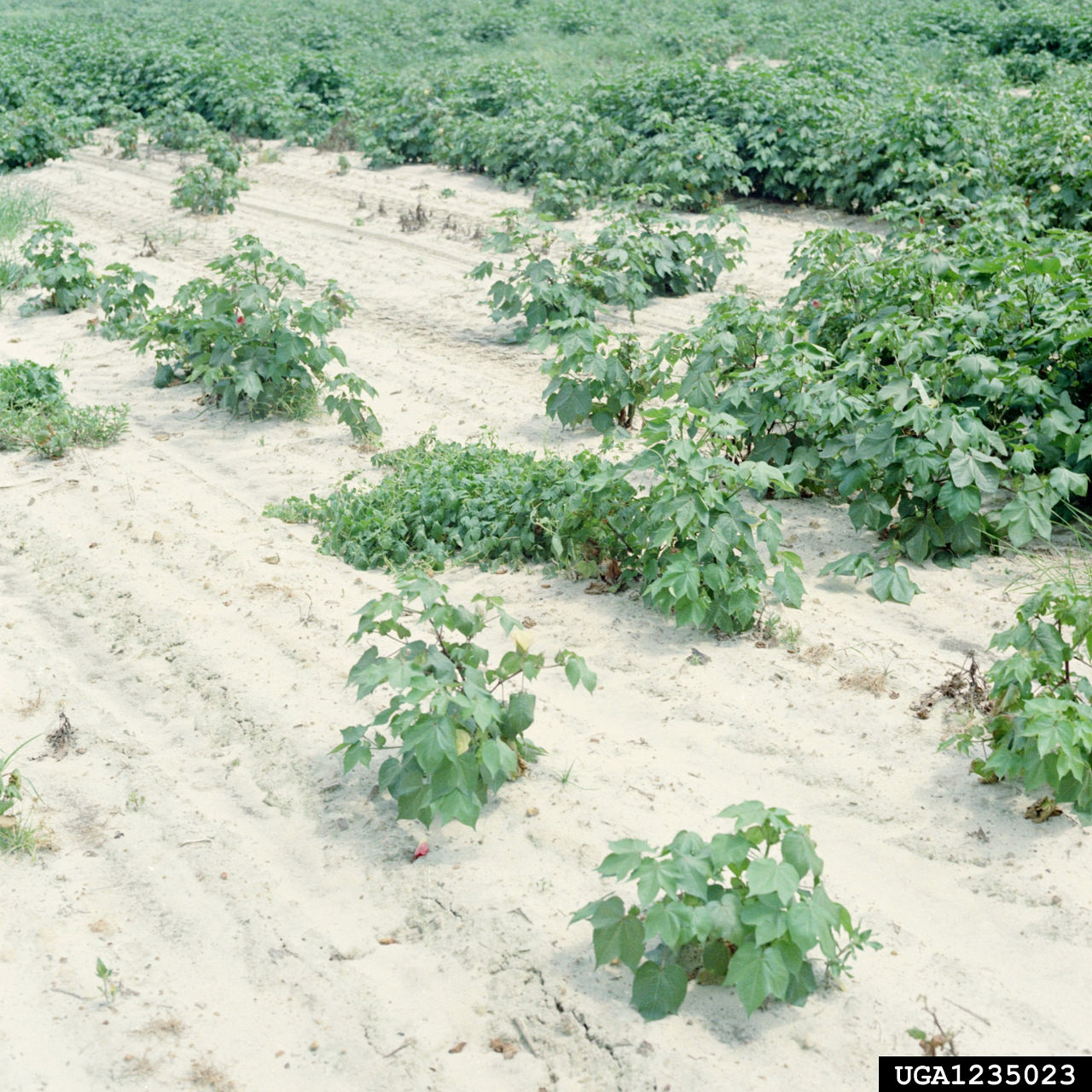
Scientific Name: Rihizoctonia solani

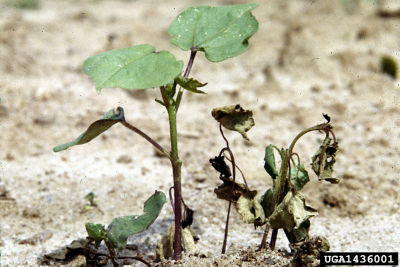
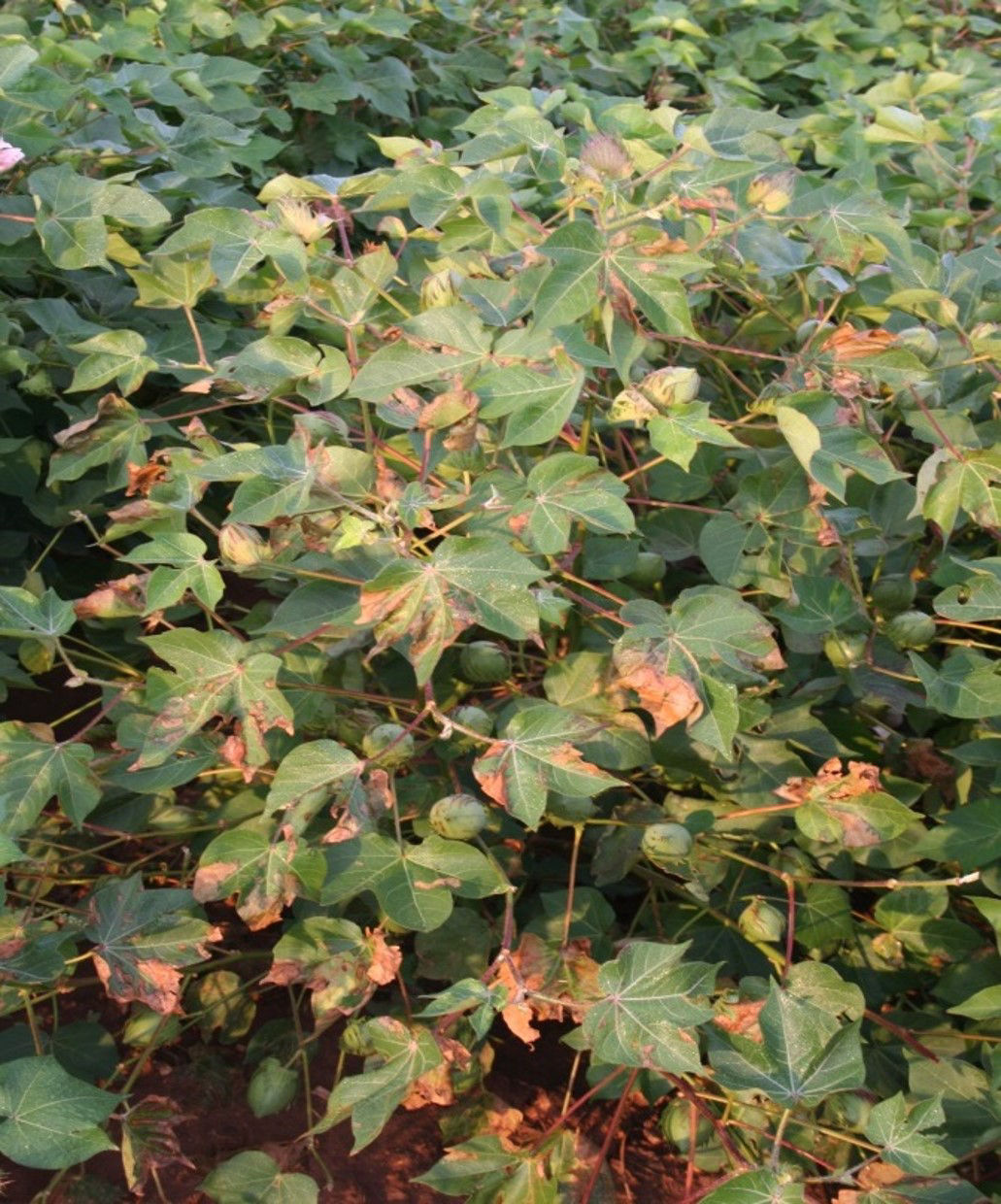
Figure 1. Damping-off and rot caused by Rhizoctonia.
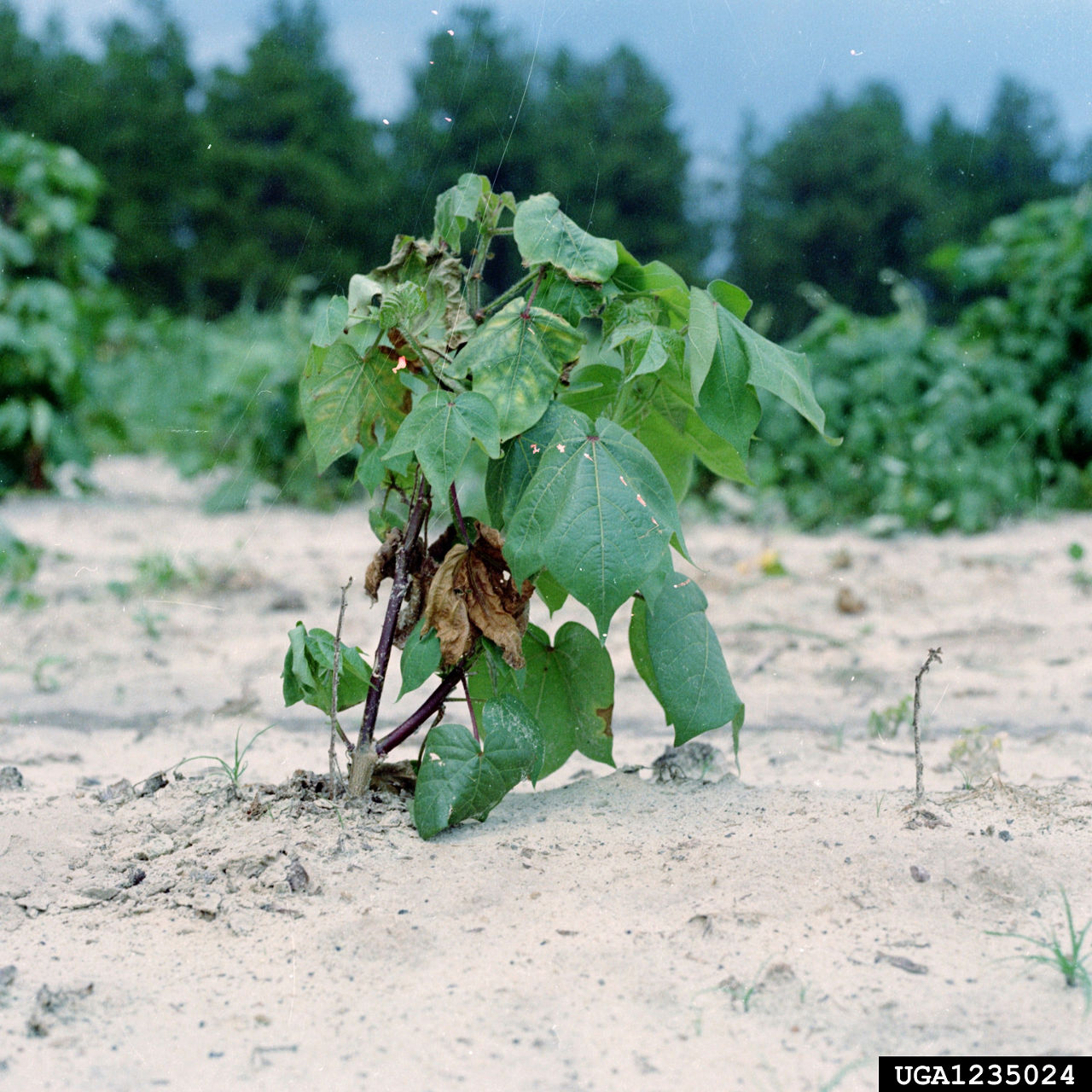
Figure 2. Blight and stunting caused by Rhizoctonia. Photo courtesy of Clemson University – USDA Cooperative Extension Slide Series, Bugwood.org.

Identification:

  • Reddish-brown lesions that girdle the stem at the soil line (Figure 1).
  • Stem may be weakened at the lesion site and plant growth may be stunted (Figure 2).

  • Plants are particularly susceptible if they have been injured by sand blasting.

  • More commonly found in sandier and well-drained soils.1

  • Can be found in either wet or dry soils with warmer soil temperatures.

Management:

  • Several fungicides are effective against Rhizoctonia: PCNB, iprodione, azoxystrobin, and pyraclostrobin.1

Range:

  • Found across cotton-growing areas.


Scientific Name: Pythium spp.

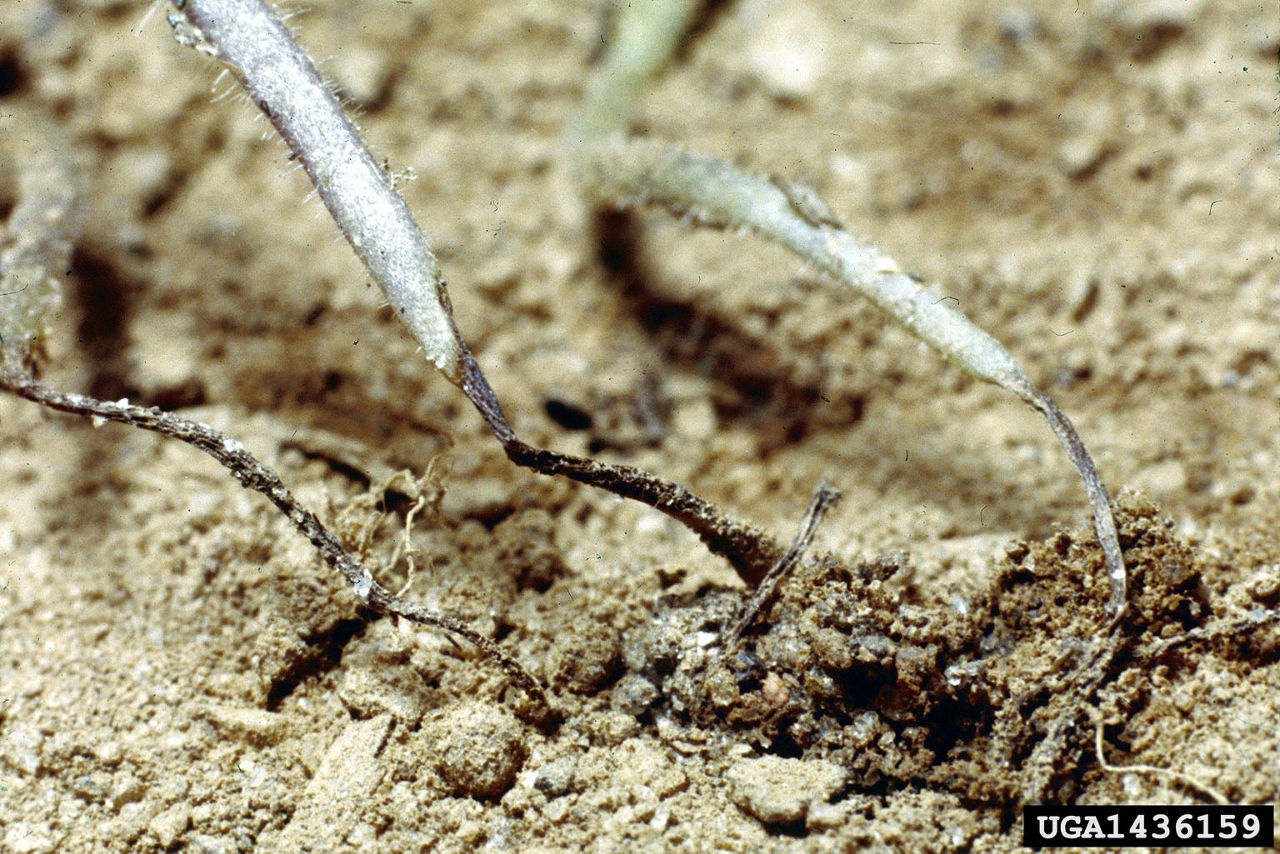
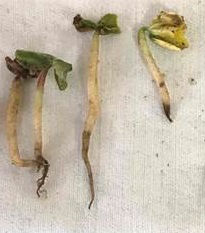
Figure 3. Seedlings infected with Pythium spp. Photo courtesy of Clemson University – USDA Cooperative Extension Slide Series, Bugwood.org.

Identification:

  • Typically has a water-soaked, almost translucent lesion at the soil line.

  • Can have a peeled back outer root layer creating a ‘wire root’ appearance (Figure 3).

  • Saturated soils favor the spread of this water mold.1

Management:

  • Mefenoxam or etridiazole fungicides can be effective to control Pythium.1

Range:

  • Found across cotton-growing areas.


Scientific Name: Thielaviopsis basicola

Identification:

  • Causes wilted plants even in adequate soil moisture.

  • Plants may be stunted with interveinal chlorosis in the leaves.

  • Vascular tissue inside the stem may be brown and damaged, limiting soil moisture and nutrient uptake.

  • May be found in conjunction with root-knot nematode infestations (except Race 4), as nematodes can injure young roots and increase the severity of disease.2

Management:

  • Seed-applied fungicides can help control Fusarium.

Range:

  • Found across cotton-growing areas.


Scientific Name: Thielaviopsis basicola

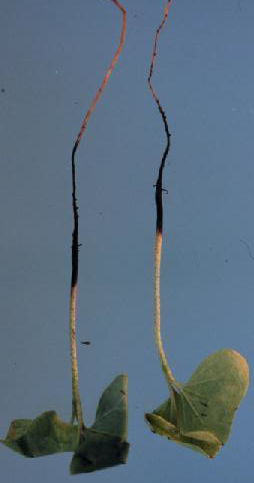
Figure 4. Symptoms caused by Thielaviopsis basicola. Photo courtesy of Thomas Isakeit, Texas A&M University.

Identification:

  • Tap root and exterior of the hypocotyl turn black (Figure 4).

  • Typically, does not cause plant death, but can kill lateral roots, stunt plants, and delay flowering.

  • Occurs more often in clay soils and cool, wet conditions.3,4

Management:

  • Wait to plant until soil temperatures have warmed.

  • Use seed treatments that include triadimenol or myclobutanil.5

Range:

  • More commonly found in Texas, Mississippi, New Mexico, and the San Joaquin Valley of California.


Foliar Diseases

Scientific Name: Ascochyta gossypii syn. Phoma exigua

Ascochyta blight on cotyledons of cotton seedlings.
Ascochyta Blight
Ascochyta blight lesions on cotton leaf

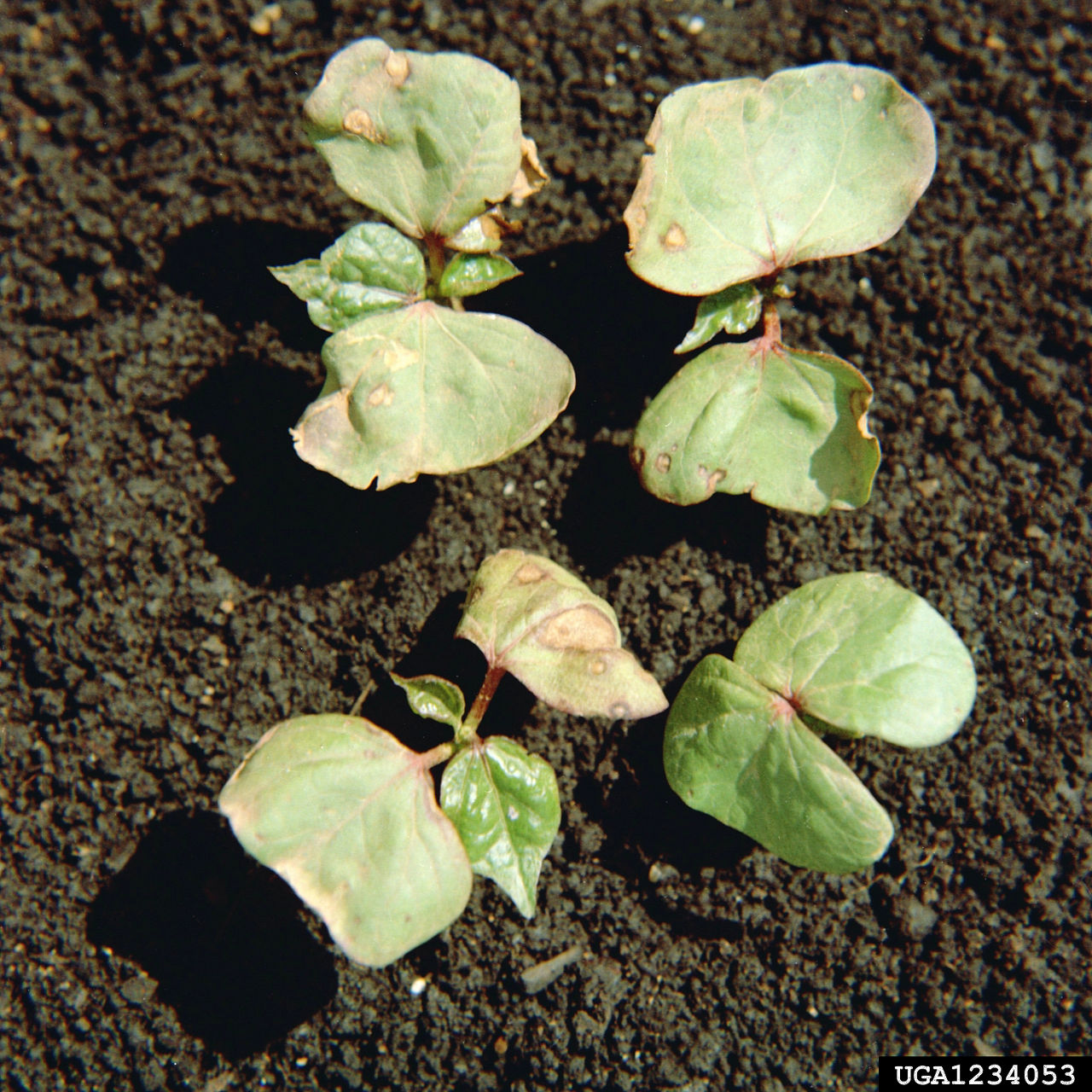
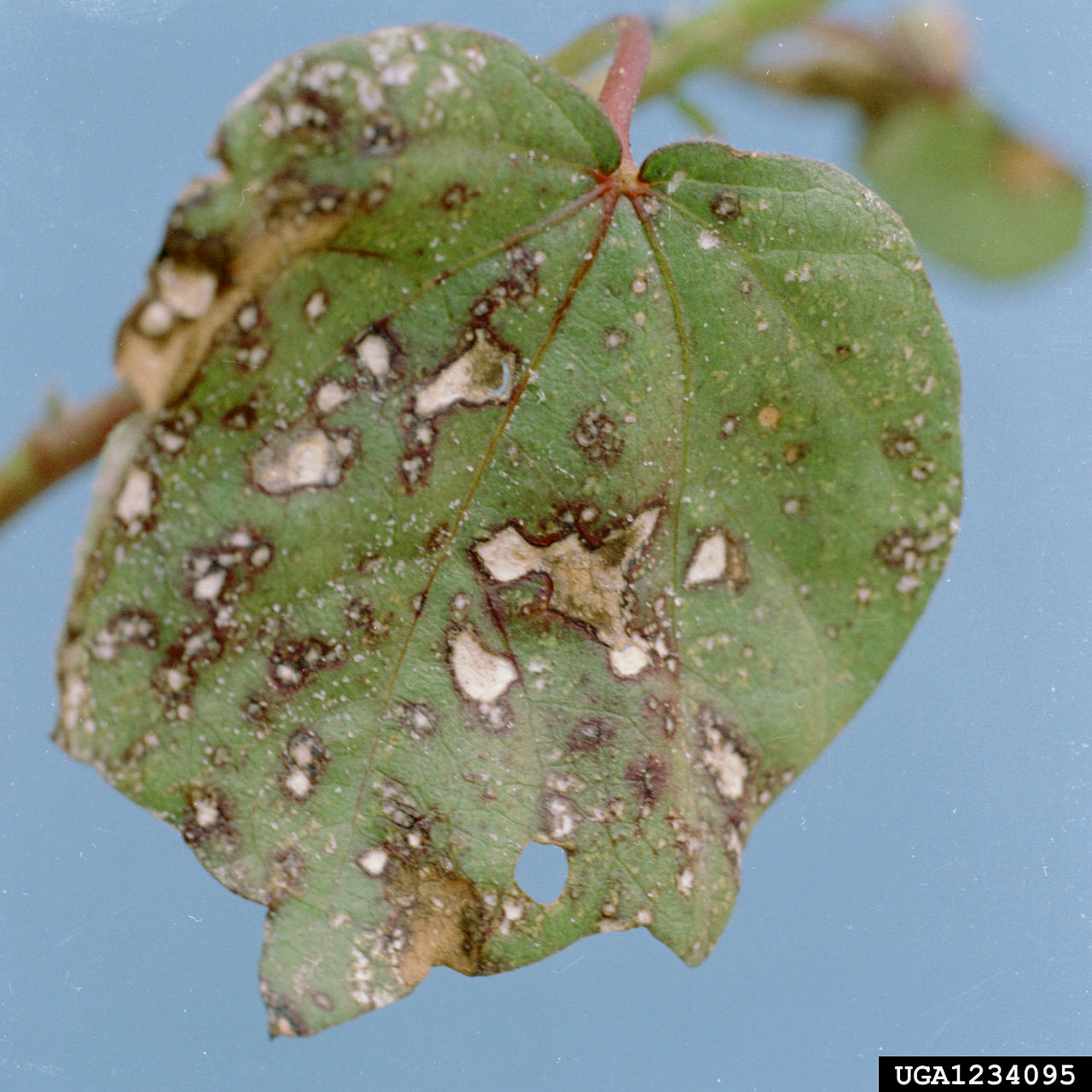
Figure 5 a, b, c. Ascochyta blight on cotyledons (a) and leaves (b, c). Photos courtesy of Clemson University - USDA Cooperative Extension Slide Series, Bugwood.org.


Identification:

  • Lesions can develop on cotyledons, leaves, stems, and bolls.

  • Cotyledons may turn brown and die prematurely (Figure 5 a).

  • Lesions on leaves are round and white to light brown with dark margins (Figures 5 b, c).

  • Stem cankers are reddish-purple to black or gray in color.

  • Extended cloudy, cool, and wet conditions are conducive for disease development.6

  • Disease is usually sporadic, and plants may recover once warm, dry weather returns.1

  • Symptoms may sometimes resemble target spot, but Aschochyta blight usually occurs earlier in the growing season.6

Management:

  • Fungicides can be effective at controlling this disease, but application is rarely warranted.2

Range and Potential Yield Loss:

  • This disease has been observed in most major cotton-growing areas.

  • Ascochyta blight infection generally does not impact yield potential. However, young cotton can be more severely affected, especially with extended cloudy and cool weather.6


Scientific Name: Corynespora cassiicola

Cotton leaf with lesions from target spot.
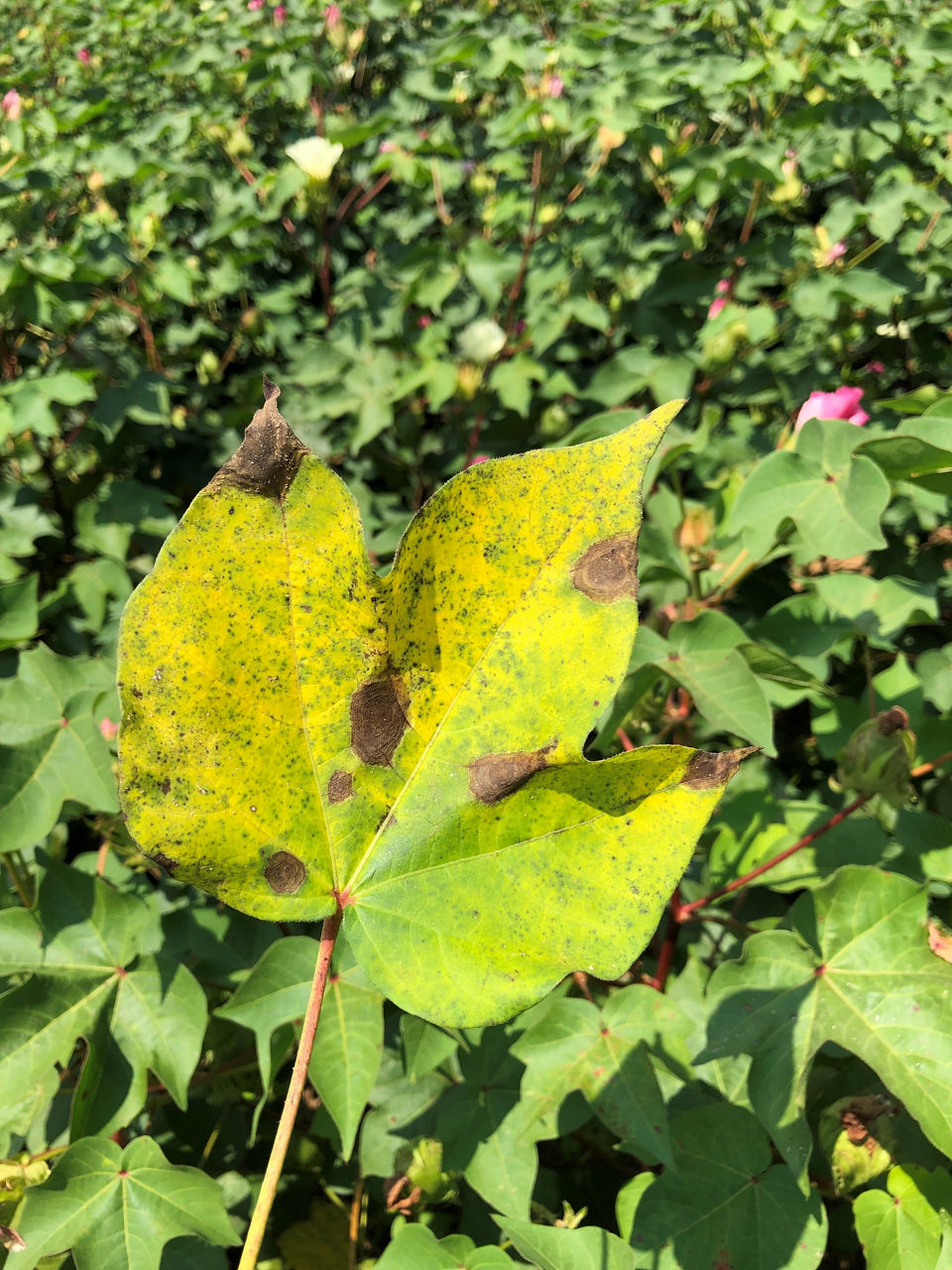
Figure 6. Target spot lesions with concentric circles.

Identification:

  • Often occurs after extended periods of leaf wetness.

  • Lesions are marble-sized with concentric rings (Figure 6).

  • Infection typically begins on lower leaves as water splashes from infected debris on the soil to lower leaves on the plant.

  • Infection can quickly move upward and result in substantial premature defoliation. Lesions may also appear on bolls and boll bracts.2

  • Target spot can be differentiated from Alternaria and Stemphylium because target spot lesions lack a dark margin and premature defoliation first occurs in the interior of the canopy and at the bottom of the plant.7

Management:

  • Rank growth contributes to infection. Controlling growth with a timely plant growth regulator application and irrigation scheduling is recommended.

  • A fungicide application can help reduce infection and subsequent premature defoliation. Maximum control has been observed when strobilurin fungicides are applied between the first and third weeks of bloom. A second application should be considered if infection continues to spread three weeks after the initial fungicide application. Yield response to fungicide application for target spot can be extremely variable. There can be as little as no yield advantage observed to as much as 200 lb/acre.2

Range and Potential Yield Loss:

  • Target spot is commonly found in Georgia, Florida, and Alabama, and can also be found in other parts of the Southeast and Midsouth.

  • Defoliation of lower leaves is not likely to negatively impact yield potential and may help increase airflow within the canopy.

  • Defoliation in the middle of the plant can cause boll abortion.6

  • Infection at the top of the plant can lead to arrested boll development and unharvestable bolls.7


Scientific Name: Xanthomonas citri pv. Malvacearum

Cotton Bacterial Blight Angular Lesions
Cotton Bacterial Blight Canopy
Cotton Bacterial Blight Boll Lesion

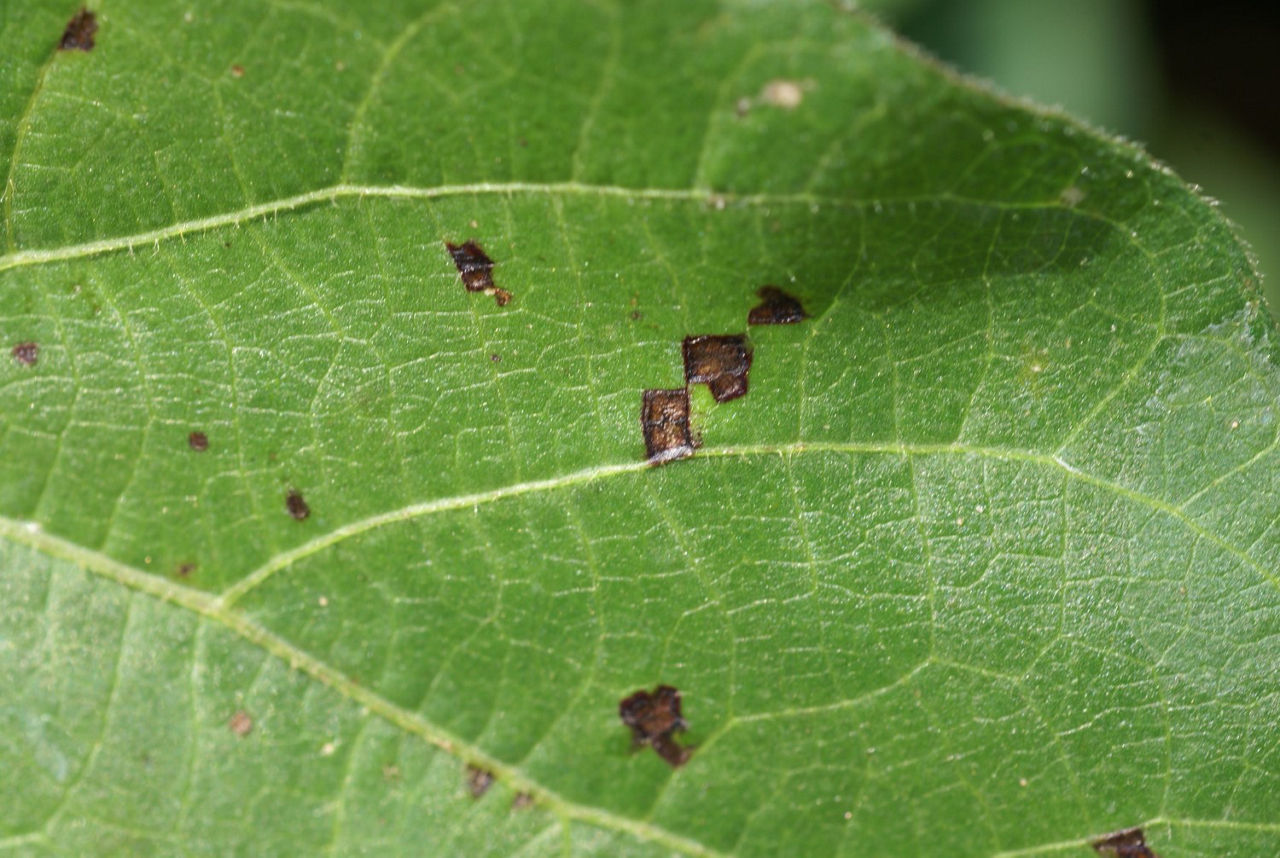
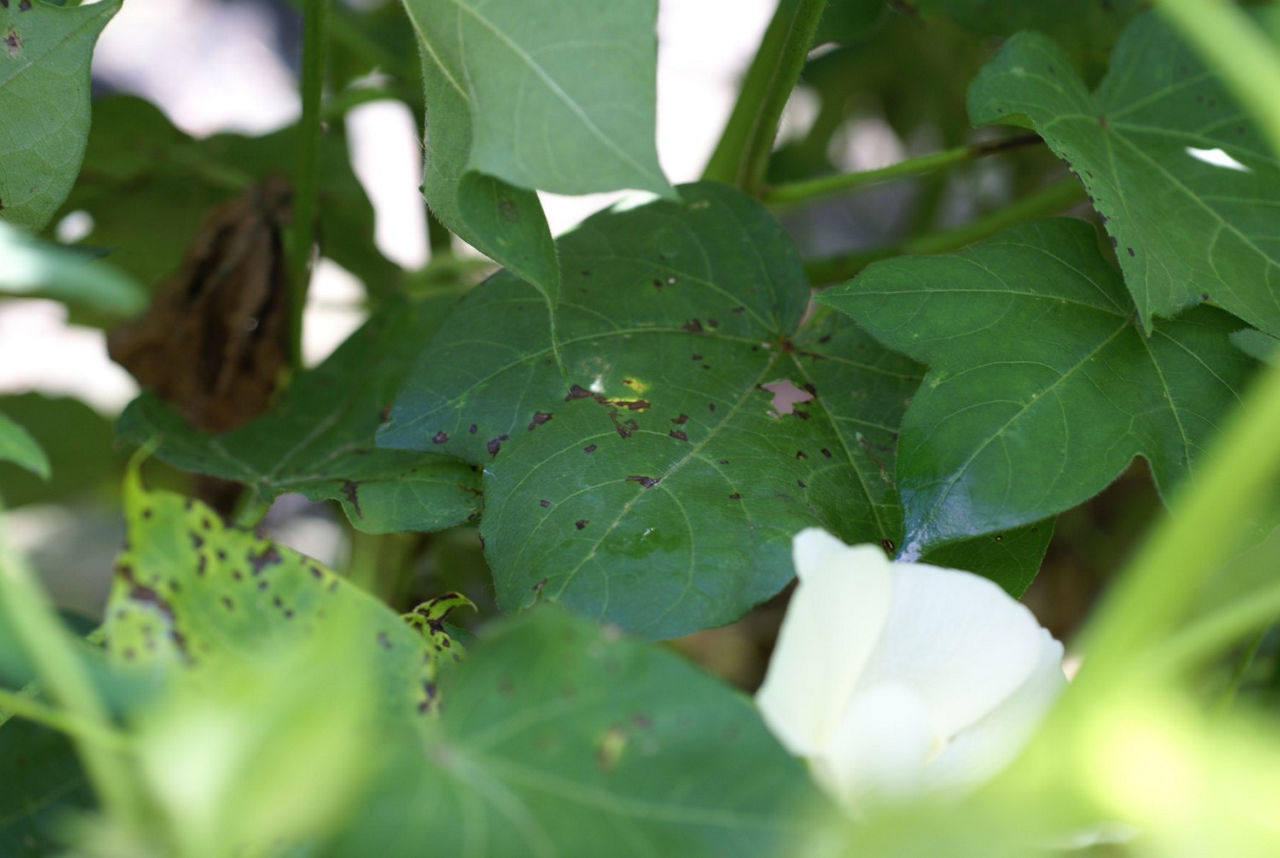
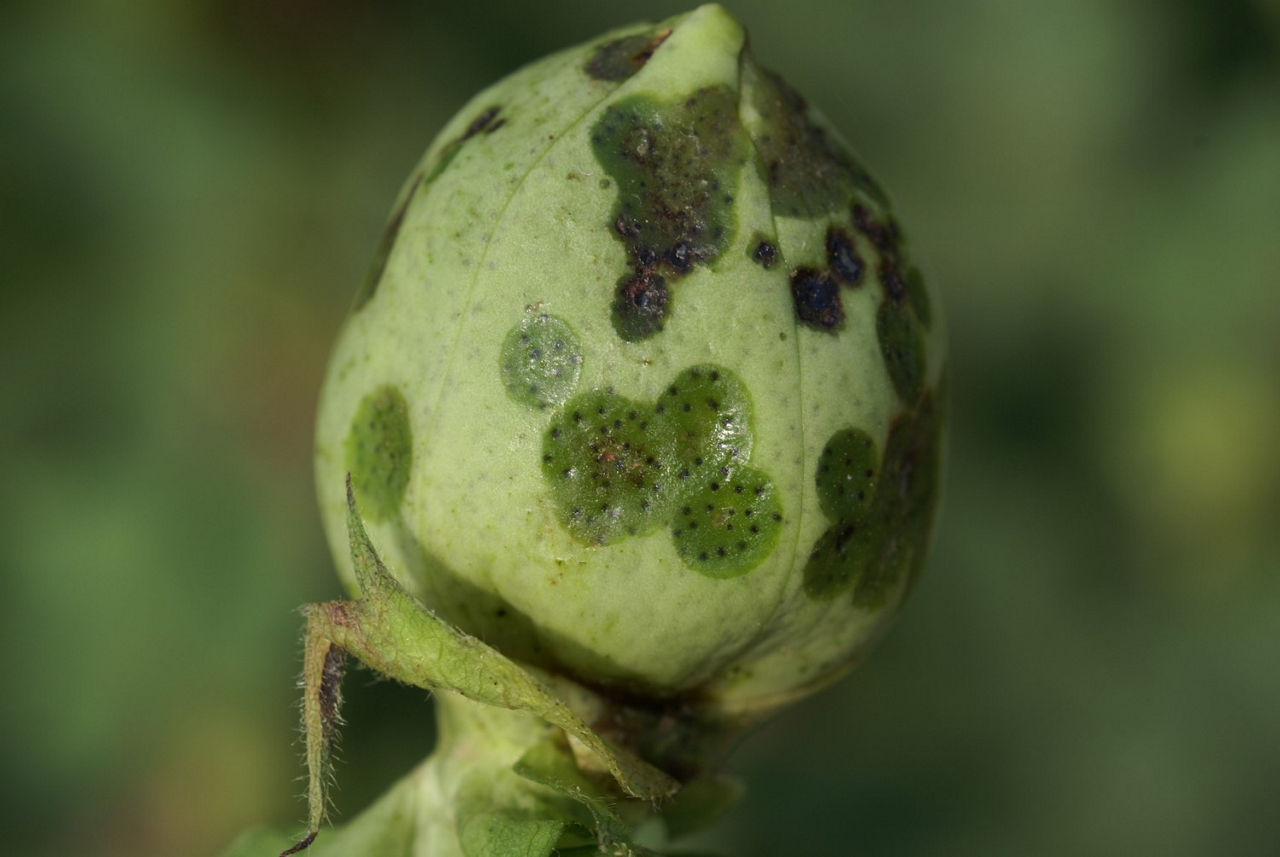
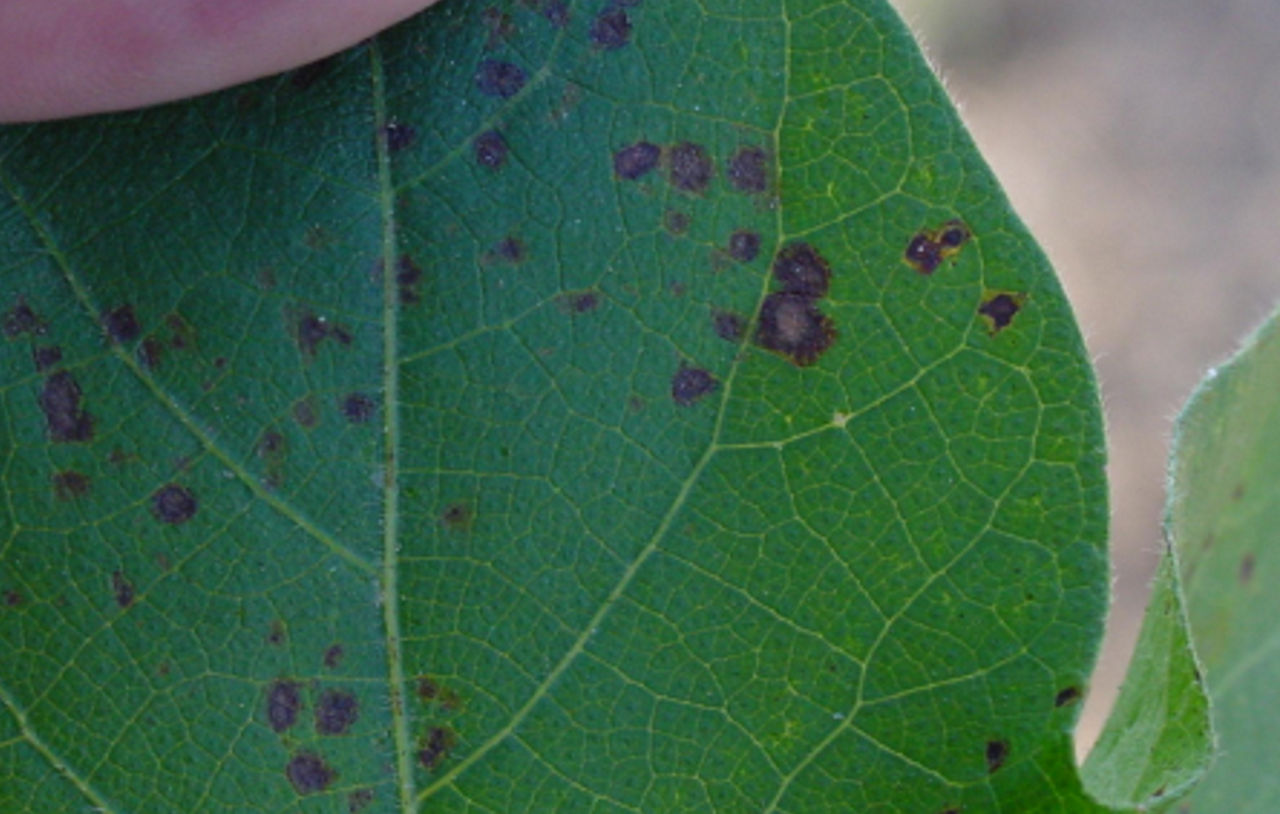
Figure 7 a, b, c. Bacterial blight lesions defined by leaf veins (a, b) and sunken lesions produced on a boll (c).


Identification:

  • Occurs more often after prolonged rainfall.

  • Symptoms begin as small, water-soaked spots and progress into lesions that are defined by the veins of the leaf, giving an angular appearance (Figure 7 a, b).

  • Lesions eventually become black and can lead to premature defoliation.

  • Infected bolls can form sunken, water-soaked lesions and rot (Figure 7 c).2

  • Lesions are often darker than other cotton foliar diseases but can also have a “shot-hole” appearance.6

  • Boll lesions may be hidden by the bract or the calyx, attached at the base of the boll, near the peduncle.2

Management:

  • This disease is caused by a bacterial pathogen, so fungicide application is not an effective means of control.2

  • The pathogen can easily survive in infected crop residue, so destruction of residue, use of clean equipment, and crop rotation are recommended as management tools.

  • The most effective means for management is planting a resistant variety.

Range:

  • Bacterial blight has been observed across cotton-growing areas.


Scientific Name: Alternaria macrospora

Alternaria Leaf Spot in Cotton
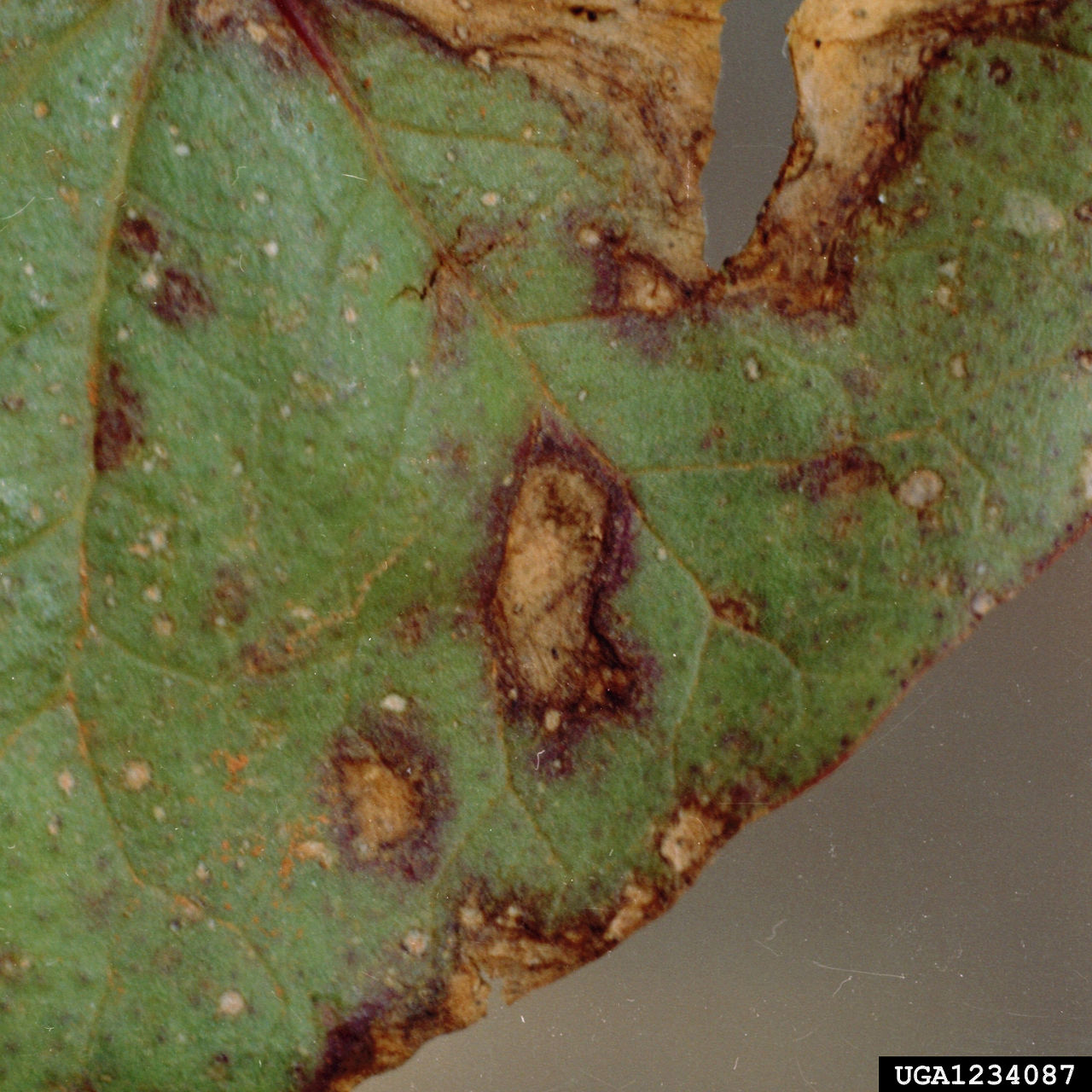
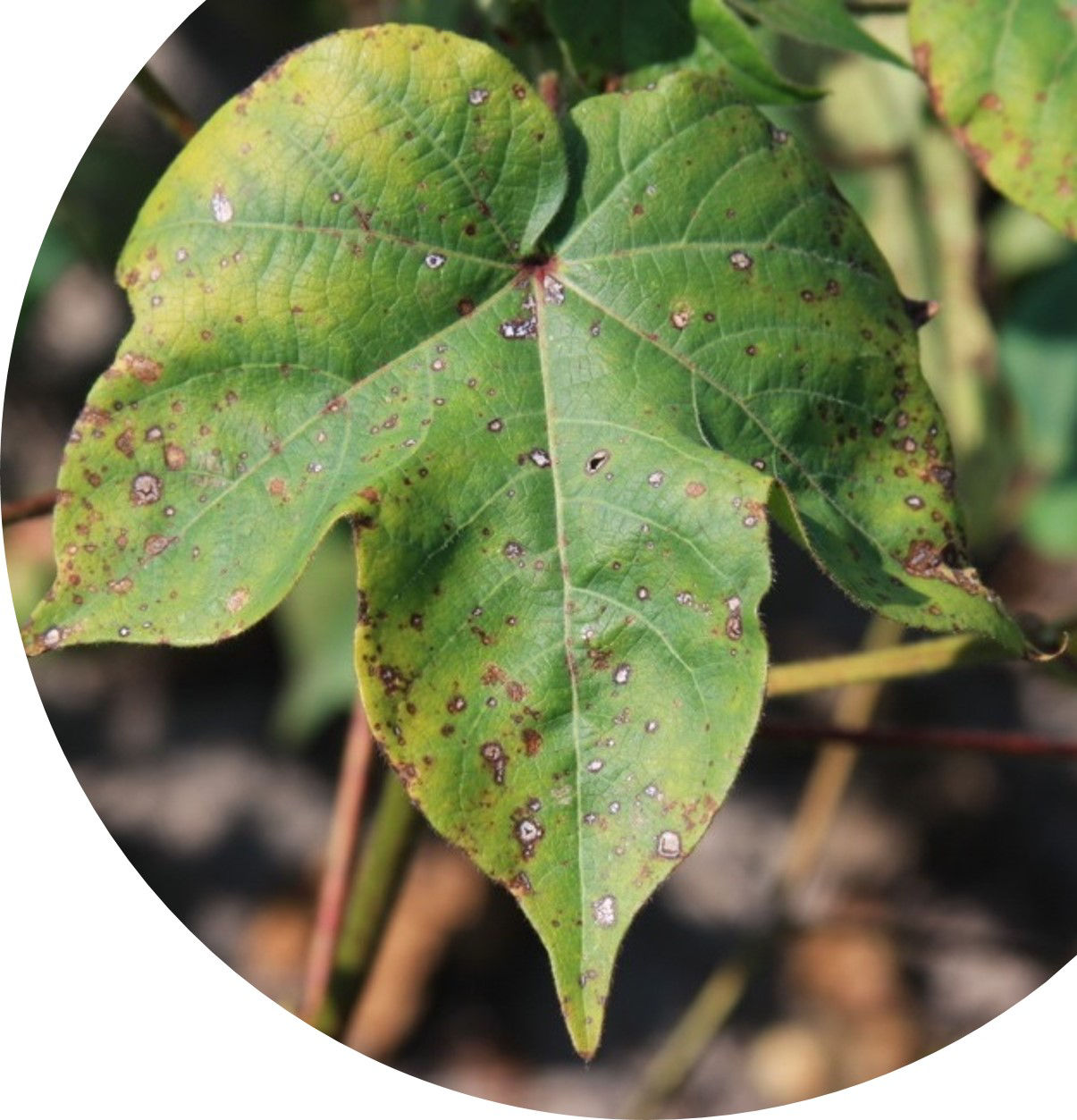
Figure 8. Alternaria leaf spot lesions with purple margins.

Identification:

  • Small, brown, circular lesions with purple margins form on senescing leaves (Figure 8).

  • The centers of the lesions become gray and can detach from the leaf leaving a “shot-hole” appearance.2,6

Management:

  • Limiting stress on the crop can help prevent initial infection.

  • A. macrospora can survive on undecomposed cotton residue, so incorporating any crop residue into the soil can help speed up decomposition and reduce subsequent inoculum production.7

  • Alternaria leaf spot is usually attributed to potassium (K) deficiency in the leaves during boll fill as K is moved from the leaves to developing seeds.2,7 There are few regions and situations where Alternaria alone can lower yield potential enough to merit a fungicide application. The use of a fungicide application or a foliar K application in a curative manner has been largely unsuccessful.2,7

Range:

  • Alternaria and Stemphylium have similar foliar symptoms. However, Alternaria is typically observed in Texas and the Midsouth. Stemphylium can be found across cotton-growing areas but is more commonly found in the Southeast.6


Scientific Name: Stemphylium solani

Stemphylium Leaf Spot in Cotton Leaf
Figure 9. Stemphylium leaf spot with “shot-hole” appearance.

Identification:

  • Foliage quickly turns red and lesions appear with purple margins and ash-gray centers.

  • Centers of lesions can detach and result in a “shot-hole” appearance (Figure 9).2

  • Earlier in the growing season, infection may increase under droughty conditions as dry soils limit K uptake.

  • Symptoms may also appear around the fourth week of bloom for plants with a heavy boll load as the demand for K can outpace available K.8

  • Stemphylium leaf spot can be differentiated from target spot by where symptoms occur on the plant. Stemphylium is usually coupled with nutrient deficiency symptoms and found on the top of the plant first, while target spot occurs on green leaves and within the canopy.6

Management:

  • Infection initiation is usually related to a K deficiency. Plants deficient in K have weaker leaf cells, making them more susceptible to fungal infections.8

  • Fungicides are largely ineffective.2

Range and Potential Yield Loss:

  • This disease can be found in all cotton-growing areas.

  • Yield loss can be high for a cotton crop infected with Stemphylium, but this is due to the related stress from the nutrient deficiency that helped to initiate infection.6


Scientific Name: Mycosphaerella gossypina

Identification:

  • Can be difficult to diagnose in the field from other leaf spots. Lesions are concentric like target spot and distribution of lesions is similar to Alternaria and Stemphylium leaf spots.6

  • Lesions appear reddish at first and grow larger with light centers as the disease progresses.

  • Infection is related to nutrient deficiency, and a disease complex may form with Alternaria and Stemphylium leaf spots.2

  • May be more prevalent in poorer areas of a field.

Management:

  • Fungicides are not considered to be effective as this disease is a result of a nutrient deficiency.2

Range and Potential Yield Loss:

  • This disease is present in all cotton-growing areas.

  • Lower yield and fiber quality can occur when this disease is part of a disease complex or when plants are under stress.6


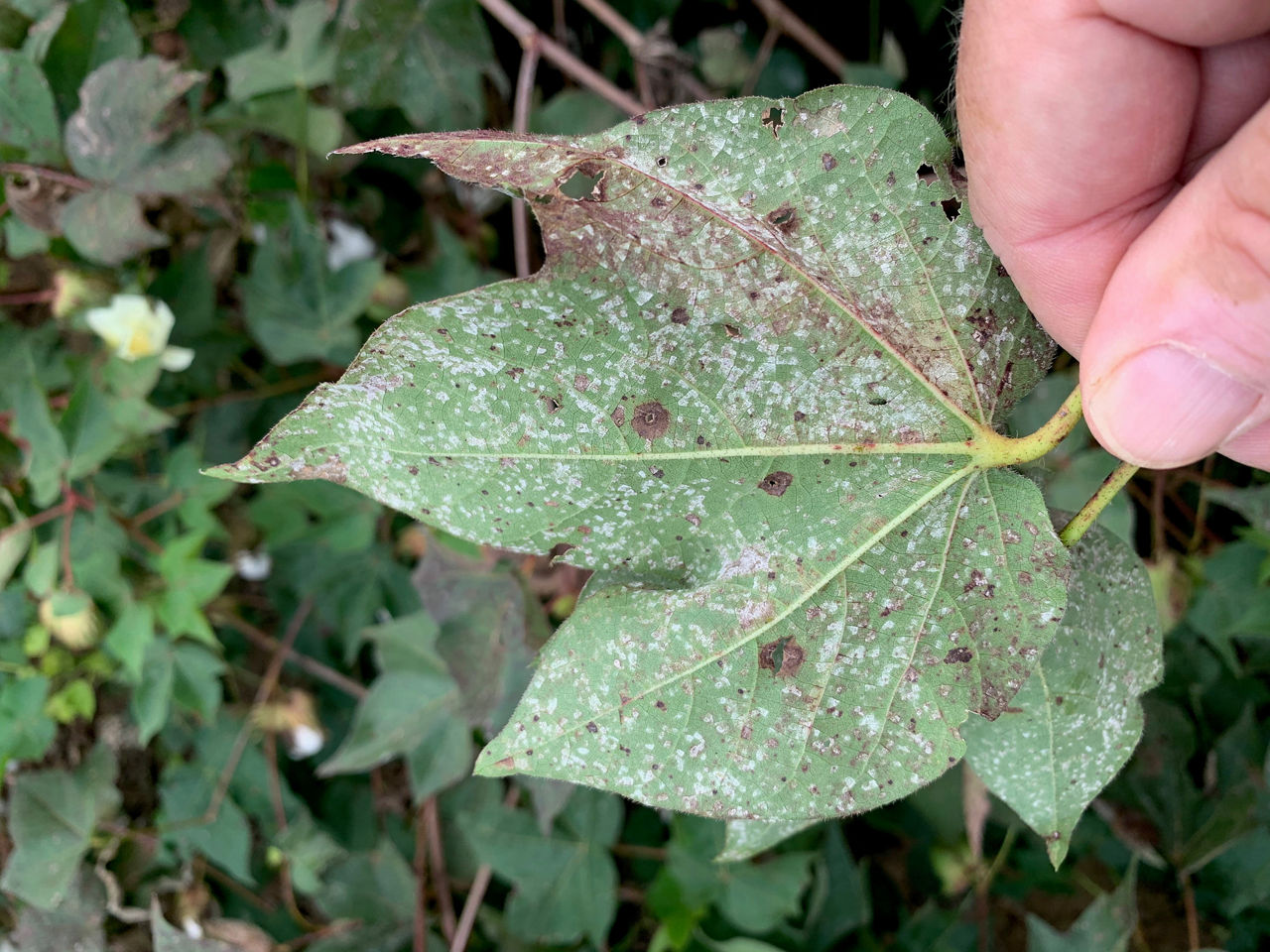
Scientific Name: Ramularia areola syn. Ramularia gossypii

White, powdery growth from areolate mildew on the bottom of a cotton leaf.
Figure 10. White, powdery growth from areolate mildew on the bottom of a cotton leaf. Photo courtesy of Bob Kemerait, University of Georgia.

Identification:

  • Forms small lesions on leaves and a white mildew on the bottom of partial or entire leaves (Figure 10).

  • Symptoms appear first on the lower canopy and move upward as the disease progresses.

  • Lesions can become necrotic and, in fields with substantial damage, early defoliation can occur.6,9,10

  • This disease can be mistaken for bacterial blight; however, areolate mildew includes a white, powdery growth on the underside of leaves.6

  • It is recommended to confirm the disease through leaf sampling.9

Management:

  • It is recommended to apply a fungicide if the disease is prevalent in large areas of the field and the cotton crop is within the sixth week of bloom or earlier and poor weather conditions are forecasted (cloudy and wet).9

Range and Potential Yield Loss:

  • This disease has been observed in Georgia, South Carolina, and North Carolina.9

  • This disease usually occurs late in the growing season and does not largely impact yield potential.6


Scientific Name: Famil Luteoviridae, Genus Polerovirus

Identification:

  • Symptoms typically appear at the top of the plant, in new growth after infection.

  • Results in curling, reddening, and limp leaves.

  • Leaf growth becomes distorted above the first observed reddened leaves.

  • Upper internodes can be shortened and dark green. 11

  • May resemble herbicide injury symptoms.12

Management:

  • This is a new and not completely understood cotton disease. However, this virus is transmitted by aphids, so controlling aphids may help reduce disease spread.

  • Control cotton regrowth, destroy stalks after harvest, and control weeds early in the growing season.12

Range and Potential Yield Loss:

  • First reported in Alabama in 2017, then Georgia, Mississippi, South Carolina, Tennessee, and Texas.12

  • Initial observations have been sporadic throughout impacted fields with less than 10% of plants being affected. But CLRDV has been confirmed in all cotton-producing counties in Georgia.

  • The potential of CLRDV to spread quickly is high, as is the potential for yield loss.11


Stem and Root Diseases
Scientific Name: Fusarium oxysporum f. sp. vasinfectum

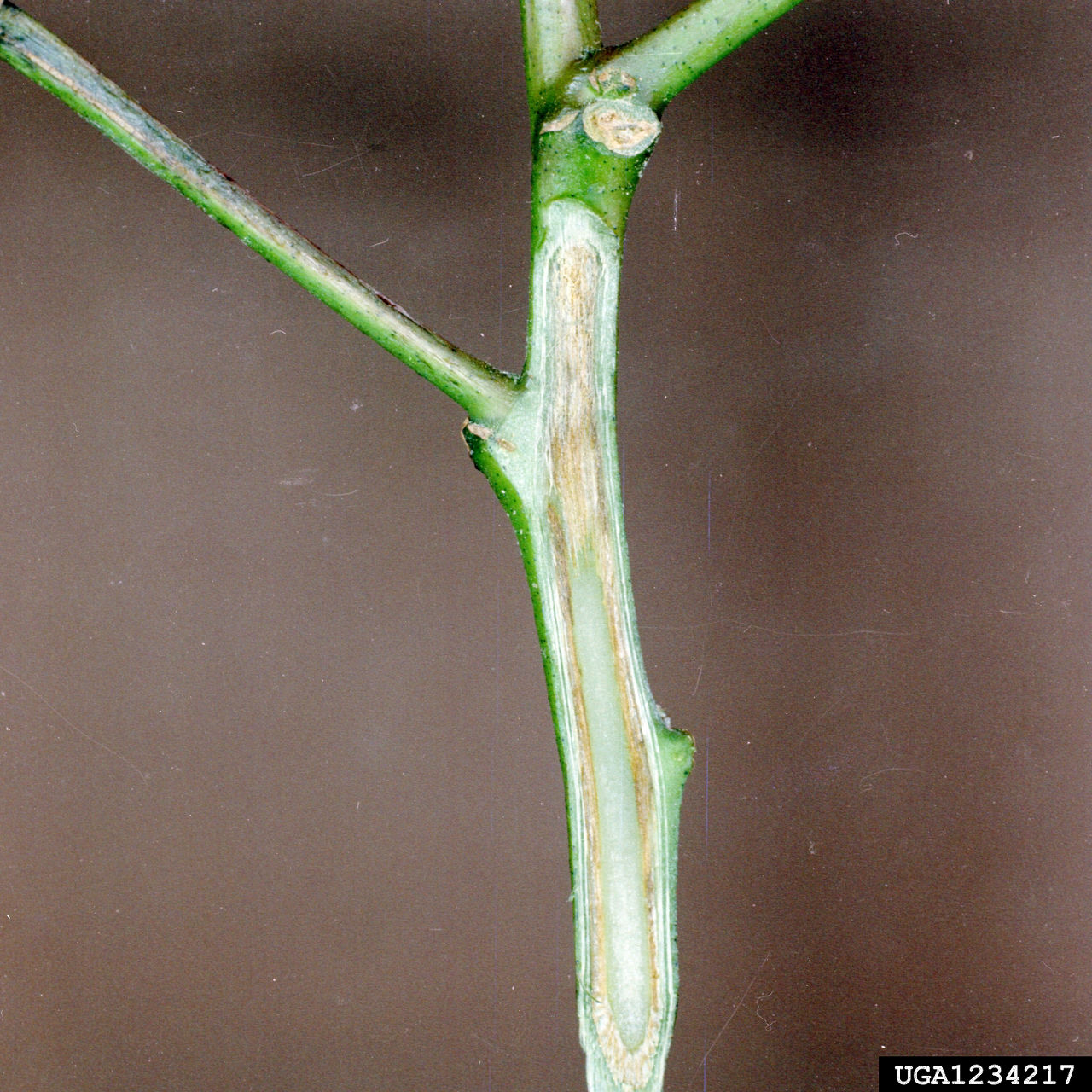
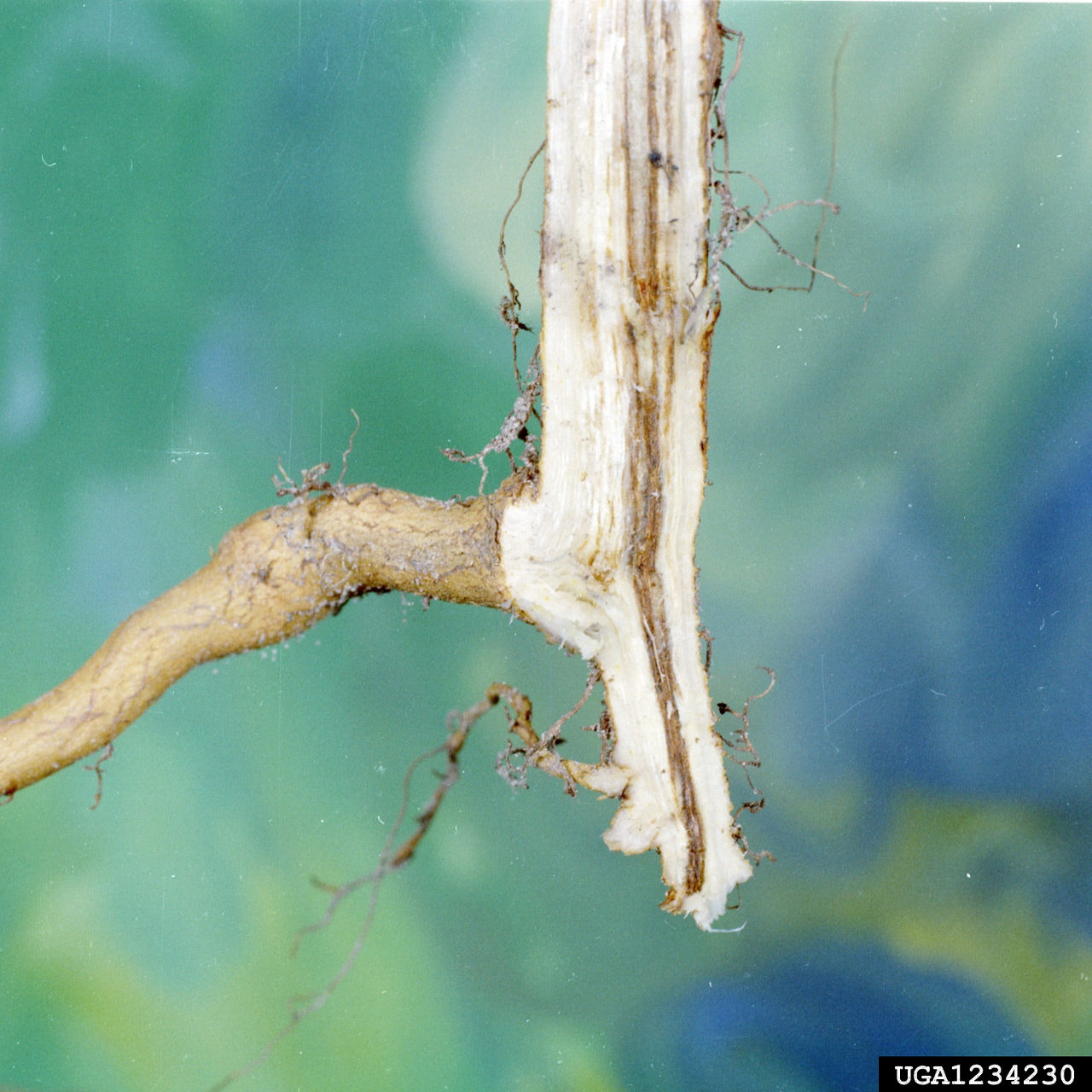
Vascular staining caused by Fusarium infection: Fusarium oxysporum f.sp. vasinfectum ; Gossypium hirsutum
Vascular staining in a cotton root caused by Fusarium.

Figure 11 a, b. Vascular staining caused by Fusarium infection. Photos courtesy of Clemson University - USDA Cooperative Extension Slide Series, Bugwood.org.

Identification:

  • Results in wilted or dying plants that can have interveinal chlorosis.

  • Infected plant stems can be sliced open to reveal brown vascular tissue indicating damage to the vascular system (Figure 11 a, b).

  • More likely to be present in fields with root-knot nematodes and have substantial root galling.2

  • A new race of Fusarium wilt, race 4 or FOV4, was confirmed in El Paso, Texas in 2017. This race was previously confined to California. Unlike other races of Fusarium wilt, the presence of FOV4 in a field is independent of nematodes. FOV4 attacks early in the season (many times on cotton as young as 3 or 4 nodes). Symptom on-set is rapid, resulting in root rotting, vascular discoloration, and substantial stand loss.13

Management:

  • Plant root-knot nematode-resistant cotton varieties and control nematode populations in the field.2

  • To help limit the spread of Fusarium, especially in the case of FOV4, it is important to clean equipment prior to moving to another field and limit tillage in infected fields.13

Range and Potential Yield Loss:

  • Observed across cotton-growing areas but occurs more often in clusters. This is true in the field as well.2

  • Damaged vascular tissue leads to poor movement of water and nutrients through the plant. This, coupled with damage from root-knot nematodes, can lead to plant death and substantial decreases in yield potential.


Scientific Name: Verticillium dahliae

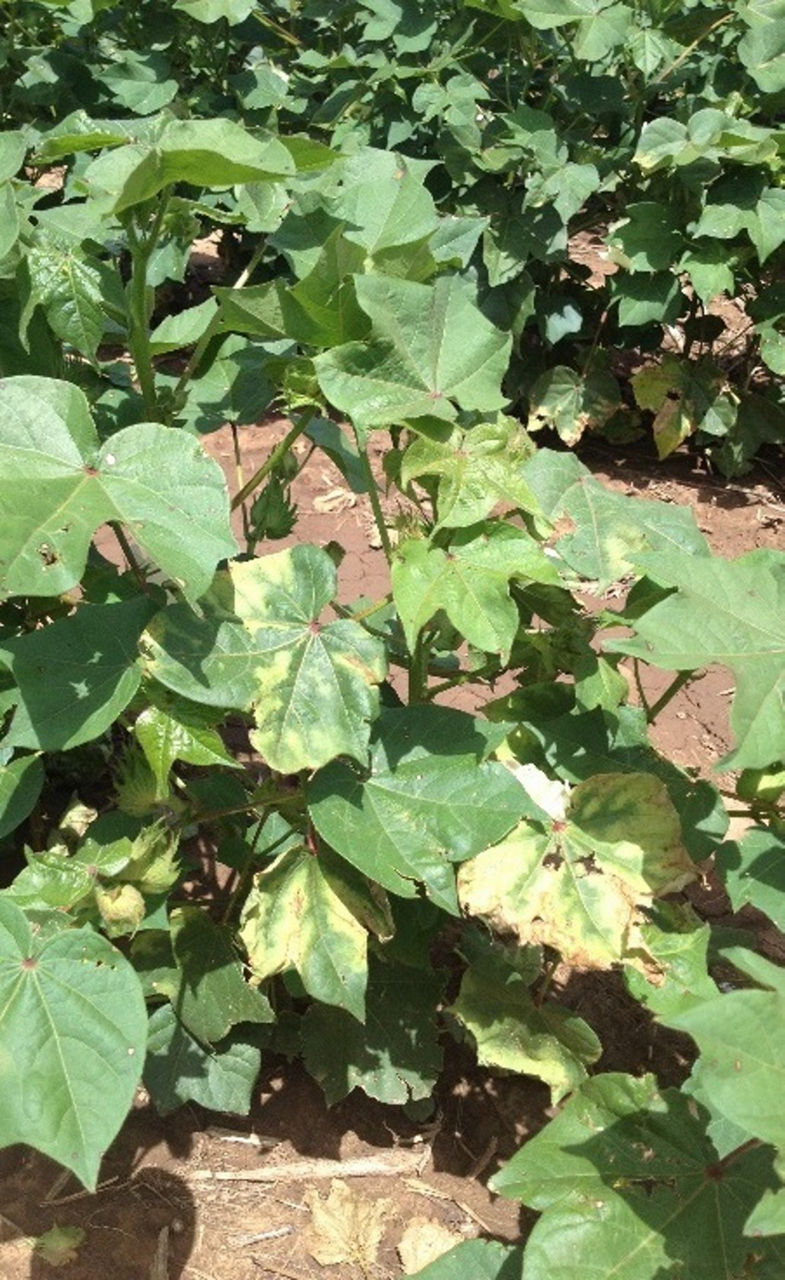
Verticillium Wilt Cotton

Figure 12 a, b. Irregular leaf mottling found in cotton plants infected with Verticillium wilt.


Identification:

  • Plants can be wilted, stunted, and with fewer fruiting positions.

  • As the disease progresses, leaves become irregularly mottled (Figure 12 a).

  • Some areas of the leaf may turn brown and die, while others remain green (Figure 12 b).

  • Plant stems may be sliced to reveal brown or black staining in the vascular tissue.14

Management:

  • For fields with a history of Verticillium wilt, plant varieties that show resistance to this disease.

  • Destroy infected crop residue by chopping stalks and incorporating plant material into the soil for faster decomposition.

  • Control winter weeds to limit plant hosts and use crop rotation to help reduce inoculum in the field.14

Range and Potential Yield Loss:

  • Verticillium wilt has been observed across cotton-growing areas.

  • Spreads quickly in cool, moist, and medium- to fine-textured soils.14

  • Fields with a history of Verticillium and heavy inoculum levels can have problems in seasons with above average rainfall or irrigation followed by rainfall and a heavy boll load.

  • Infected fields can have substantial yield loss and lower fiber quality.


Scientific Name: Phymatotrichum omnivorum

Plants in a field infected by cotton root rot.
Cotton roots affected by cotton root rot.
Cotton root infected with root rot.

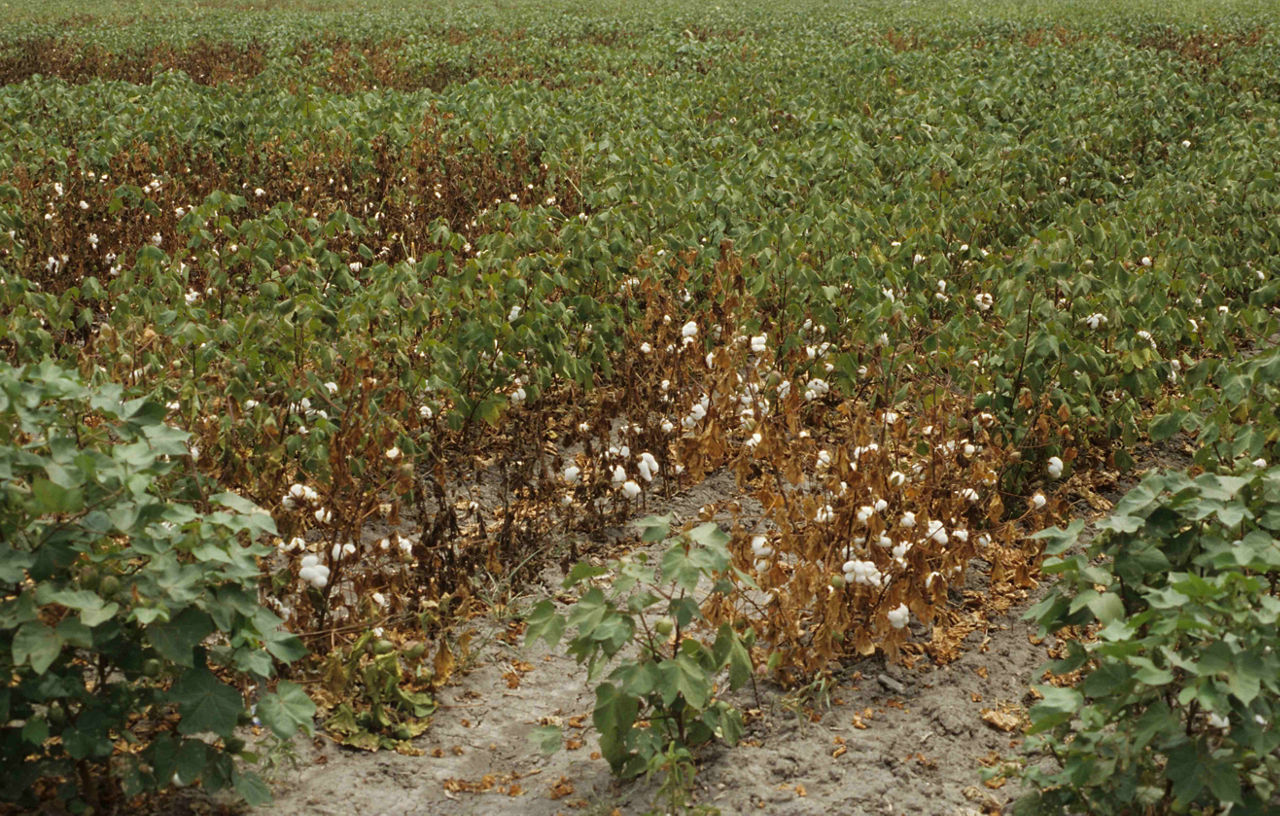
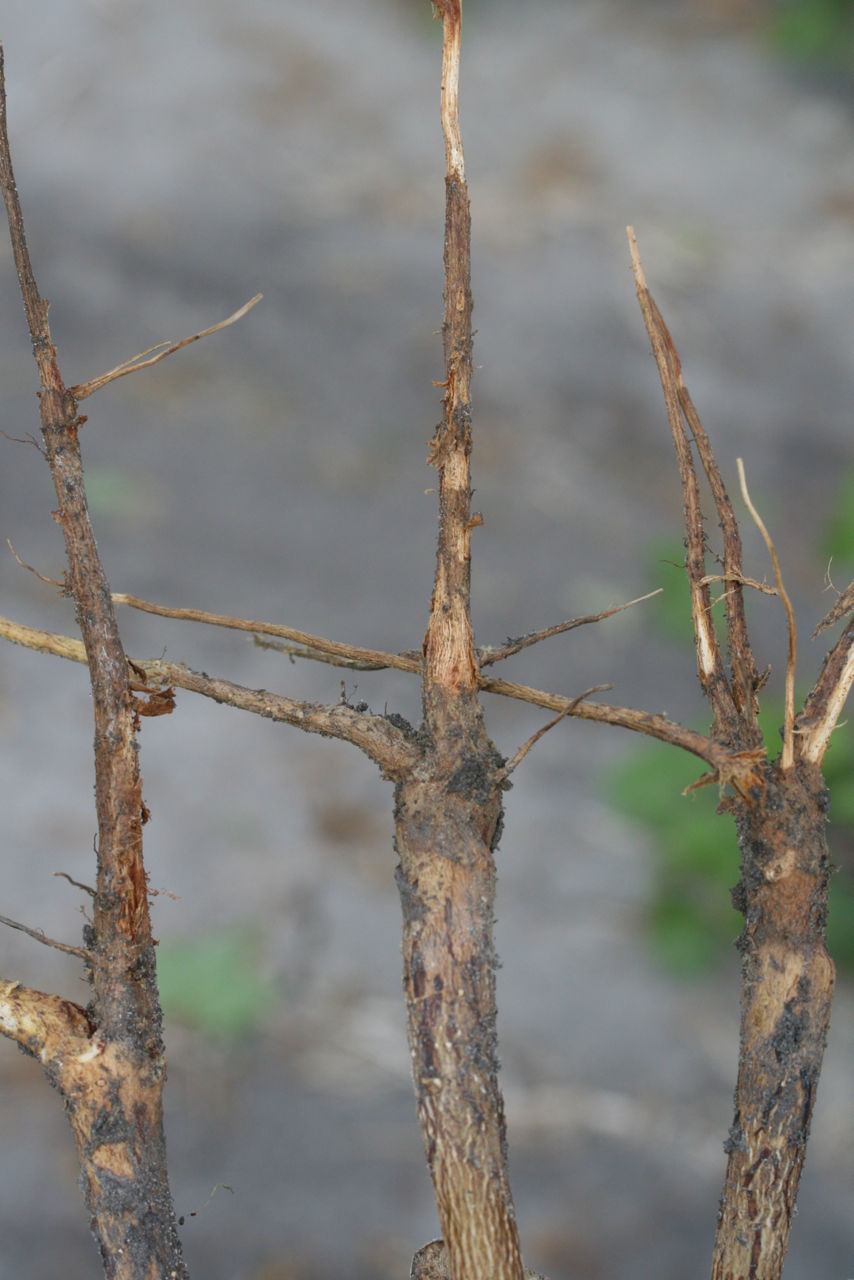
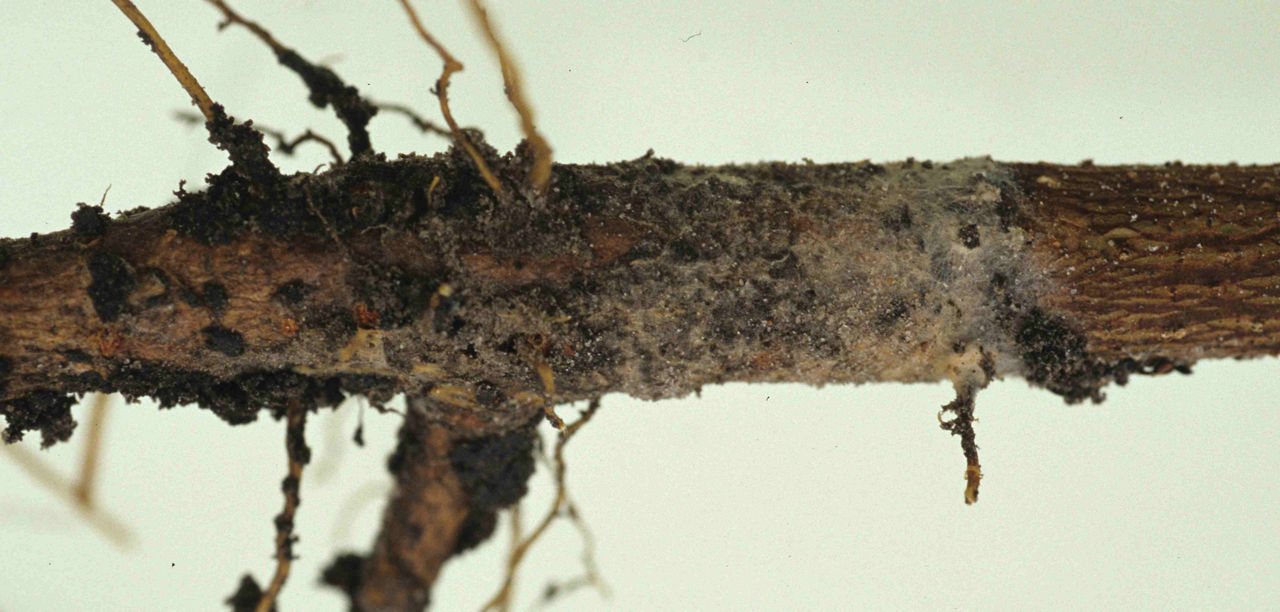
Figure 13 a, b, c. Plants infected by cotton root rot (a), and infected roots (b, c). Photos courtesy of Thomas Isakeit, Texas A&M University.


Identification:

  • Plants will be permanently wilted by the third day of expressing wilt and can rapidly die.

  • Wilted plants can be found directly next to healthy, non-wilted plants (Figure 13 a).

  • Leaves remain attached and plants can be easily pulled out of the soil due to rotten roots (Figure 13 b).

  • Roots can have white to brown fungal growth and white, cottony growth can be observed just below the soil surface (Figure 13 c).

  • Within an affected field, noticeable dead areas can be seen. Affected areas tend to be random throughout the field. Disease incidence is higher in wet conditions.15

Management:

  • Cultural control has been largely unsuccessful for controlling cotton root rot.

  • Applying the fungicide flutriafol to the soil at planting to areas known to be problematic can be an effective and economical way to control cotton root rot.15

Range and Potential Yield Loss:

  • Cotton root rot is primarily found in Texas and Arizona in areas where the annual minimum mean temperature is 60˚F.

  • The disease tends to be limited to alkaline soils, and favors calcareous, montmorillonitic clays.15

  • A cotton crop infected with cotton root rot can have lower fiber quality and lower harvest efficiency due to rotten plants clogging the harvester.


Rust

Scientific Name: Puccinia cacabata

Southwestern cotton rust lesion on cotton leaf.
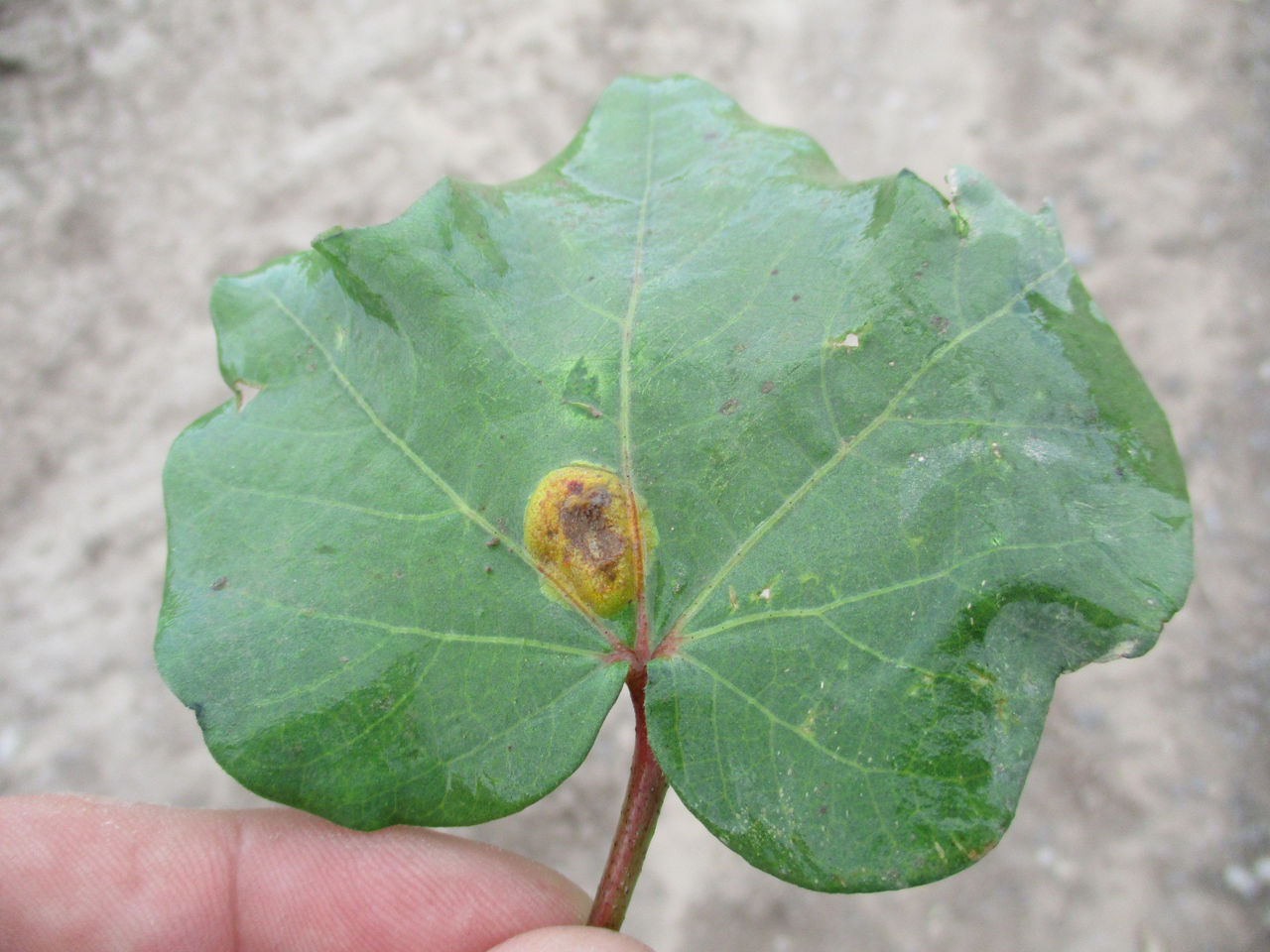
Figure 14. Southwestern cotton rust spot on cotton leaf. Photo courtesy of Thomas Isakeit, Texas A&M University.

Identification:

  • Initial symptoms are small, yellow spots on leaves, bracts, immature bolls, and stems.

  • As the disease progresses, spots become larger and more orange colored with reddish centers (Figure 14).

  • Pustules on the bottom of leaves can release orange spores.

  • Rust spots can cause leaf shedding and stalk, stem, and petiole strength can deteriorate until broken.3

Management:

  • Mancozeb fungicide can be applied prior to infection.3

  • Control wild grama grass (Bouteloua spp.) in and around the field to reduce the availability of an alternate host.

Range and Potential Yield Loss:

  • Known to occur periodically in the Southwest, including the Trans-Pecos area of West Texas and Southern New Mexico.3,18

  • Broken stalks lead to poor harvestability.3

  • Economic losses for infected fields can be up to 50%.18


Boll Rots

Mid-Season Cotton Boll Rot
Boll rot at harvest.

Figure 15 a, b. Boll rots at different stages of plant maturity.

Identification:

  • Boll rots generally appear first as water-soaked, brown or reddish-brown lesions on the boll capsule or bracts.

  • The infection can then spread, turning the boll dark brown to black (Figure 15 a, b).

  • Severe infection may cause bolls to fall off the plant.17

Management:

  • Applying a plant growth regulator to help control plant growth and increase air circulation in the canopy can reduce boll rots.

  • In areas that are more susceptible, wider row spacing or skip-row planting can help reduce the incidence of boll rots.

  • Regulate nitrogen fertilizer application to help prevent vigorous vegetative growth that can inhibit air circulation in the canopy.

  • Insect damage can provide an entryway for boll rots into the cotton plant; therefore, controlling mid- to late-season insects may help reduce boll rot damage.2

Range and Potential Yield Loss:

  • Boll rot occurs across cotton-growing areas and is caused by several different fungi and bacteria.17


Nematodes

Scientific Name: Meloidogyne spp.

Root galling and pruning damage by Southern root-knot nematode.
Premature maturity in an area of a field affected by nematode damage.

Figure 16 a, b. Cotton roots showing galling (a) and irregular patterns of damage in the field (b) due to root-knot nematode.


Identification:

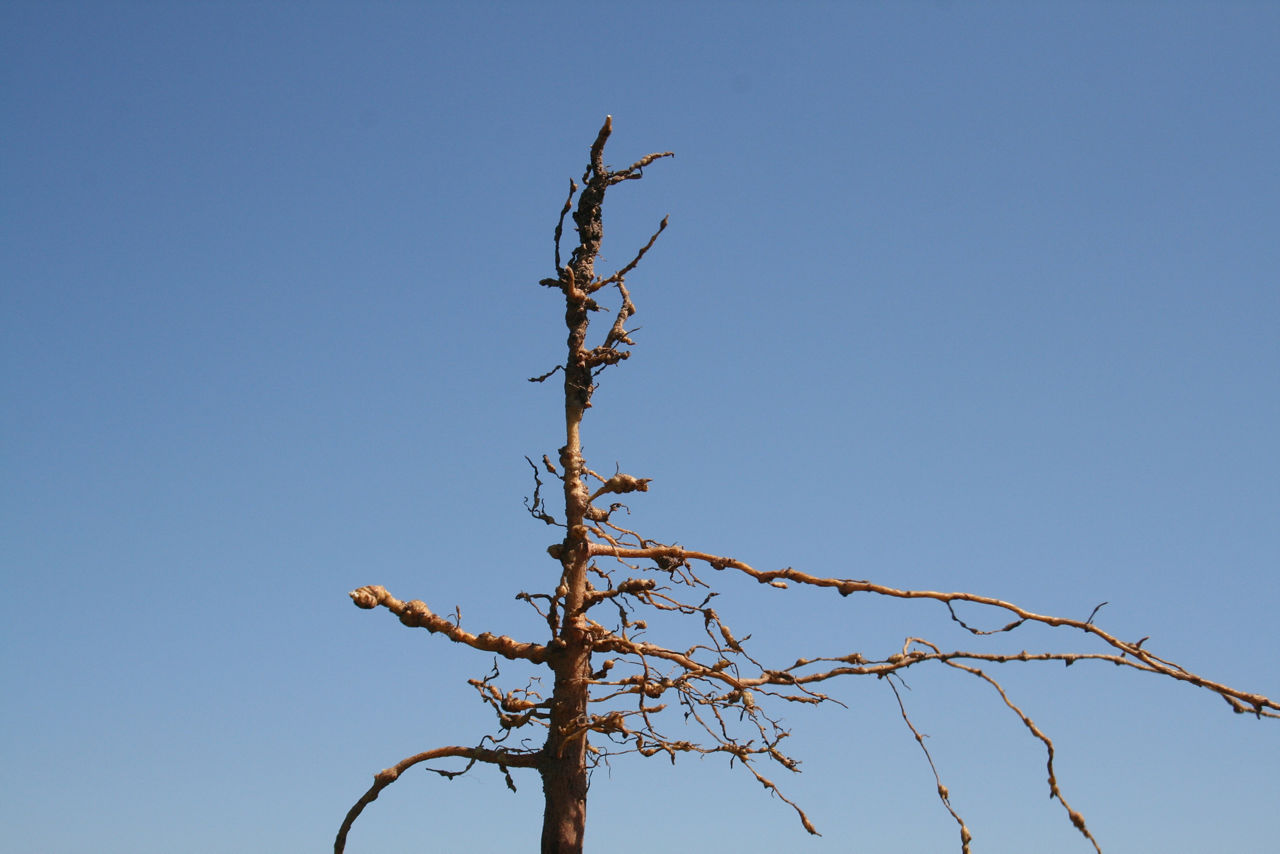
  • Infected plants may be carefully dug up to reveal root galling (Figure 16 a).
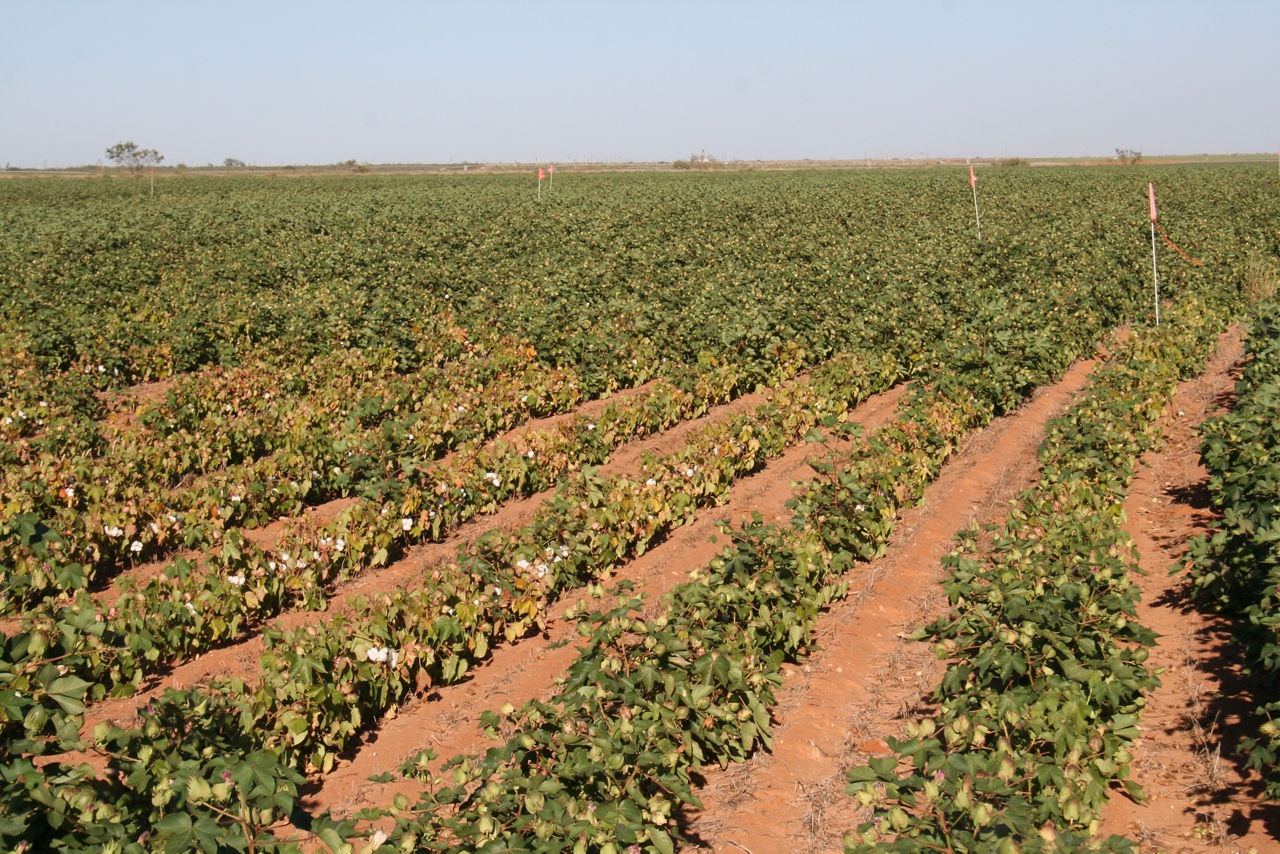
  • Damaged areas of the field are often in patches and can be chlorotic and stunted (Figure 16 b).
  • Plants may also have secondary fungal or bacterial infections due to injured roots, especially increases in the incidence of Fusarium wilt.
  • Occurs more often in sandier soils.

Management:

  • Sample soil in the fall to develop a nematode management plan for the following year.
  • Sanitize equipment used in an infested field and plan to work in infested fields last to help limit nematode movement.
  • Root-knot nematodes have a large host range, which includes soybean, corn, tobacco, and many vegetable crops, making crop rotation problematic. Peanut is a possible rotation for fields with root-knot nematodes.
  • Plant resistant varieties. Southern root-knot (M. incognita)-resistant cotton varieties are available.
  • Nematicides can help manage nematode populations. Seed treatments, fumigation, and soil or foliar application options are available.

Range and Potential Yield Loss:

  • Root-knot nematodes are found across cotton-growing areas.
  • The most recently introduced species, guava root-knot nematode (M. hapla), has been identified in Florida and North Carolina.18
  • Potential yield loss can range from minimal to 40-50% loss in heavily infested areas of the field.19

Scientific Name: Rotylenchulus reniformis

Identification:

  • Reniform nematodes tend to be more uniformly spread across a field and can be found in coarse and fine-textured soils.

  • Plants can be stunted, but this can be difficult to observe as reniform nematodes can spread uniformly across a field.

  • Egg masses often have sand stuck to them, so small roots may appear grainy.

  • Soil should be sampled to confirm the presence of reniform nematodes.

Management:

  • Crop rotation with corn for one to two years.

  • Nematicides can help manage nematode populations. Seed treatments, fumigation, and soil or foliar application options are available.19

Range:

  • Found in the Southeast, Midsouth, and Texas.


Scientific Name: Hoplolaimus spp.


Identification:

  • Feed on root tips of young cotton, leading to stunted tap roots and increased root branching in the upper four inches of soil.

  • Plants have restricted water and nutrient uptake, resulting in stunting and chlorosis.

  • Distribution in the field is spotty, often oval-shaped in the direction of tillage.20

  • Can increase the incidence and severity of seedling diseases and Fusarium wilt.

Management:

  • Crop rotation with peanut. Corn, soybean, and wheat are hosts for Lance nematodes.

  • Reduce moisture and nutrient stress.

  • In-row subsoiling can help reduce symptom development by promoting root development but does not decrease lance nematode populations.

  • Include a nematicide.

Range and Potential Yield Loss:

  • Found primarily on sandy and sandy loam soils in the Southeast and Midsouth.

  • Infected fields can have 5 to 60% yield loss, depending on severity.20


Scientific Name: Belonolaimus longicaudatus

Spotty area of a cotton field due to sting nematode.
Sting Nematode Cotton Plant

Figure 17 a, b. Spotty area of the field (a) and severe stunting due to sting nematode damage (b). Photos courtesy of Clemson University - USDA Cooperative Extension Slide Series, Bugwood.org.


Identification:

  • Feeding results in damaged root meristem and suspended root growth that looks stubby.

  • Plants are unable to take up water or nutrients, leading to chlorosis, wilt, severe stunting, and death (Figure 17 a, b).

Management:

  • Crop rotation may be limited to peanut. Corn, sorghum, soybean, and several vegetable crops are hosts.

  • Responds well to nematicides. However, sting nematodes can migrate deep within the soil profile and escape fumigation.

  • Control weeds to prevent weed hosts from establishing.

Range:

  • Typically found in the sandy coastal plains of the Southeast.21


Diseases of Unknown Cause

Identification:

  • Symptoms typically occur during fruit development.

  • Initially the top of the plant becomes necrotic.

  • If the disease progresses, leaves will turn red or bronze and become wilted.

  • The leaf temperature of infected plants will be higher than that of neighboring healthy plants.

  • Squares and bolls may shed.

  • Can be separated from other diseases by observing the lower stem and upper taproot. The lower stems and upper taproots of infected plants will appear healthy.

  • Infected plants will be random throughout a field.

Management:

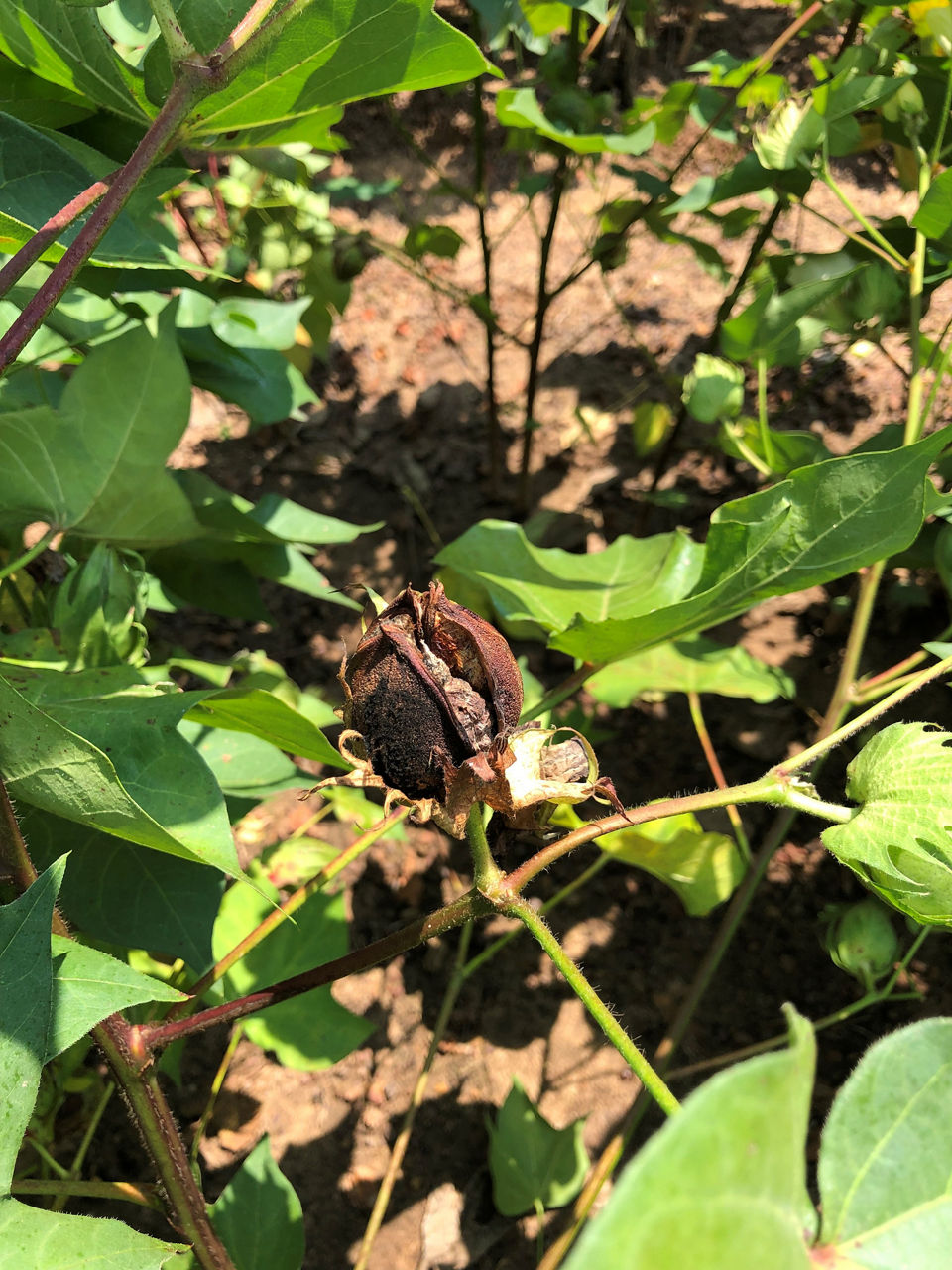
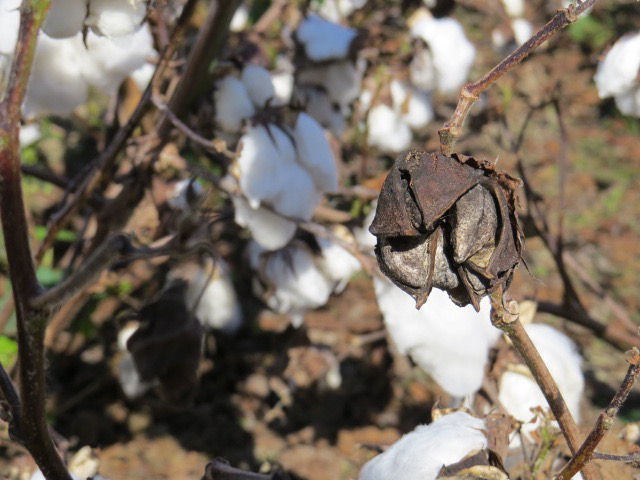
  • There is no known cause of bronze wilt, but there may be a link between genetic background and environmental conditions (high soil temperatures, drought followed by rain, high soil pH, high nitrogen, some nutrient deficiencies).

  • Select varieties with no known susceptibility to bronze wilt.

  • Keep fertility levels adequate for the crop.

Range and Potential Yield Loss:

  • Bronze wilt was first recognized in 1995 and caused devastating losses in 1998 throughout the upper Mississippi River Delta and the Gulf Coast States.

  • Periodic outbreaks have occurred, and cotton breeders continue to select for varieties that are not susceptible to bronze wilt.22


Sources:

1 Thiessen, L. 2019. Disease management in cotton. 2019 Cotton Information. North Carolina State University. https://content.ces.ncsu.edu/cotton-information/disease-management-in-cotton.
2Whitaker, J., Culpepper, S., Freeman, M., Harris, G., Kemerait, B., Perry, C., Porter, W., Roberts, P., Liu, Y., and Smith, A. 2018. 2019 UGA Cotton Production Guide. The University of Georgia.
3Texas Plant Disease Handbook. Cotton Gossypium hirsutum. Texas A&M AgriLife Extension. https://plantdiseasehandbook.tamu.edu/industry-specialty/fiber-oil-specialty/cotton/.
4Cotton seedling disease identification. The National Cotton Council. https://www.cotton.org/tech/pest/seedling/identification.cfm.
5Isakeit, T. 2016. Managing Seedling Diseases of Cotton. Texas A&M University. http://agrilifecdn.tamu.edu/coastalbend/files/2017/06/Management-of-seedling-diseases-of-cotton_2016.pdf.
6Cotton foliar diseases. The University of Tennessee Institute of Agriculture. https://guide.utcrops.com/cotton/cotton-foliar-diseases/.
7Woodward, J. 2016. Increased incidence of Alternaria leaf spot of cotton. Texas A&M AgriLife Extension. https://agrilife.org/texasrowcrops/2016/09/06/increased-incidence-of-alternaria-leaf-spot-of-cotton/.
8McGriff, E. 2016. Stemphylium leaf spot in cotton. Alabama Cooperative Extension System. https://sites.aces.edu/group/timelyinfo/Lists/Posts/Post.aspx?ID=836.
9Thiessen, L. 2018. Areolate mildew confirmed in North Carolina. North Carolina State Extension. https://plantpathology.ces.ncsu.edu/2018/08/areolate-mildew-confirmed-in-north-carolina/.
10Nichols, K. 2019. Target spot, areolate mildew damaging to cotton. Alabama A&M and Auburn Universities Extension. https://www.aces.edu/blog/topics/cotton/target-spot-areolate-mildew-damaging-to-cotton/.
11Tabassum, A., Bag, S., Roberts, P., Suassuna, N., Chee, P., Whitaker, J.R., Conner, K.N., Brown, J., Nichols, R.L., and Kemerait, R.C. 2019. First report of cotton leafroll dwarf virus infecting cotton in Georgia, U.S.A. The American Phytopathological Society. https://apsjournals.apsnet.org/doi/10.1094/PDIS-12-18-2197-PDN.
12Schattenberg, P. 2019. Cotton leafroll dwarf virus discovered in Central Texas. Texas A&M AgriLife. https://today.agrilife.org/2019/08/23/cotton-leafroll-dwarf-virus-discovered-in-central-texas/.
13Isakeit, T. and Morgan, G. 2018. Limiting the spread of fusarium wilt race 4, a new disease of cotton in Texas. Texas AgriLife Extension. https://agrilife.org/texasrowcrops/2018/09/11/limiting-the-spread-of-fusarium-wilt-race-4-a-new-disease-of-cotton-in-texas/.
14Raper, T., Meyer, B., Lawrence, K., Sandlin, T., Cutts, T., Silvey, N., Burmester, C., Dill, T., Shelby, P., and Kelly, H. 2017. Verticillium wilt in Tennessee valley cotton. W403. http://news.utcrops.com/wp-content/uploads/2017/03/W403.pdf.
15Isakeit, T. 2016. Cotton root rot (Phymatotrichopsis root rot) and its management. Texas AgriLife Extension. PLPA-FC010-2016. https://www.cottoninc.com/wp-content/uploads/2018/01/Cotton-root-rot-phymatotrichopsis-management.pdf.
16Goldberg, N. and French, J. Southwestern cotton rust. New Mexico State Extension Plant Pathology. https://aces.nmsu.edu/ces/plantclinic/documents/southwester-cotton-rust-nycu.pdf.
17Cutts, T. 2016. Cotton boll rot: potential causes and management considerations. Alabama Cooperative Extension System. https://sites.aces.edu/group/crops/blog/Lists/Posts/Post.aspx?List=93b27053-563c-4a66-b5db-09c41227b355&ID=139&Web=89eff7f6-d4b3-4cf8-9191-103ef5cc38d3.
18Thiessen, L. and Rivera, Y.R. 2019. Root knot nematode of cotton. NC State Extension. https://content.ces.ncsu.edu/cotton-root-knot-nematodes.
19Overstreet, C. 2016. Nematode problems on cotton. LSU College of Agriculture. https://www.lsuagcenter.com/profiles/coverstreet/articles/page1460046020798.
20Blasingame, D., Gazaway, W., Kemerait, R., Kirkpatrick, T., Koenning, S., Lawrence, G., McClure, M., Mueller, J., Newman, M., Overstreet, C., Phipps, P., Rich, J., Thomas, S., Wheeler, T., and Wrather, A. 2003. Cotton nematodes - your hidden enemies. Beltwide Cotton Nematode Research and Education Committee. http://cotton.tamu.edu/Nematodes/nematodebrochure.pdf.
21Crow, W.T. 2015. Sting nematode. University of Florida. http://entnemdept.ufl.edu/creatures/nematode/sting_nematode.htm.
22Bell, A.A., Nichols, R.L., Albers, D., Baird, R., Brown, S., Colyer, P., El-Zik, K., Gwathmey, C.O., Lemon, R., Newman, M., Phipps, B.J., and Oosterhuis, D.M. 2002. Texas Cooperative Extension. L-5412. http://cotton.tamu.edu/Nematodes/bronzewilt.pdf.
Web sources verified 10/11/2019, 1009_G1

Disclaimer

Always read and follow pesticide label directions, insect resistance management requirements (where applicable), and grain marketing and all other stewardship practices.