Seedbed Preparation and Seeding Depth Influences on Corn Yield Potential – Mid-South 2025
February 4, 2026
TRIAL OBJECTIVE
- Many crops across the South are planted on raised beds primarily to help enable in-season drainage; however, the bedding process can often be delayed into the spring planting period because of wet autumn conditions.
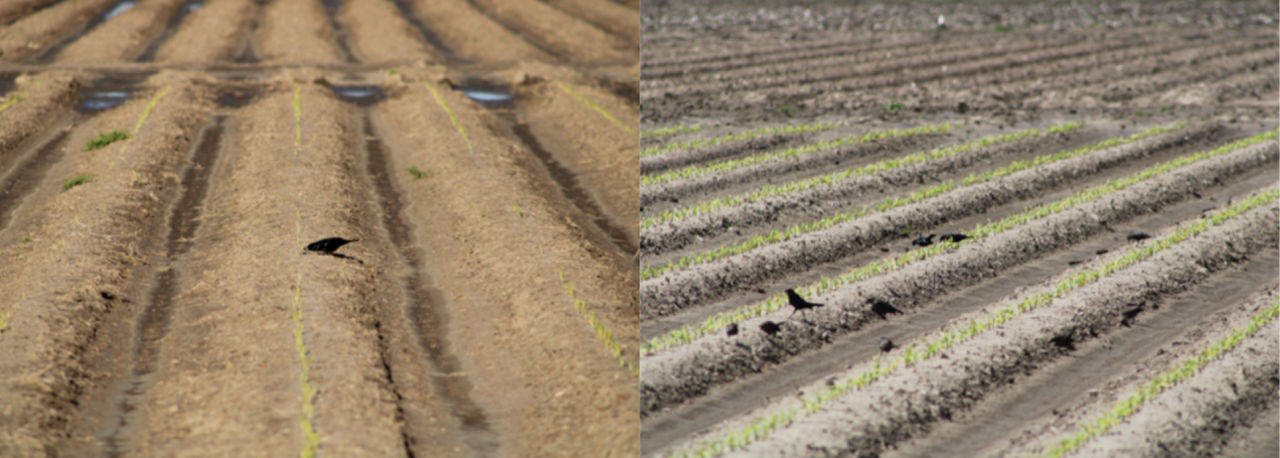
- Bird predation can substantially impact yield potential, and planting depth can be used as a management tool to reduce the damage by birds.
- The Bayer Crop Science Learning Center at Scott, MS conducted a trial to measure the potential influence of seeding depth and raised seedbeds on corn yield potential.
RESEARCH SITE DETAILS

Table 1. DEKALB® brand corn products, their traits and relative maturities.
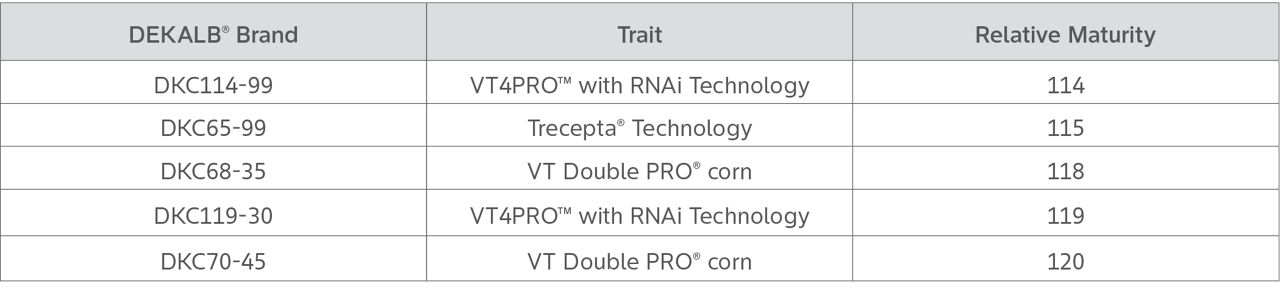
- Trial was set up as a non-replicated strip plot.
- Plot size: 12-row plots; 145-ft length, with approximately 0.127 acre per plot.
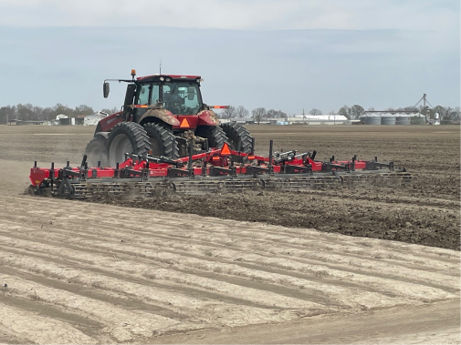
- Prior to planting, plots were ‘hipper rolled’ with the Bigham Hipper Roller® tool for bed establishment.
- The following treatments were established in the field:
- The Bigham Hipper Roller® tool prepared seedbeds on the planting date.
- The Bigham Hipper Roller® tool prepared seedbeds approximately 60 days prior to planting. The goal was to have the seedbeds settled by rainfall prior to planting, and this was achieved.
- The following treatments were established in the field:
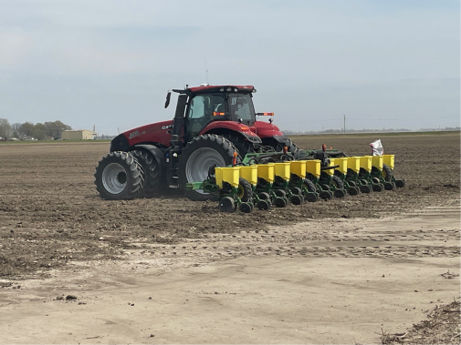
- Planting depth treatments:
- 1.25-inch
- 2.5-inch
- Data collected as follows:
- Yield data were collected by commercial combine machinery.
- Yields were corrected to 15.5% moisture for reporting.
UNDERSTANDING THE RESULTS
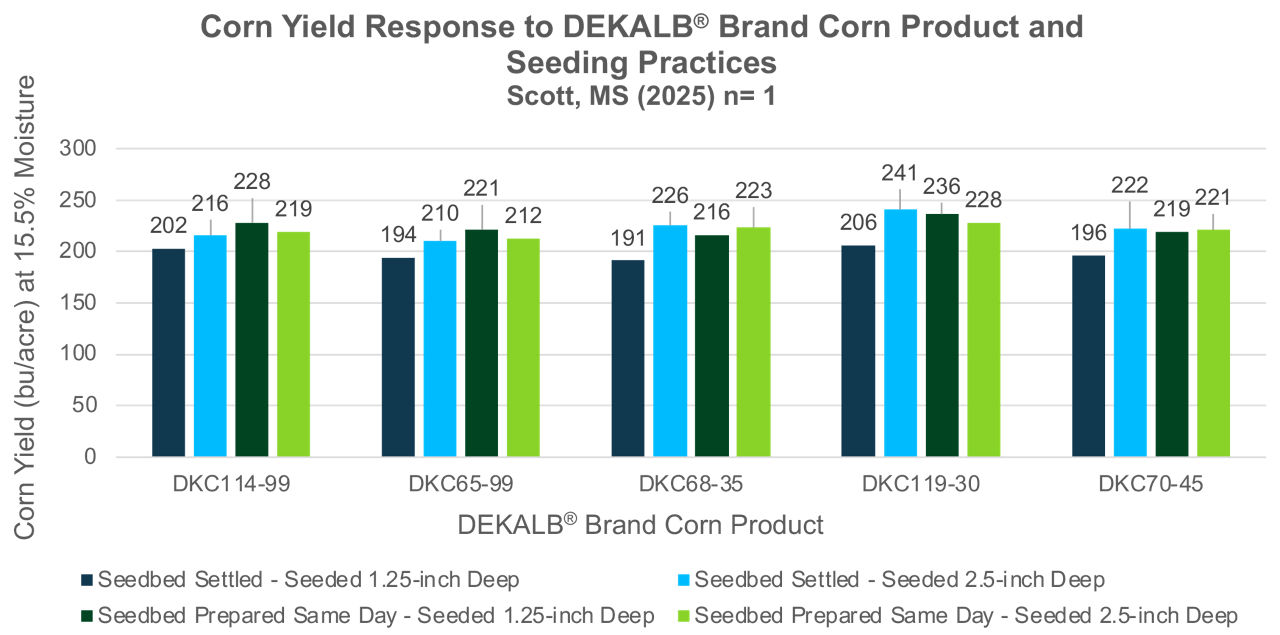
- Little, if any, interaction was observed for seedbed preparation or seeding depth across corn products in this study (Figure 4).
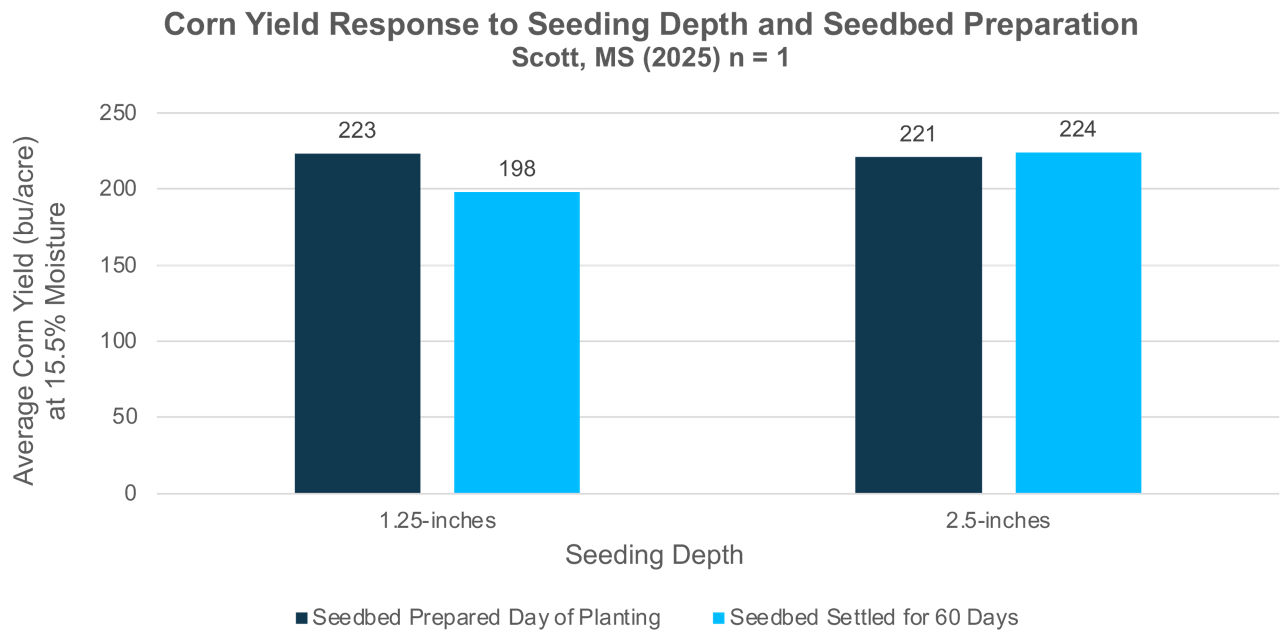
- The settled seedbed, shallow-planted treatment demonstrated an average yield 25 bu/acre less than the other seedbed treatments (Figure 5).
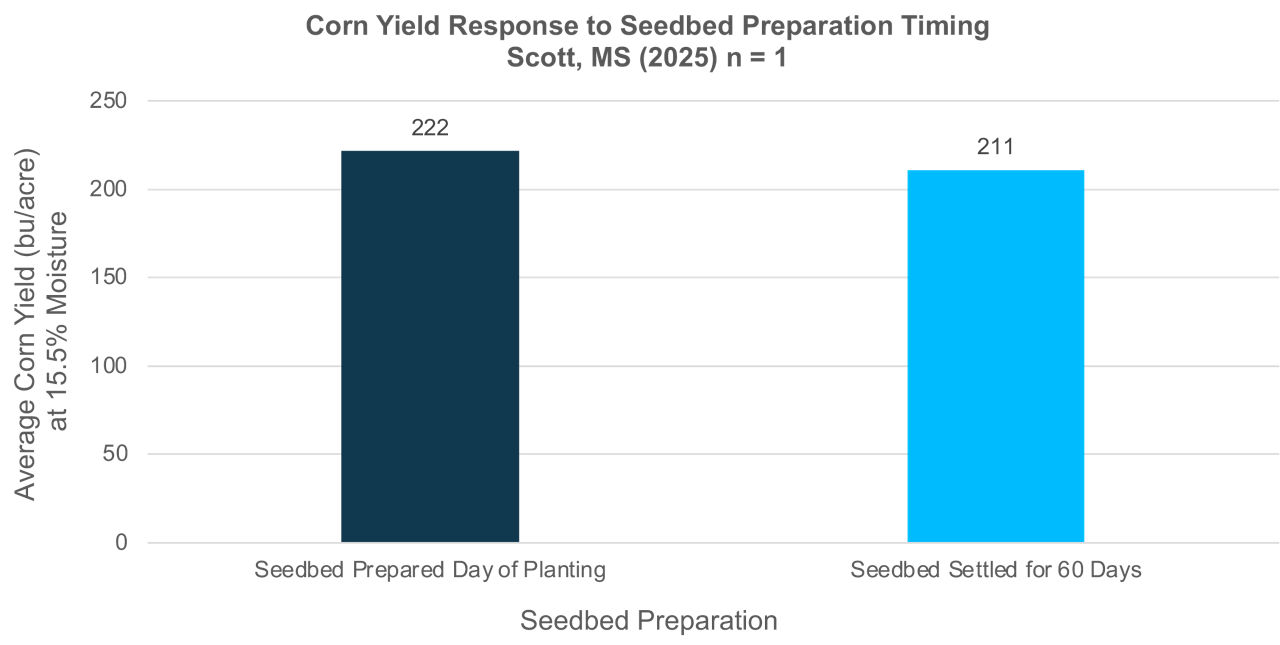
- When averaged across the other factors in this study, creating seedbeds the day of planting resulted in corn yields 11 bu/acre greater than letting seedbeds settle prior to planting (Figure 6).
KEY LEARNINGS
- Growers should maintain a focus on planting parameters including planting depth regardless of seedbed practices. These parameters can only be optimized before or during the planting process.
- We speculate shallow-planted kernels are more susceptible to bird feeding and/or developmental issues such as poor rooting mass and volume. However, data around these specific effects were not part of this trial.
- Same-day seedbed creation could help soil mass settle into a proper layer over the seed.
- Please contact your local DEKALB® brand representative for more information.
1210_713000
Disclaimer
ALWAYS READ AND FOLLOW GRAIN MARKETING AND ALL OTHER STEWARDSHIP PRACTICES AND PESTICIDE LABEL DIRECTIONS.