
Tassel Wrap in Corn
July 21, 2025
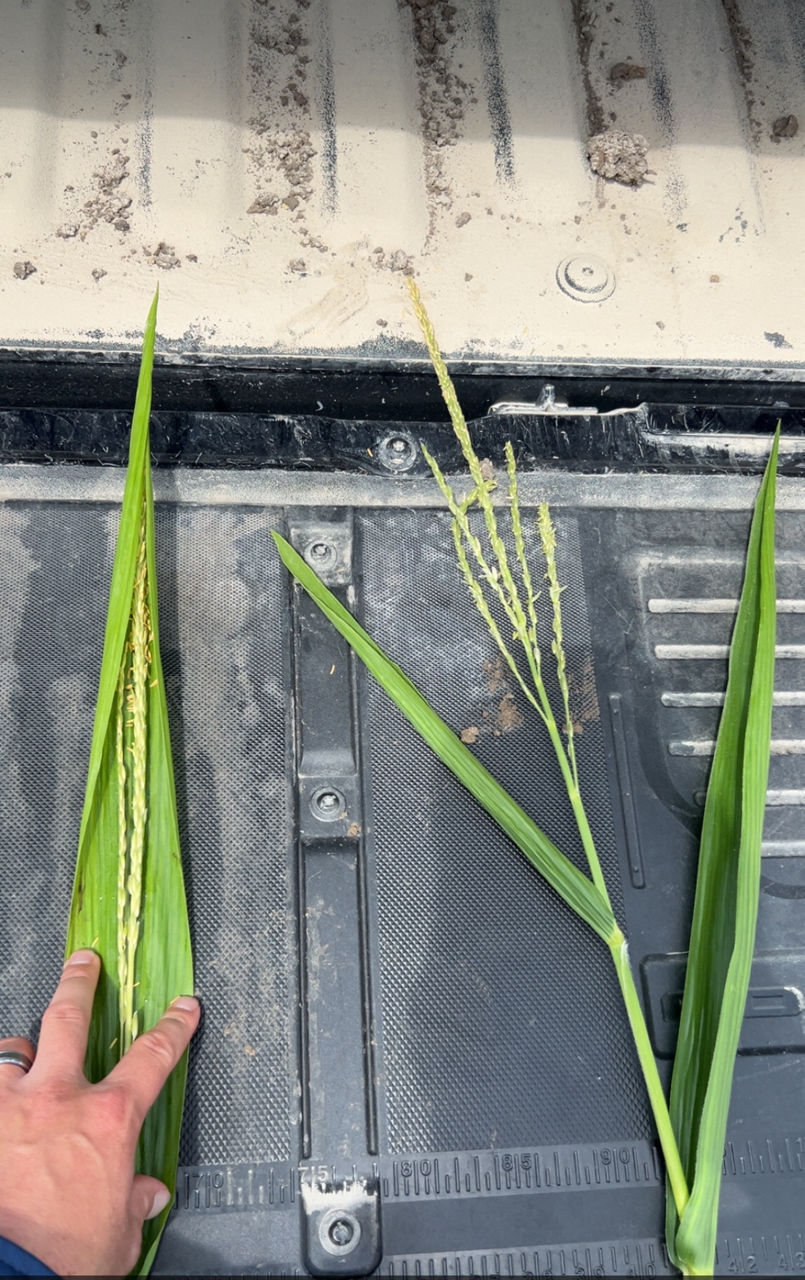
An overly tight tassel wrap refers to a condition where the tassel, the plant’s male flowering part, becomes tightly wrapped within the plant’s upper leaves. This condition prevents it from properly emerging and releasing pollen (Figure 1).
Causes of Overly Tight Tassel Wrap
- Genetic factors: Some corn products may be genetically predisposed to developing tight tassel wraps. This can be due to the plant's growth patterns or structural characteristics.
- Environmental conditions: Stressful environmental conditions such as drought, high temperatures, or excessive moisture can contribute to the development of tassel wrap. These conditions may affect the plant's growth, causing the leaves to constrict tightly around the tassel.
- Nutrient imbalance: A deficiency or imbalance in essential nutrients, particularly those that affect plant growth and development, can lead to abnormal wrapping of the tassel.
- Pest or disease pressure: Insect infestations or diseases can weaken the plant, which may alter its normal growth patterns and lead to issues such as tight tassel wraps.
Identification of Overly Tight Tassel Wrap
- Visual inspection: One of the most straightforward ways to identify an overly tight tassel wrap is through visual inspection. The tassel may appear constricted or not fully emerged from the top of the plant.
- Growth patterns: Observe the growth patterns of the corn plants. Plants with overly tight tassel wraps may exhibit stunted growth or abnormal leaf arrangements.
Potential Consequences of Overly Tight Tassel Wrap
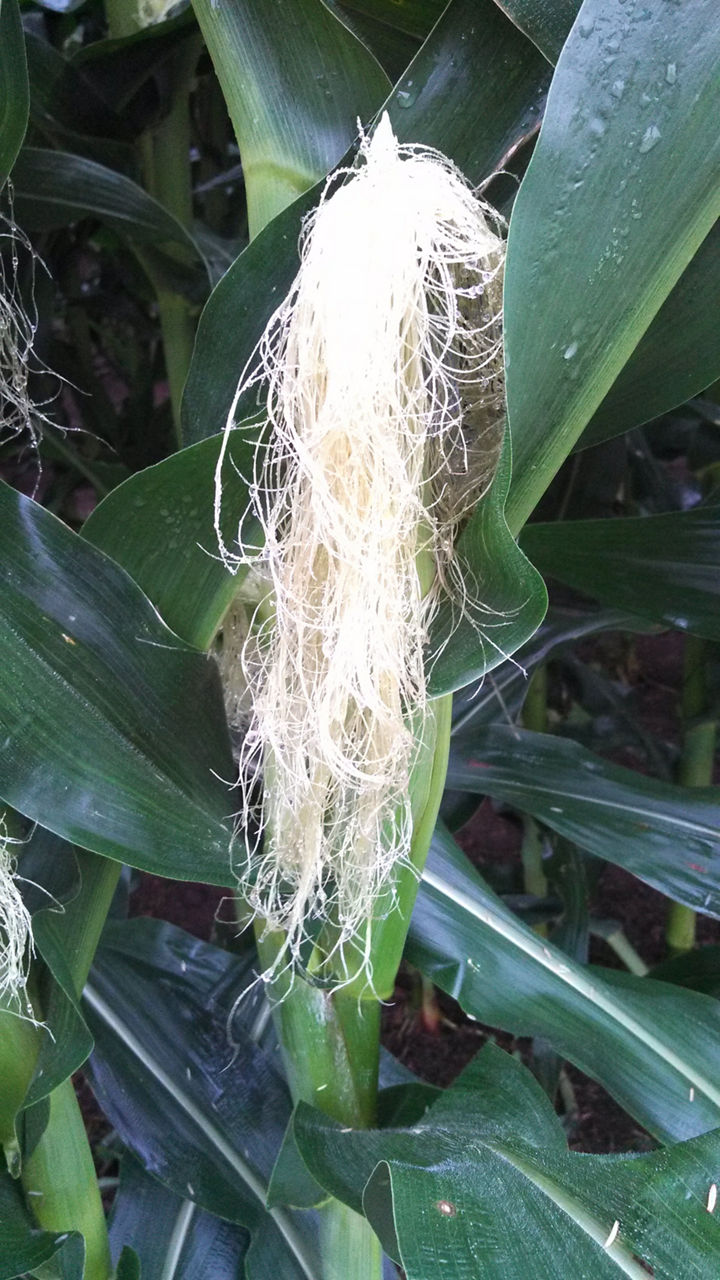
- Flowering issues: Since the tassel is responsible for producing pollen, a tightly wrapped tassel may lead to poor pollen distribution which can affect ovule fertilization and kernel development. Silks may become very long, indicating that fertilization has not occurred (Figure 2).
- Yield impact: If the tassels are unable to unwrap naturally and a majority of the field has wrapped tassels, potential yield may be reduced. Most ovules on a corn plant are not fertilized by the plant’s own pollen; therefore, if an adequate number of nearby plants have normal tassel extension, fertilization may occur and help limit potential yield reduction.
Nothing can be done to release a wrapped tassel in the current crop.1 Since the phenomenon rarely occurs, making note of the crop’s growing conditions may help provide an explanation for the occurrence.2 If the condition appeared to be related to a certain corn product(s), consideration may be given to planting different products.1,2 Other practices to evaluate may include planting dates, optimizing nutrient availability, and—if available—applying timely irrigation.1
Sources
1Roozeboom, K., Sullivan, T., and Simon, L. 2025. Corn production: Pollination issues and tightly wrapped tassels. Kansas State University, Agronomy eUpdates. https://eupdate.agronomy.ksu.edu/article/corn-production-pollination-issues-and-tightly-wrapped-tassels-651-2
2Licht, M. 2025. Are you seeing wrapped tassels shedding pollen? We are too! Iowa State University Extension and Outreach, Integrated Crop Management. https://crops.extension.iastate.edu/post/are-you-seeing-wrapped-tassels-shedding-pollen-we-are-too
Web sources verified 7/21/25. 1214_616551
Year-Round Updates From Our Agronomic Experts
Disclaimer
Always read and follow pesticide label directions, insect resistance management requirements (where applicable), and grain marketing and all other stewardship practices.