15 MIN READ
How Weather and Disease Can Affect Soybean Seed Quality
July 20, 2026
Get Year-Round Updates From Our Agronomic Experts
In any one year, yield potential can be reduced by diseases, which are influenced by product susceptibility, presence and abundance of a pathogen (fungus, bacteria, virus, nematode), timing of infection, and environmental conditions. However, only a few diseases have the potential to affect soybean seed quality and germination.
In general, the most probable conditions and time for quality deterioration of soybean seed occurs when the environment is warm and wet near or after seed maturation. A timely harvest after maturation is the best management practice for reducing the potential impact on seed quality.
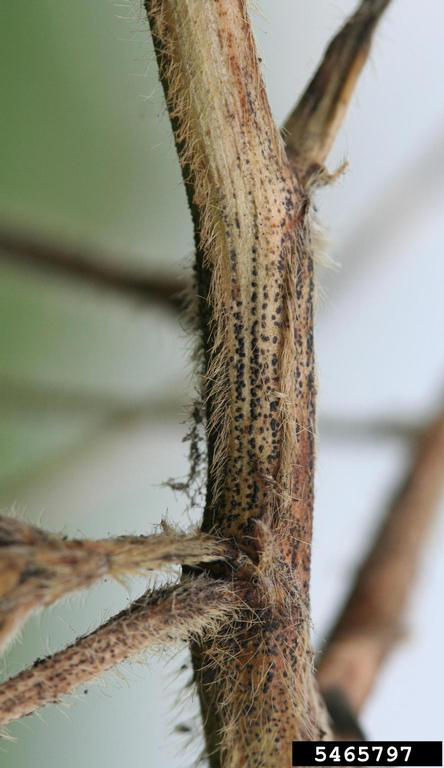
Purple seed stain (PSS), caused by multiple species of Cercospora, and Diaporthe seed decay (DSD), caused by multiple species of Diaporthe, are the most common diseases associated with a reduction in germination, and oil and flour quality. Frogeye leaf spot, Anthracnose, and downy mildew can also reduce seed quality but generally less so than PSS and DSD. Additionally, diseases caused by Alternaria, Fusarium, Cladosporium, and Penicillium are known as secondary diseases responsible for quality reduction because they have the potential to infect plants after injuries from insects, hail, or mechanical means.1
Soybean Diseases Most Likely to Cause Reductions in Germination and Seed Quality
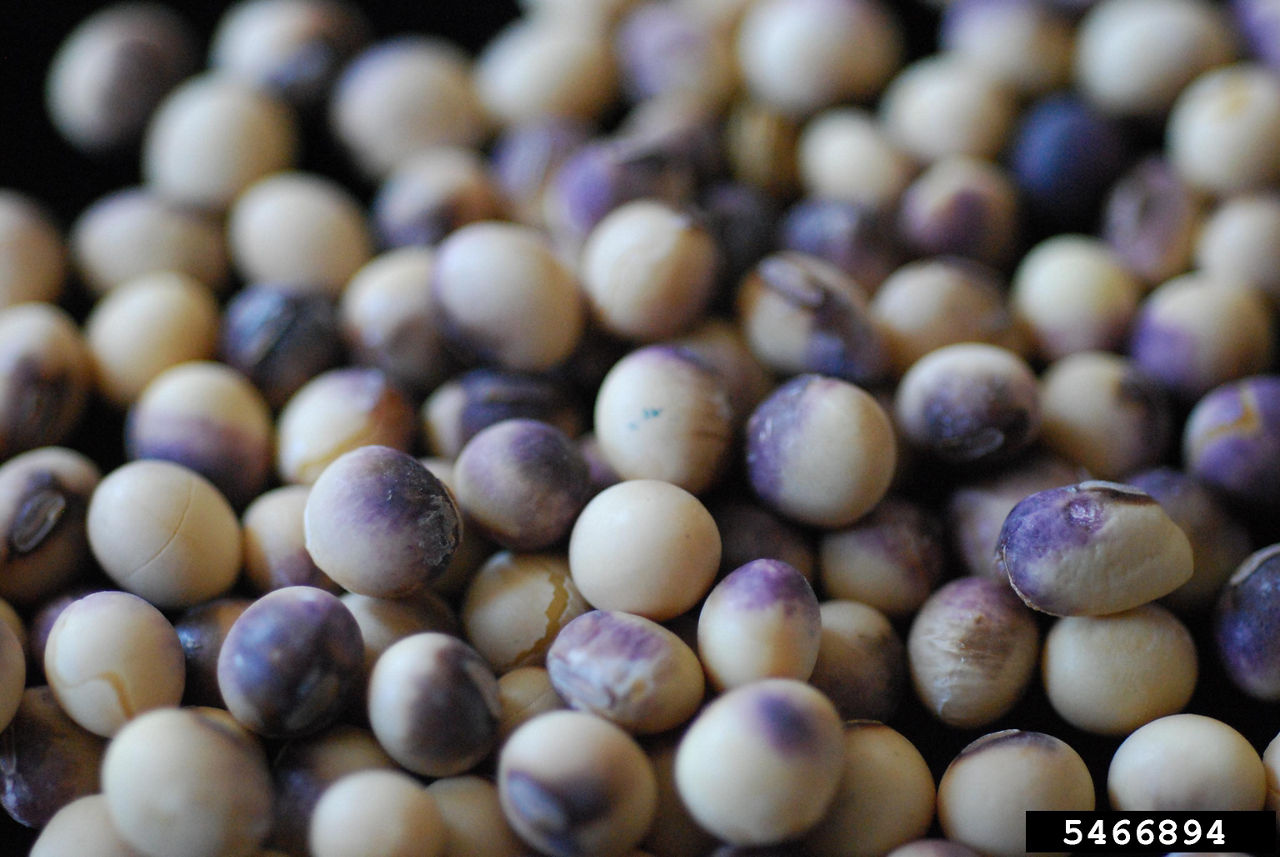
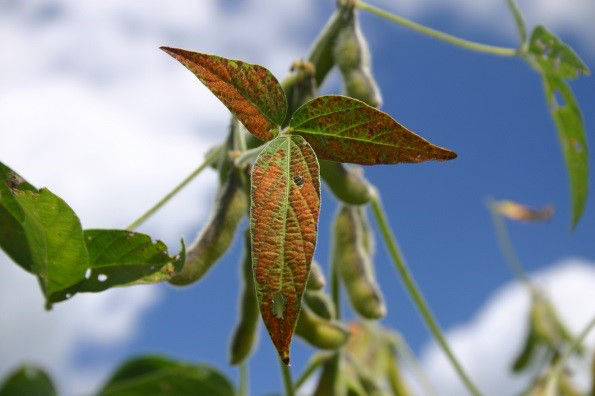
Diaporthe species
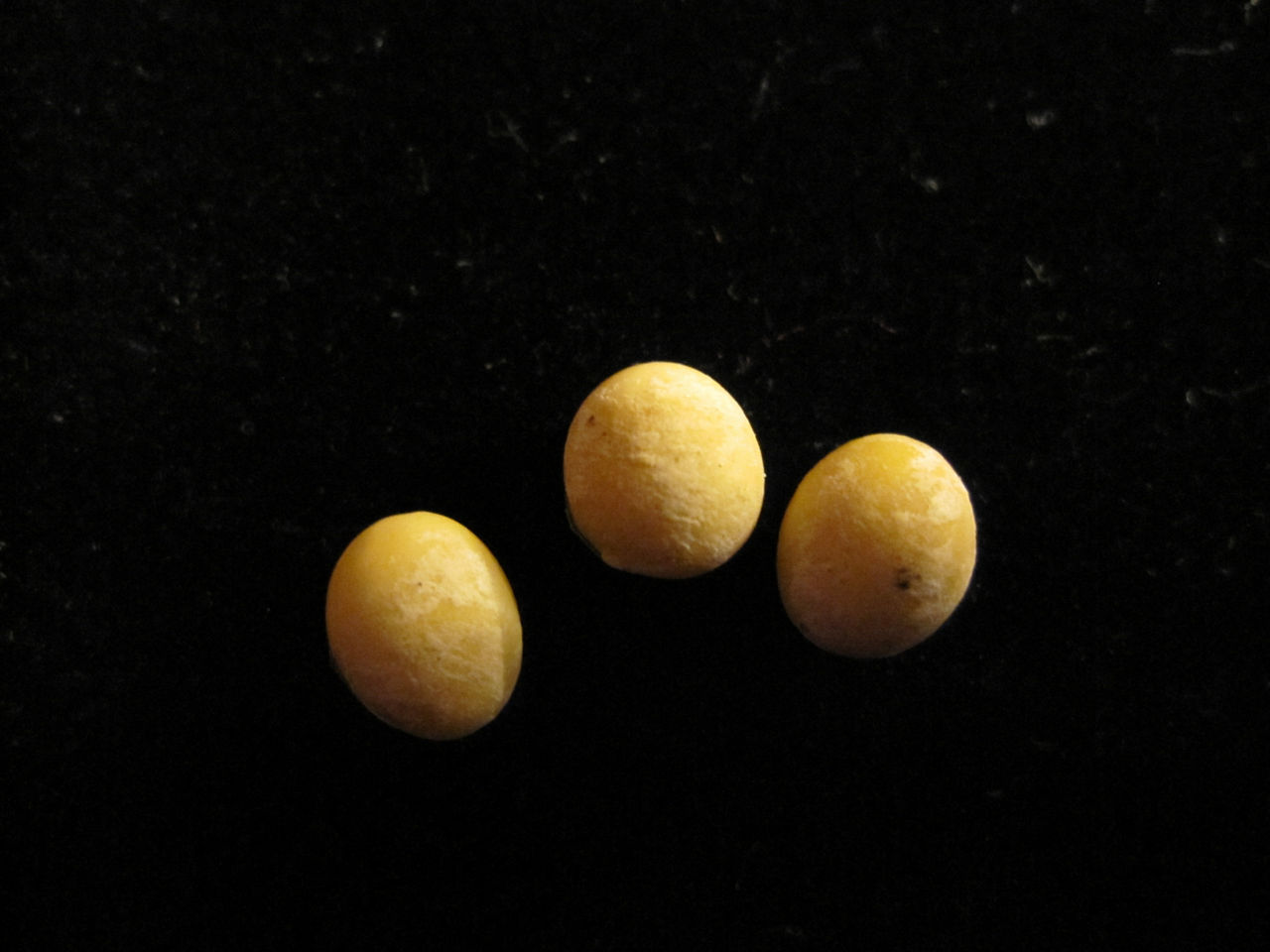
Soybean Diseases Less Likely to Reduce Germination and Seed Quality
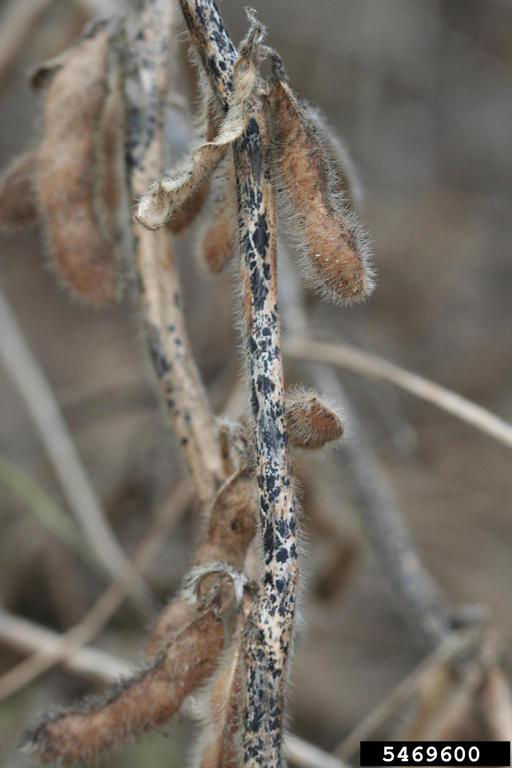
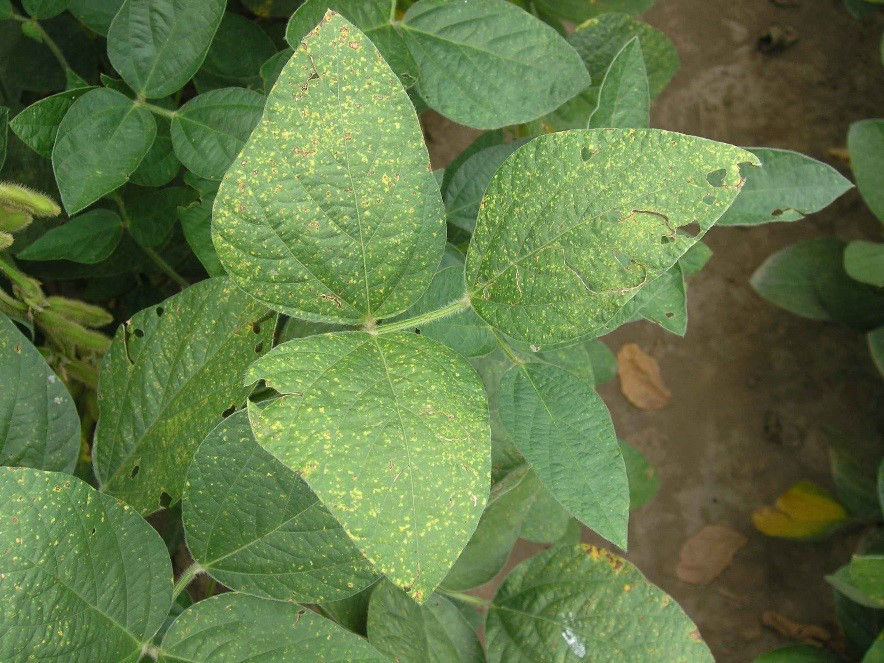
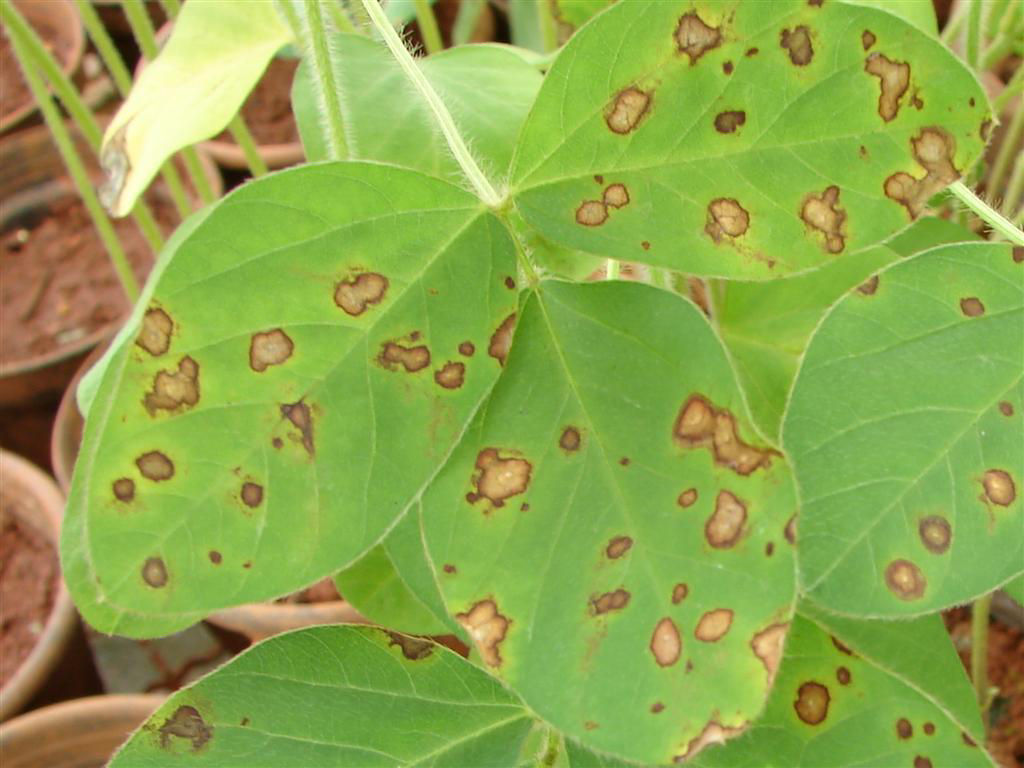
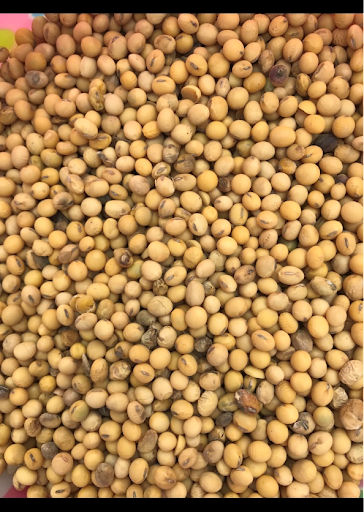
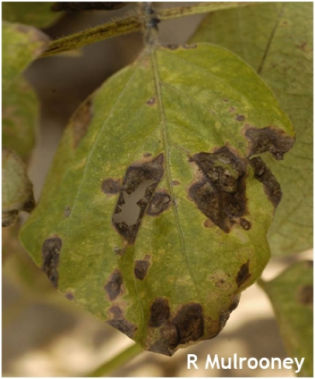
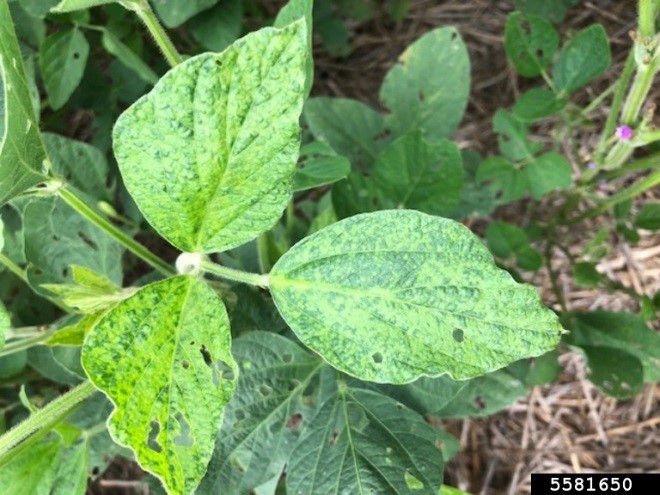
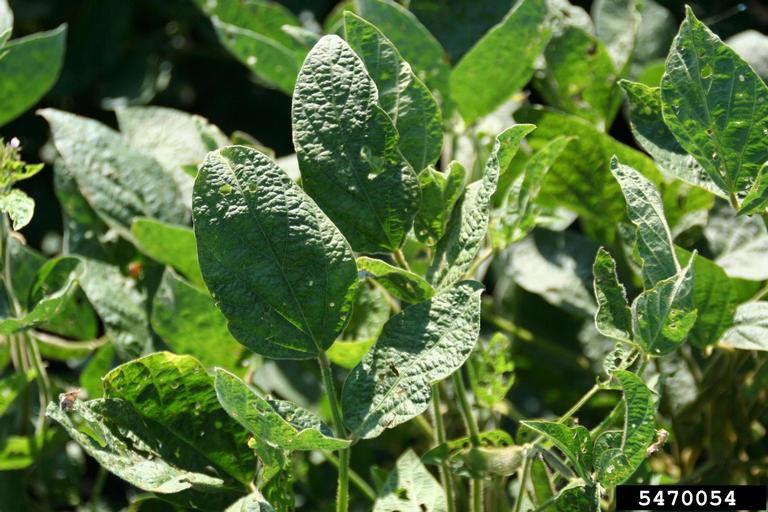
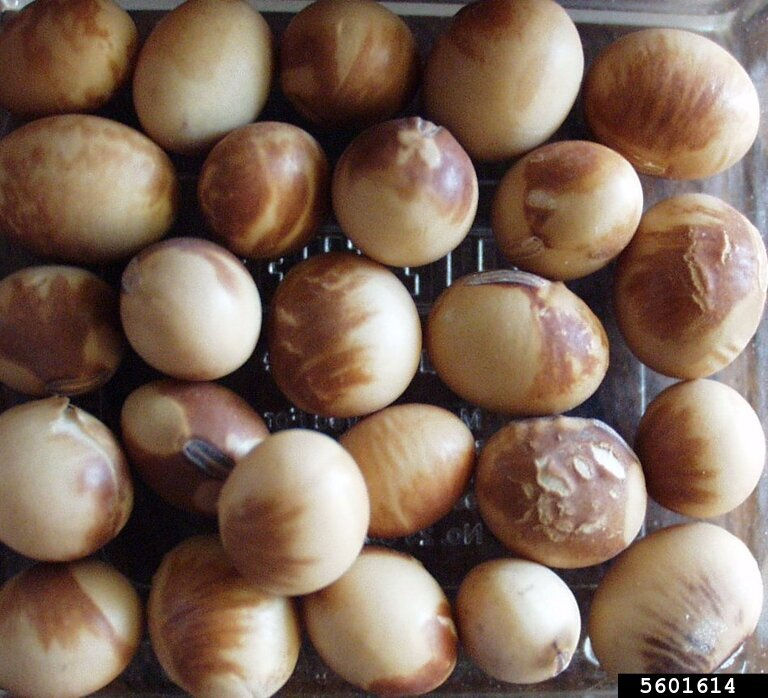
Aspergillus, an infection that occurs while seed is in storage, can reduce seed viability. Cladosporium is a seedborne disease; however, infections are rare. Fusarium seed infection is likely related to an early-season infection.
Sources
1Telenko, D. 2018. Fungal diseases that can impact soybean pod and seed quality. Pest & Crop Newsletter. Extension Entomology. Purdue University. https://extension.entm.purdue.edu/newsletters/pestandcrop/article/fungal-diseases-that-can-impact-soybean-pod-and-seed-quality/.
2Bradley, C. A. 2024. Soybean seed quality issues due to fungal infections. Kentucky Pest News. College of Agriculture, Food and Environment. University of Kentucky. https://kentuckypestnews.wordpress.com/2024/10/15/soybean-seed-quality-issues-due-to-fungal-infections-2/
3Mueller, D., Bradley, C., Chilvers, M., Giesler, L., Mathew, F., Smith, D., Tenuta, A., and Wise, K. 2015. Pod and stem blight and Phomopsis seed decay. Soybean Disease Management. CPN-1007. Crop Protection Network. https://crop-protection-network.s3.amazonaws.com/publications/cpn-1007-pod-and-stem-blight-and-phomopsis-seed-decay.pdf.
4Mangel, D. Pod and stem blight. CropWatch. Institute of Agriculture and Natural Resources. University of Nebraska-Lincoln. https://cropwatch.unl.edu/plant-disease/soybean/pod-and-stem-blight/.
5Pod and stem blight. OSU Extension. Oklahoma State University. https://extension.okstate.edu/programs/digital-diagnostics/plant-diseases/pod-and-stem-blight.html
6Hershman, D.E. 2012. Downy mildew of soybeans. Plant Pathology Fact Sheet. PPFS-AG-S-03. University of Kentucky Cooperative Extension Service. https://publications.mgcafe.uky.edu/sites/publications.ca.uky.edu/files/ppfs-ag-s-03.pdf.
7Westphal, A., Abney, T.S., and Shaner, G. Frogeye leaf spot. 2006. Diseases of Soybean. BP-131-W. Purdue University Department of Botany and Plant Pathology and USDA-ARS. Purdue Extension. Purdue University. https://www.extension.purdue.edu/extmedia/BP/BP-131-W.pdf.
8Liu, B., Klein, R and Strauch, B. 2012. Alternaria leaf spot of soybean. CropWatch. Institute of Agriculture and Natural Resources. University of Nebraska-Lincoln. https://cropwatch.unl.edu/alternaria-leaf-spot-soybean-unl-cropwatch-sept-12-2012/
9Giesler, L. Bean pod mottle virus. CropWatch. Institute of Agriculture and Natural Resources. University of Nebraska-Lincoln. https://cropwatch.unl.edu/plant-disease/soybean/bean-pod-mottle-virus/
10Malvick, D. 2018. Soybean mosaic virus. University of Minnesota Extension. https://extension.umn.edu/soybean-pest-management/soybean-mosaic-virus
Web sources verified 05/26/2026. 1311_143679
Disclaimer
ALWAYS READ AND FOLLOW GRAIN MARKETING AND ALL OTHER STEWARDSHIP PRACTICES AND PESTICIDE LABEL DIRECTIONS.