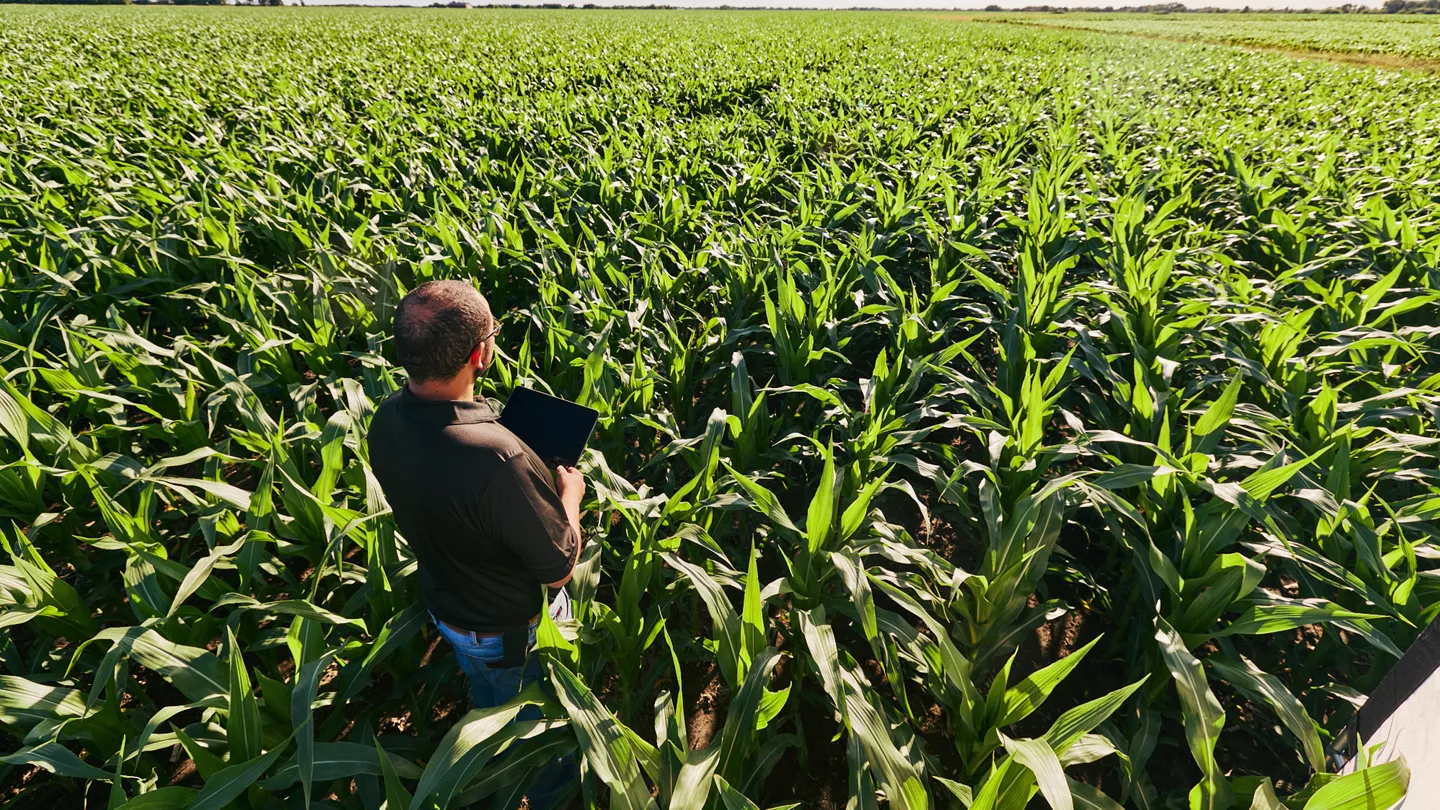
Crop Rotation for Corn Rootworm
Rotating to a nonhost crop, such as soybeans, can help break up the life cycle of corn rootworms by removing their food source. Read more about the benefits of crop rotation here.
What worked last season may not be enough this season. Evaluate corn rootworm pressure every year and adapt your management strategy to help protect your fields and yield potential.
Stay up-to-date on pressure in your area with our Insect Forecast tool.
Rotating to a nonhost crop, such as soybeans, can help break up the life cycle of corn rootworms by removing their food source. Read more about the benefits of crop rotation here.
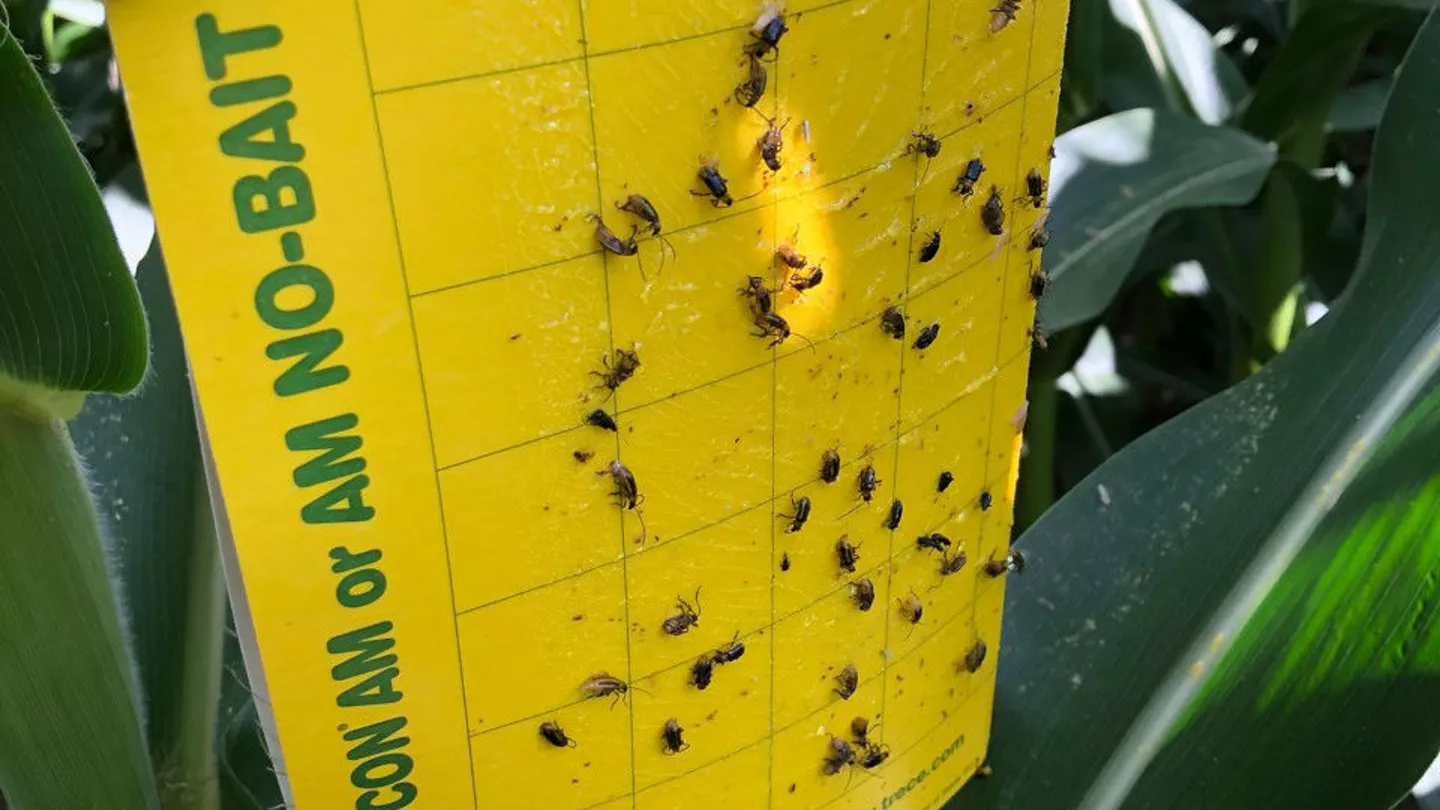
Setting up and monitoring sticky traps is a great way to evaluate beetle pressure in your fields so you can make better management and trait decisions. Check out this article.
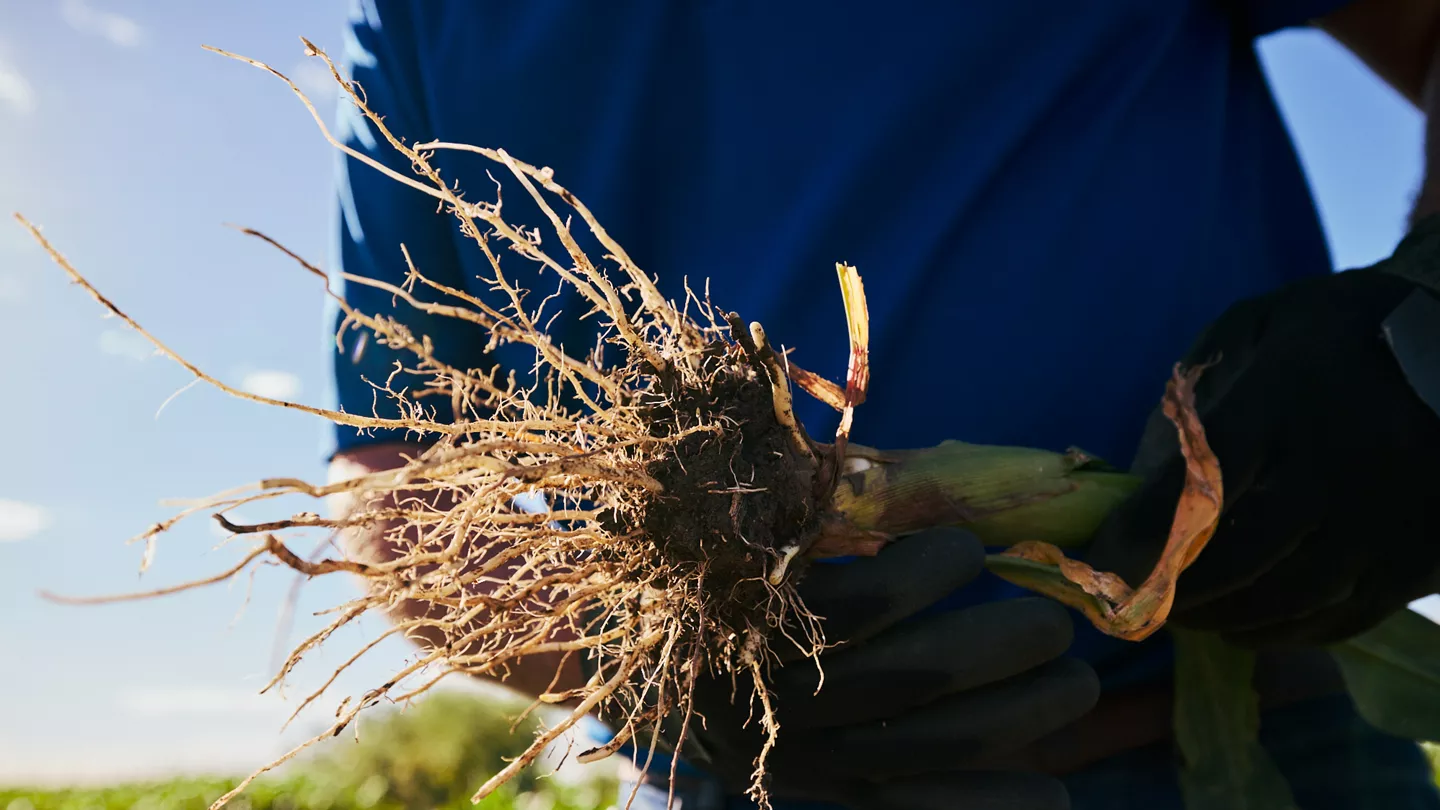
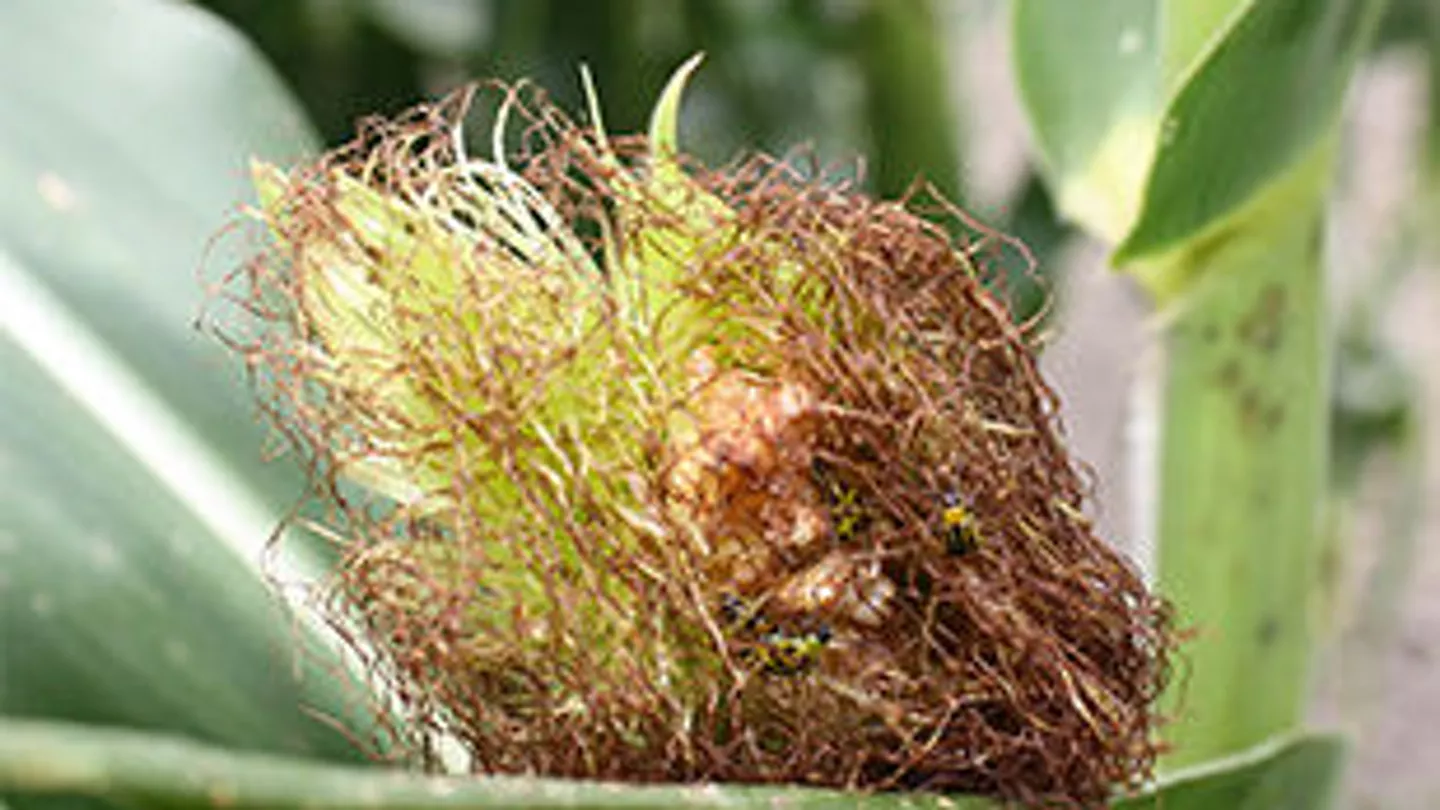
There is no known treatment once corn rootworm damage has been done. Dr. Joseph Spencer from the University of Illinois explains the types of damage done by this costly pest.
We didn’t just bring RNAi Technology to market — we made it possible for the corn industry. By complementing Bt traits with another mode of action, we’re helping farmers stay a step ahead of corn rootworm. Learn more from Technical Agronomist Lance Tarochione in this video.
Scouting fields and collecting data in-season is a key step to help monitor and control corn rootworm. Learn how with FieldView.
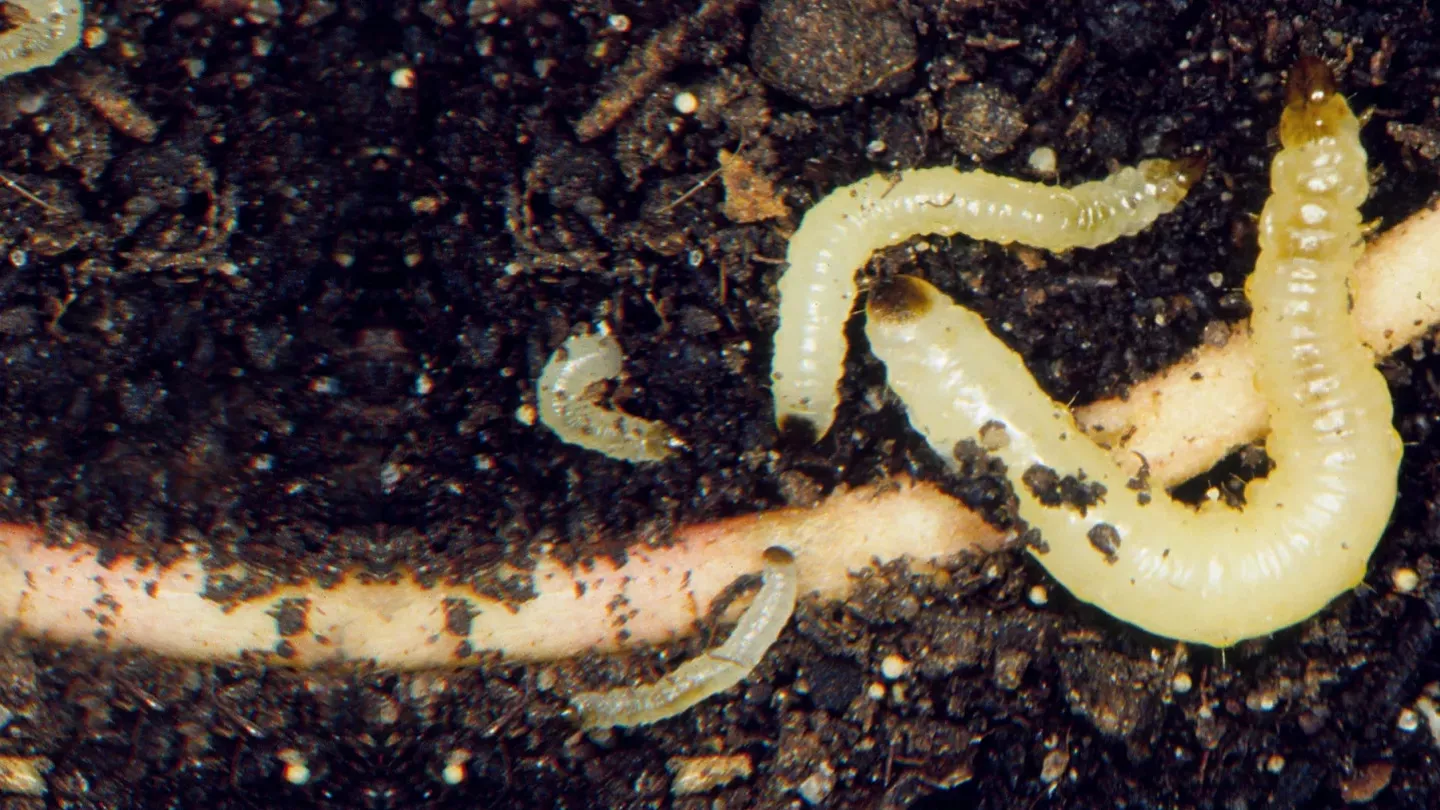
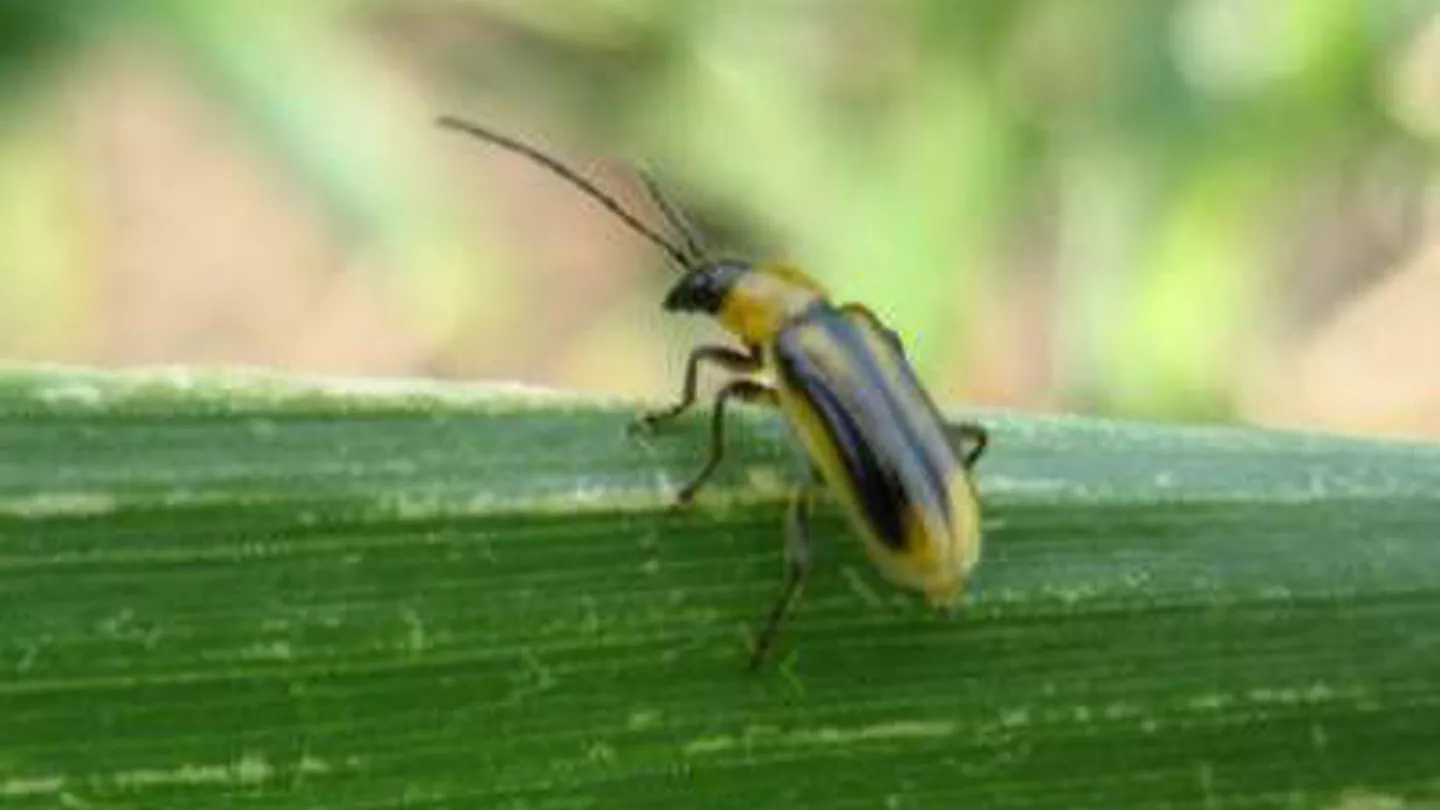
Learn the signs and differences of corn rootworm pests to help better defend against them.
Read More >
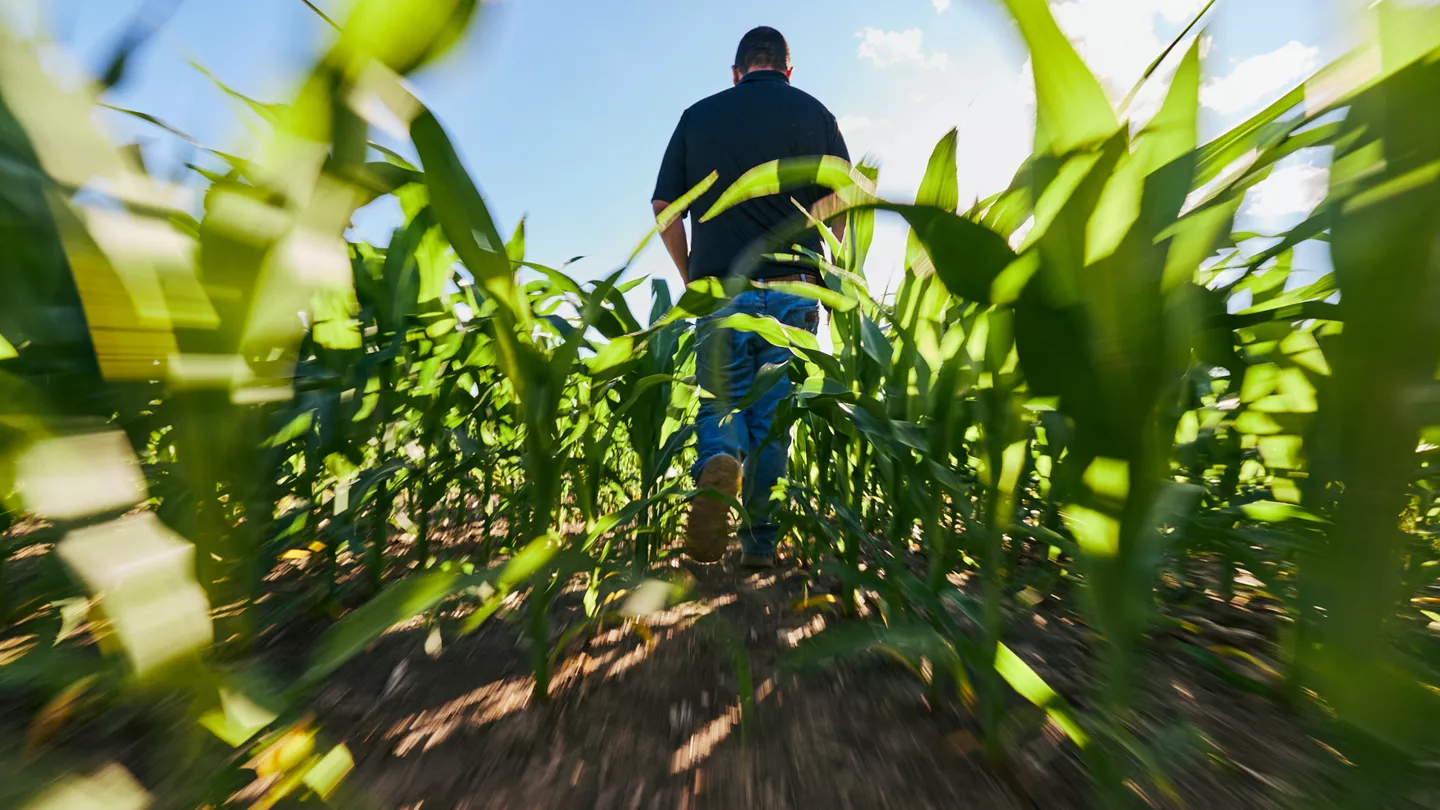
Read why crop rotation is so important and how it’s a top-line defense against corn rootworm.
Read More >
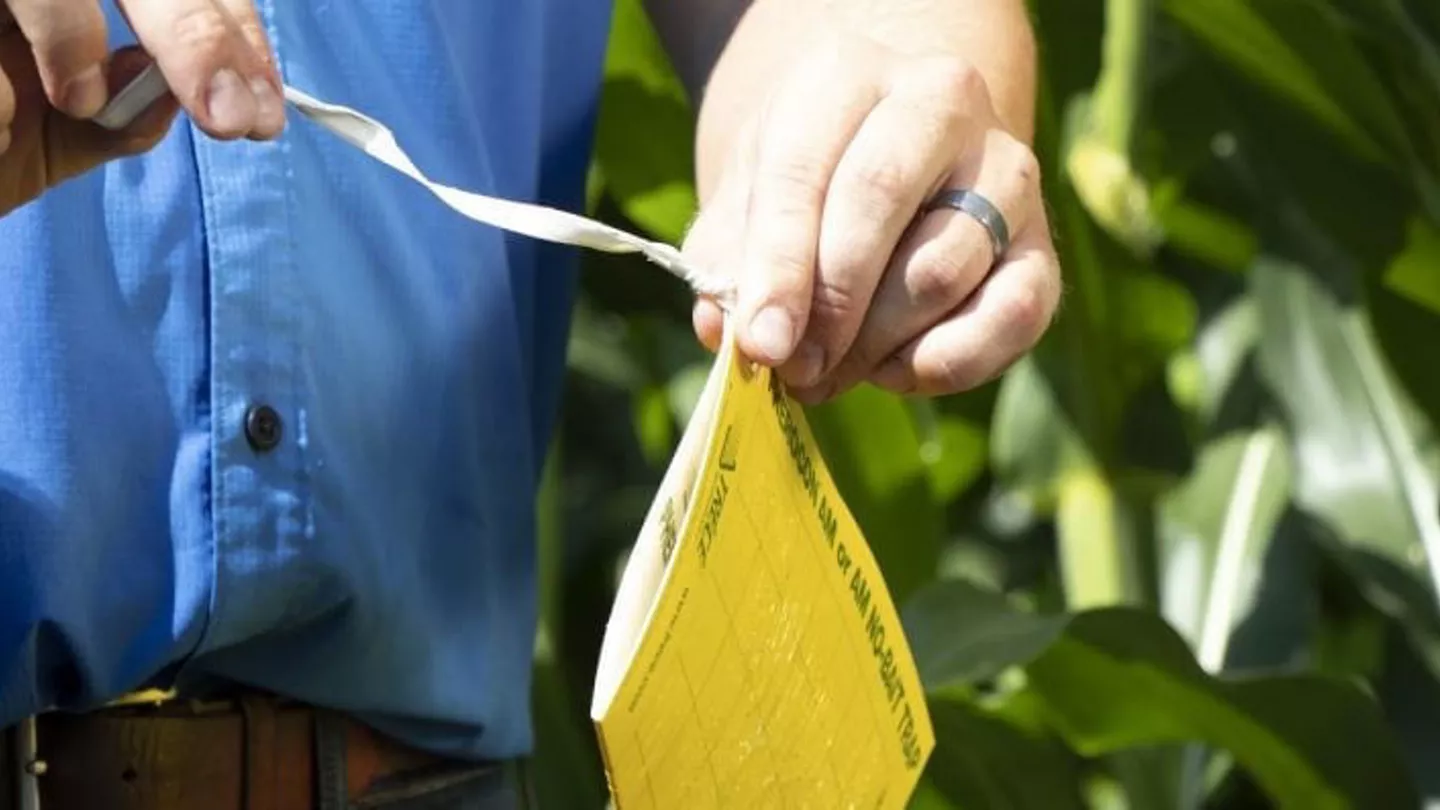
Sticky traps are a great way to monitor adult beetle activity and estimate next season's corn rootworm pressure. The results you get help you make more informed management decisions before planting.
Read More >
ALWAYS READ AND FOLLOW GRAIN MARKETING AND ALL OTHER STEWARDSHIP PRACTICES AND PESTICIDE LABEL DIRECTIONS.