Look to Ear Development to Help Identify Later Season Agronomic Issues
November 17, 2025
Maximizing corn yield potential requires even and consistent plant-to-plant development so each plant has an equal opportunity for limited resources such as water, nutrients, and light. When one plant falls behind in development due to delayed emergence, unequal micro-environment, or early season stress; the plant becomes less competitive for the limited resources. These deficiencies often show up in delayed and smaller ear development.
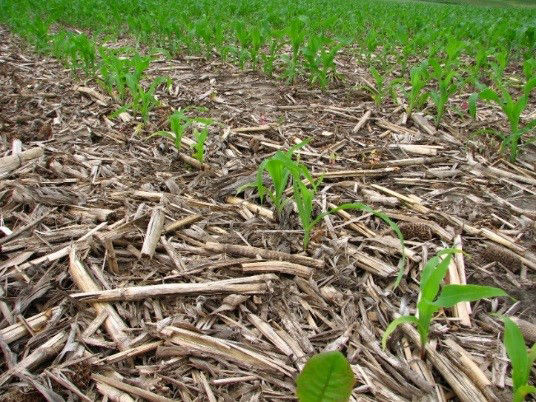
Some areas had an exceptionally wet spring which created challenges for timely planting. As a result, planting was late and at times into unfavorable soil conditions. These conditions may have resulted in ear development issues and negatively affected yield potential. Planting into wet and waterlogged soils may have created side-wall compaction and sub-surface soil compaction layers reducing both root growth and internal soil water drainage. Wet, residue covered soils are cooler and can create pockets within the field with greater differences in micro-environments resulting in larger separations in plant development (Figure 1). Additionally, nitrogen may have been lost due to leaching or denitrification and other nutrients may be less available due to restricted root development.
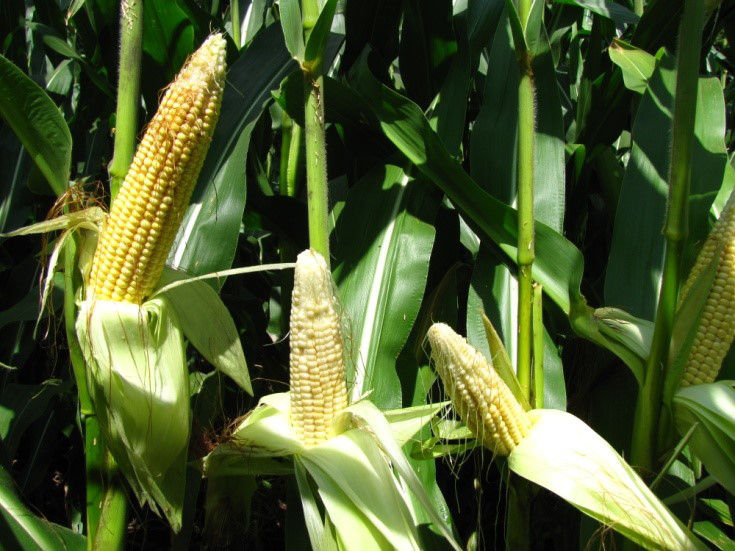
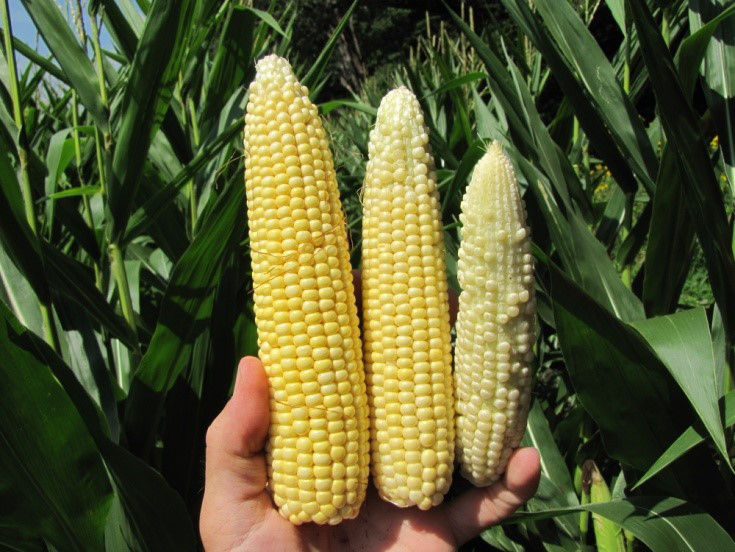
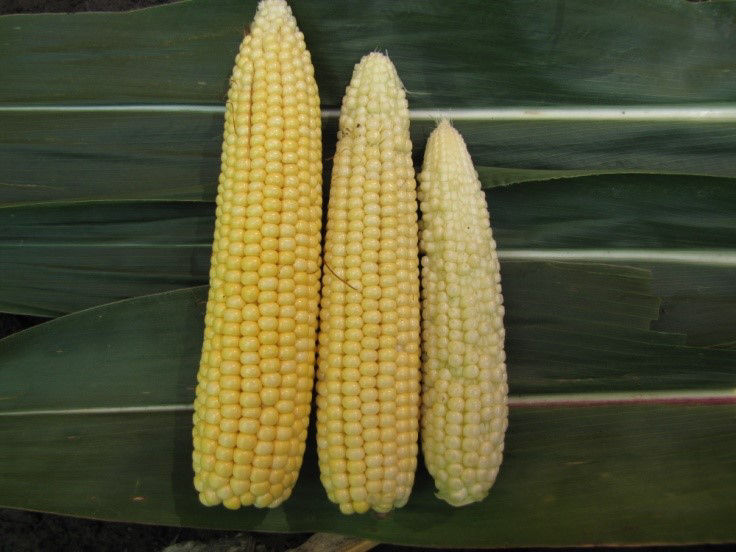
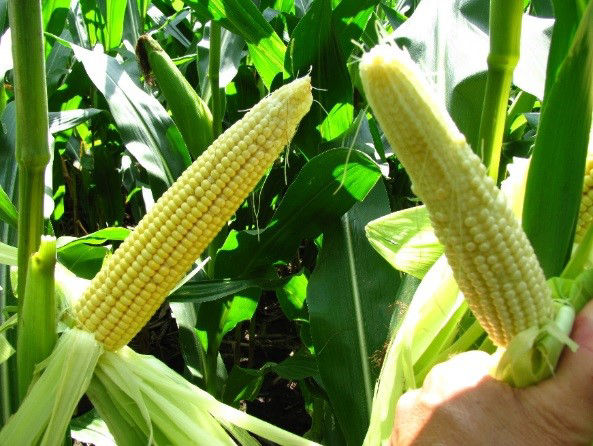
Scouting corn fields prior to harvest is a good learning opportunity to identify these ambiguous early season problems becoming prominent in mid- and late-season crop development. Look for plants that may be shorter in height, have lower ear placement and smaller stalk diameter, with ears delayed in silking, pollination, and ultimately reduced kernel set (Figures 2 through 5). If plants with these symptoms are found, attempt to identify the cause. Dig roots to evaluate planting depth, look for restricted root growth horizontally and vertically, evaluate overall root health and evidence of root injury from disease and insects. Also look at the soil surface for evidence of excessive residue, open seed slot or ponding of water. Finally compare spacing between plants, unevenly spaced plants can accentuate growth inequities.
Looking directly at how ear development is affected by stressors earlier in the season can be a real learning experience. Identifying these issues late-season cannot alter the outcome prior to harvest, but it can help address issues with planter settings, planting process, tillage, and future tillage needs.
Todd Vagts
Channel Agronomist
For additional information on ear development, please visit Tassel Wrap in Corn, Harvest Watchouts after too Much Early Season Rain & Management, and Abnormal Corn Ear Development.
1110_676202
Disclaimer
ALWAYS READ AND FOLLOW GRAIN MARKETING AND ALL OTHER STEWARDSHIP PRACTICES AND PESTICIDE LABEL DIRECTIONS.