Mixing Guidelines for Convintro™ Herbicide with Tank Mix Partners
November 12, 2026
Get Year-Round Updates From Our Agronomic Experts
Key Takeaways
- Always pair Convintro™ Herbicide with appropriate tank mix partners. Its targeted activity on pigweeds requires additional herbicides to broaden weed control.
- Keep the mixture moving—and apply promptly. Convintro™ Herbicide may settle without continuous agitation, so maintain agitation during mixing and spraying, and avoid leaving prepared mixtures standing.
- Make equipment preparation and cleanout a priority. Start with a clean sprayer and spray parts, then thoroughly clean the entire system after application to help prevent exposure or injury to non-target crops.
What to know about Tank Mixing with Convintro™ Herbicide
Convintro™ Herbicide is a Group 12 selective herbicide with specific activity on Amaranthus weed species (pigweeds). It may be applied preplant and preemergence in corn and soybean crops. Convintro™ Herbicide MUST be tank mixed with an appropriate tank mix partner(s) to help broaden the spectrum of weed control.
Convintro™ Herbicide may be used with appropriate pesticides, fertilizers, and micronutrients. If the potential tank mix partner is not specifically recommended, a compatibility jar test MUST be made prior to mixing the products in the sprayer tank.
It is also recommended to determine the hardness of the water being used to combat any cation antagonism associated with positively charged hard water and negatively charged herbicide molecules. If the water is deemed hard, ammonium sulfate (AMS) may be needed to reduce the potential antagonism. Herbicide effectiveness may be reduced when hard water is not conditioned.
Convintro Herbicide Known Watchouts
- Convintro herbicide is a suspension concentrate (SC) and may settle in the tank without continuous agitation.
- It is NOT recommended to mix ammonia thiosulfate (ATS) and Convintro herbicide as insoluble materials may be created.
- DO NOT tank mix Convintro herbicide with isoxaflutole containing products.
Mix Only What You Need
Before mixing, determine the acreage to be treated and calculate the spray volume needed using the planned gallons per acre, consistent with label requirements. Use this total and the sprayer’s tank capacity to plan each tank mix load, and calculate the amount of Convintro herbicide and each tank mix partner needed at their labeled application rates. DO NOT prepare more spray mixture than needed for the acreage to be treated. Remember to maintain agitation and spray immediately after mixing. Always read and follow the Convintro herbicide label and the labels of all tank mix partners.1
Sprayer and Tank Maintenance Prior to Tank Mixing Convintro Herbicide
When using Convintro herbicide, make sure the sprayer is completely clean, free of rust or corrosion which may occur from winter storage. Examine strainers and screens to be sure the sprayer is clean from previously used pesticides. Ensure that all inline strainer and nozzle screens in the sprayer are 50 mesh or coarser. DO NOT use screens finer than 50 mesh.
Spray Tank Agitation with Convintro Herbicide
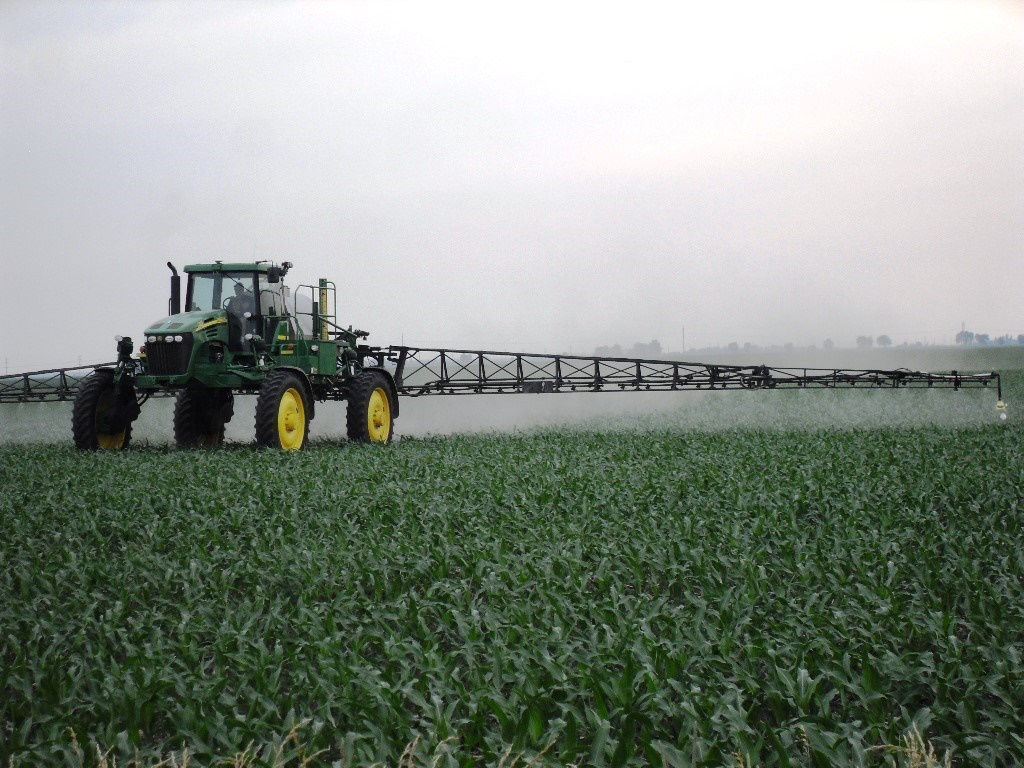
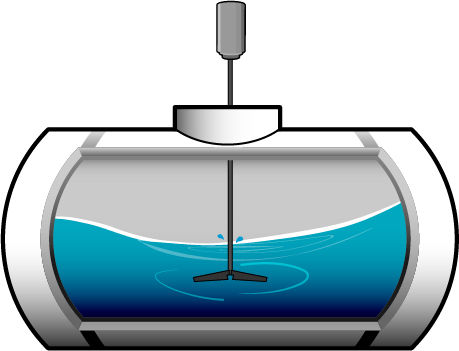
Any tank mix containing Convintro herbicide MUST be kept agitated and sprayed out immediately (Figure 1). DO NOT allow tank mixes to stand for prolonged periods of time.
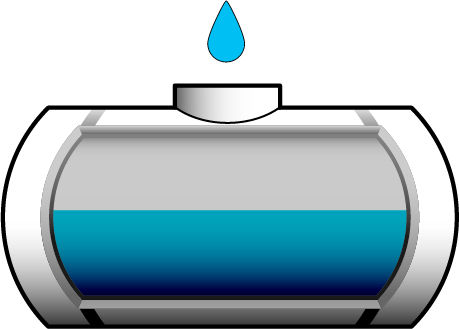
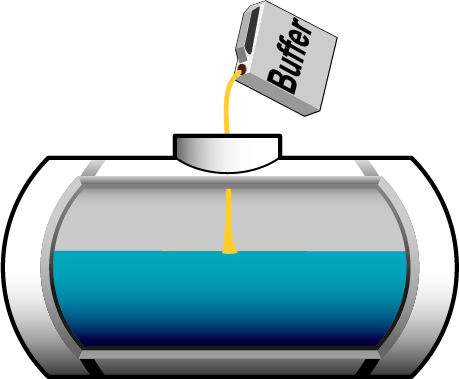
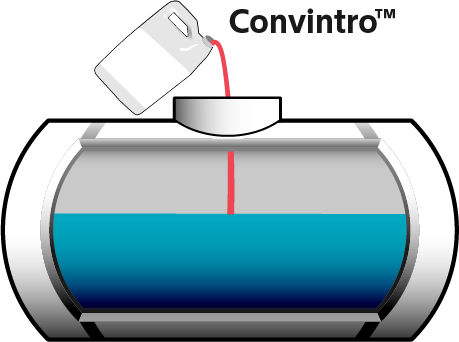
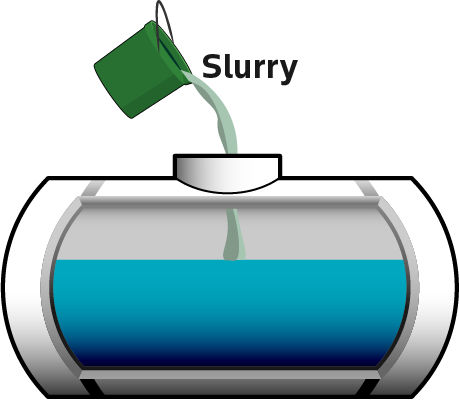
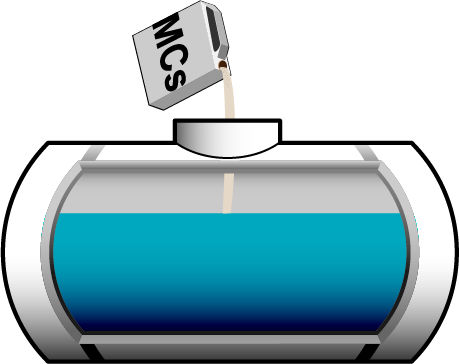
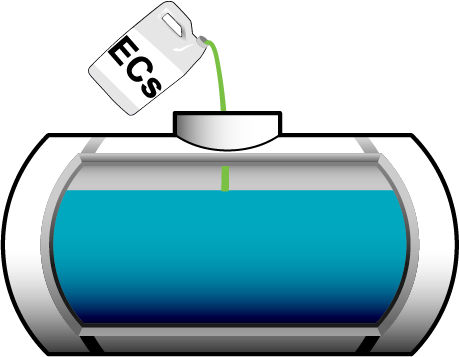
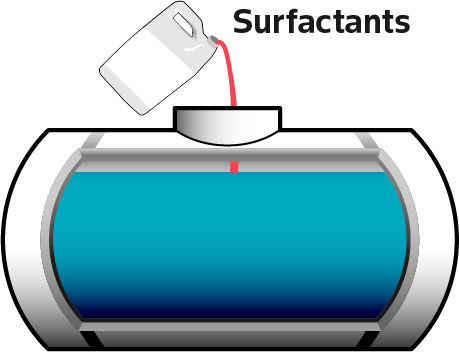
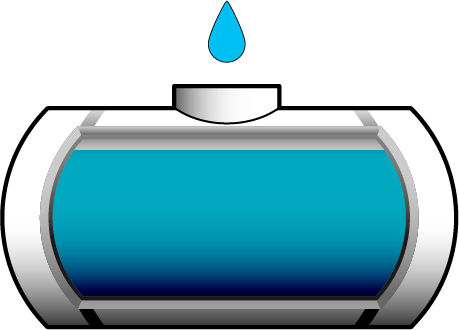
Step-by-Step Graphic Examples for Mixing Convintro Herbicide with Tank Mix Partners
Always refer to the Convintro herbicide label and the labels of tank mix partners (pesticides, fertilizers, micronutrients) for tank mixing guidelines. Throughout the process, tank agitation should be maintained. When the tank loading is complete, maintain agitation and spray the corn or soybean field with the mixture until the tank is empty.
If more mixture is required to complete the acreage, repeat the tank mixture steps and mix only what is needed for the acreage to be sprayed.
Equipment Cleanout Procedures after Spraying Convintro Herbicide Tank Mixes
To avoid injury or exposure to non-target crops, thoroughly clean all mixing and spray equipment, including pumps, nozzles, lines and screens with a good quality tank cleaner, on an approved rinse pad or on the field site where an approved crop is to be grown.
- Flush tank, hoses, boom, and nozzles with clean water.
- Use a pressure washer with a high-quality commercial spray tank cleaner in water to clean the inside of the spray tank. Take care to wash all parts of the tank, including the upper portion of the inside of the tank.
- If a pressure washer is not available, completely fill the sprayer with the cleaning solution to ensure contact of the cleaning solution with all internal surfaces of the tank and plumbing.
- Start agitation in the sprayer and thoroughly recirculate the cleaning solution for at least 15 minutes. All visible deposits must be removed from the spraying system.
- Flush hoses, spray lines, and nozzles for at least 1 minute with the cleaning solution.
- Dispose of rinsate from steps 1-3 in an appropriate manner.
- Repeat steps 2-4.
- Remove nozzles, screens, and strainers and clean separately in the cleaning solution after completing the above procedures.
- Rinse the complete spraying system with clean water.
Summary
Proper tank mixing and sprayer management help support effective weed control with Convintro herbicide and its required tank mix partners. Confirm compatibility, follow the recommended mixing sequence, and prepare only the volume needed for the acreage being treated. Maintain continuous agitation and apply immediately after mixing, then thoroughly clean the spraying system to help prevent exposure or injury to non-target crops. Remember to always read and follow the Convintro herbicide label and the labels of all tank mix partners.
For more information about Convintro™ Herbicide, visit: https://www.cropscience.bayer.us/brands/crop-protection/convintro
Sources
1Bayer CropScience LLC. (2026). Convintro herbicide [Pesticide product label]. CDMS. https://www.cdms.net/ldat/ldK83000.pdf
Web sources verified 10/27/2026. 1126_971150
Disclaimer
ALWAYS READ AND FOLLOW GRAIN MARKETING AND ALL OTHER STEWARDSHIP PRACTICES AND PESTICIDE LABEL DIRECTIONS.