Integrated Weed Management for Resistant Palmer Amaranth and Waterhemp
August 25, 2026
Get Year-Round Updates From Our Agronomic Experts
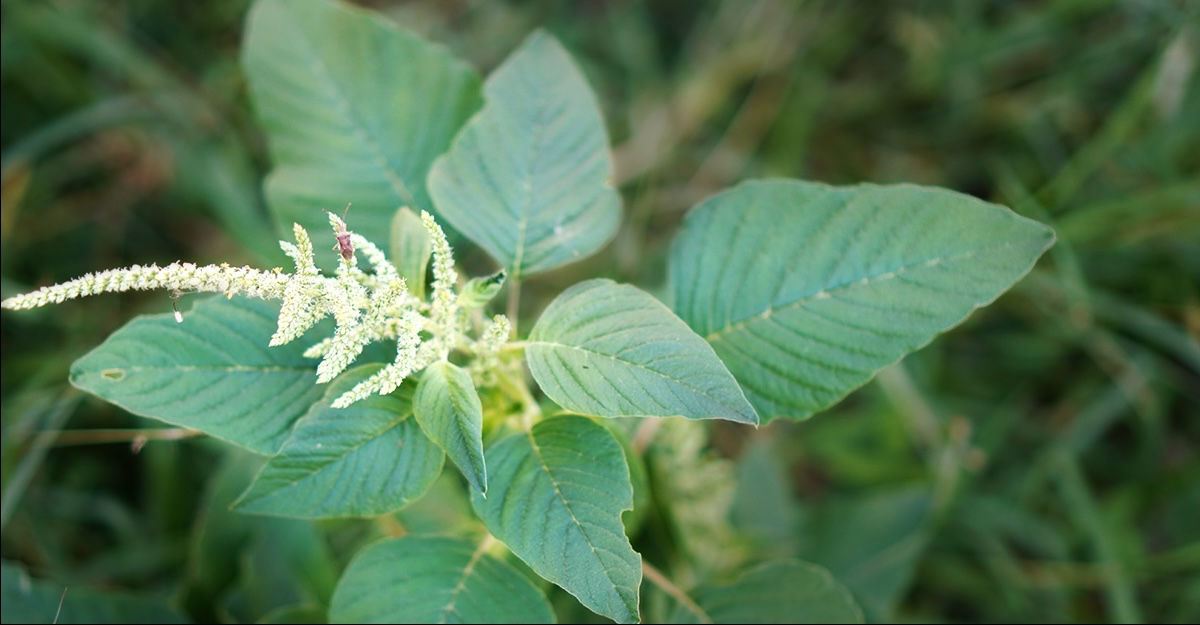
What Makes Palmer Amaranth & Waterhemp Different from Other Weeds?
If you think Palmer amaranth (Amaranthus palmeri) and common waterhemp (Amaranthus rudis) are just "tough pigweeds," think again. These resistant weeds have evolved from manageable nuisances to economic bothers that can impact entire fields, farming operations, and existing herbicide programs.
Achieving full-season control requires a multi-faceted approach that goes far beyond just herbicide applications.1 These resistant weeds are getting smarter fast — but they’re not unstoppable if you know how to pivot.
So how do you stay ahead? Here’s the six-pillar plan.
Palmer Amaranth & Waterhemp Six-Pillar Integrated Pest Management Strategy
Fighting these weeds requires more than just switching herbicides. You need a comprehensive plan built on six core strategies.
Pillar 1: Build a Corn & Soybean Herbicide Foundation
University research consistently shows that pre-emergence herbicides with multiple modes of action (MOA) give you the best shot at early control and slowing resistance development.2
Your Corn & Soybean Crop Protection Game Plan:
- Layer different residual chemistries (Group 2, 14, 15, plus new Group 12 like Convintro™
- Use full labeled rates – cutting rates invites resistance
- Tank-mix compatible MOAs for broader-spectrum control
- Avoid over-relying on the same post chemistries on the same acres year-over-year
"So what we're looking at now is more of a zero-tolerance policy where we're trying our best to make sure that we're not having any weeds go to seed in that field," emphasizes Cody Evans.3
For Corn & Soybean Post-Emergent Herbicide Applications:
- Hit them early (under 4 inches) when they're most vulnerable
- Add residual herbicides to extend your control window
- Scout religiously to catch escapes before they reproduce
- Have backup plans for any escapes
Pillar 2: Cover Crops and Crop Diversity That Actually Work
Nebraska’s long-term cover crop research shows these are legitimate weed management tools. “Cover crops provide both physical suppression and altered soil conditions that can reduce weed emergence.” Species selection and timing matter.4
The proven winners are clear. Fall-planted cereal rye emerged as growers’ best bet for early suppression and natural weed-fighting compounds, with brassica, grass, and legumes producing similar results.3
Cover Crop Rotation Strategies:
- High-biomass cover crops: Use rye, triticale, or multi-species covers to shade out pigweed and suppress germination
- Rotate to small grains or alfalfa where possible to break weed cycles
- Use diverse cropping systems that enable different herbicide programs
- Choose crop rotations that allow different MOAs (e.g., atrazine in corn; fall-applied residuals in small grains)
Pillar 3: Corn & Soybean Planting and Management Best Practices
Small changes in how you plant and manage can tip the balance. Nebraska research shows that narrow row spacing helps suppress weeds and boost yields in both corn and soybeans. Faster canopy closure increases crop competition for light, helping suppress late emerging waterhemp.
Proven competitive advantages:
- Narrow row spacing (15 inches or less in soybeans) for faster canopy closure
- Higher seeding rates to crowd out emerging weeds
- Strategic planting dates to give your crop the head start
- Timely cultivation when herbicides aren't enough
- Targeted tillage early can bury seeds and destroy seedlings; minimize soil disturbance long-term to avoid bringing up new seedbanks
- Inter-row cultivation for mechanical weed control and escape management
Pillar 4: Strategic Scouting and Precision Management
Early detection turns small problems into manageable ones. Late detection turns manageable problems into costly ones. Use structured scouting and the tools you have.
Critical Corn & Soybean Scouting Windows for Palmer Amaranth & Waterhemp:
- Pre-plant: What survived winter and Preemergence application.
- Post-emergence: Evaluate herbicide performance 7–14 days after application
- Mid-season: Find escapes before seed set
- Pre-harvest: Map problem areas for next year
Precision technology advantages:
- Drone and satellite imagery for rapid weed mapping and early intervention
- Digital scouting apps help record escapes and resistance patterns for smarter management
- GPS mapping of problem areas for targeted treatment
- Variable rate applications to match chemistry to weed pressure
Pillar 5: Harvest Weed Seed Control (HWSC) Options for Palmer Amaranth & Waterhemp
The newest weapon in the integrated management arsenal targets weeds at harvest when they're most concentrated and vulnerable.
Harvest Weed Seed Control (HWSC) options:
- Chaff lining systems concentrate weed seeds in tramlines for targeted control
- Weed seed destructors physically destroy seeds during harvest
- Narrow windrow burning (where permitted) eliminates seeds in concentrated areas
Containment strategies:
- Clean equipment between fields—especially combines and tillage equipment
- Manage field edges and ditches where weeds establish and spread
- Control traffic patterns to prevent seed hitchhikers
- Monitor non-crop areas for early infestations
Pillar 6: Equipment Sanitation and Prevention
Smart Harvest Management:
Before you even think about cleaning, get smart about harvest order:
- Harvest clean fields first, weedy fields last
- Cut around heavy weed patches and save those areas for last
- Hand rogue small pigweed populations before harvest
- Scout and mark problem areas for extra caution
Essential Sanitation Management Practices for Palmer Amaranth and Waterhemp:
- Clean combines between fields (see 30-minute protocol)
- Pressure-wash all equipment before moving between farms
- Clean tillage equipment, planters, applicators, and trucks for seed residue
- Quarantine suspect fields until you confirm what resistance you're dealing with
- Choose cleaning locations strategically - use feedlot areas or dryland zones where seeds won't establish
Sources
1Flessner, M., Russell, E., and Unglesbee, E. Harvest weed seed control. GROW. https://growiwm.org/how-harvest-weed-seed-control/
2Hartzler, B. Effectiveness of using multiple sites of action to manage resistance. Iowa State University Extension and Outreach. Integrated Crop Management Encyclopedia.https://crops.extension.iastate.edu/encyclopedia/effectiveness-using-multiple-sites-action-manage-resistance
3Evans, C. (2024). Personal interview. [Unpublished; on file with author
4Kumar, V., Singh, M., Thapa, R., Yadav, A., Blanco, H., Wortman, S., Taghvaeian, S., and Jhala, A. 2025. Managing pigweeds with cover crops: What we’ve learned from 30 years of data. CROPWATCH. University of Nebraska-Lincoln. https://cropwatch.unl.edu/managing-pigweeds-cover-crops-what-weve-learned-30-years-data/
934740CP
Disclaimer
ALWAYS READ AND FOLLOW GRAIN MARKETING AND ALL OTHER STEWARDSHIP PRACTICES AND PESTICIDE LABEL DIRECTIONS.