Regional Weed Management Strategies for Palmer Amaranth & Waterhemp for Corn & Soybean Farmers
August 26, 2026
Get Year-Round Updates From Our Agronomic Experts
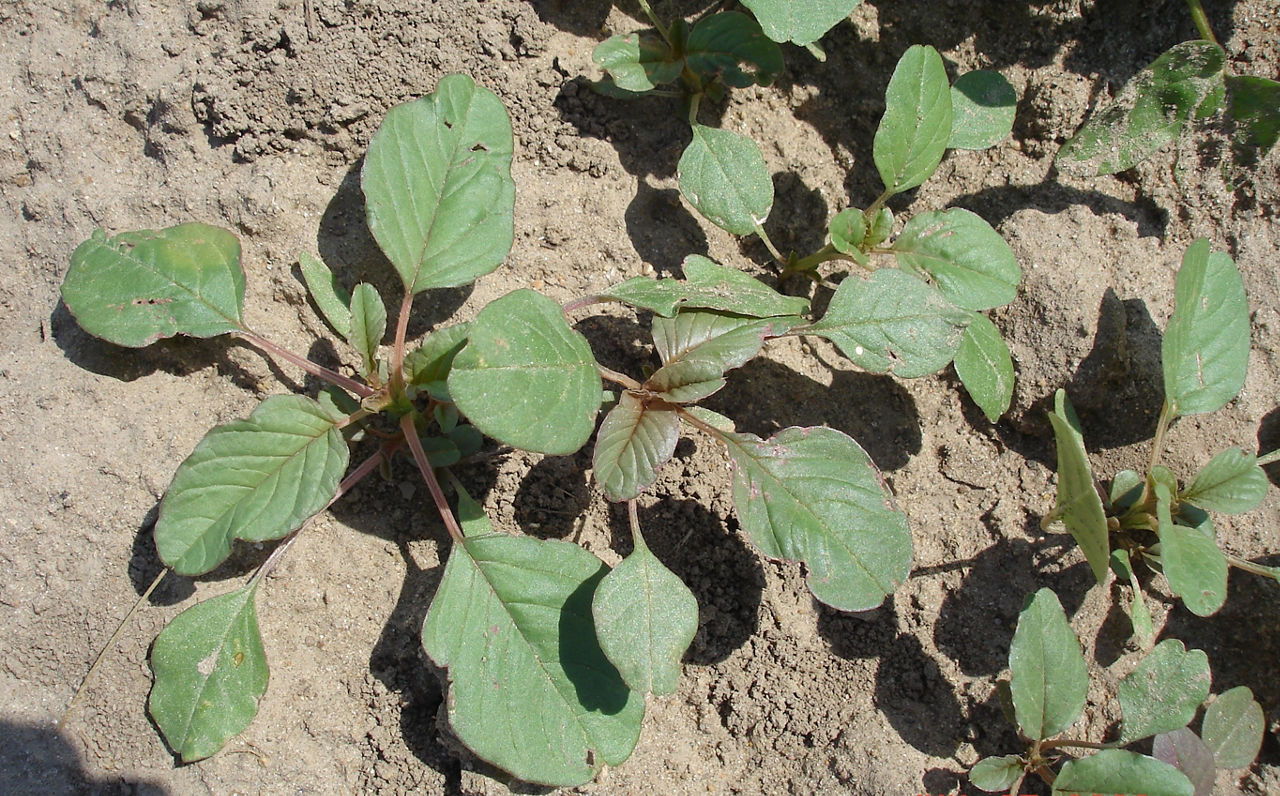
Herbicide resistance is here, and your opponent depends on your zip code. Palmer amaranth is prevalent in the South; waterhemp is widespread in the North, and generic strategies lose to regional expertise every time.
Geography Determines Palmer Amaranth & Waterhemp Weed Management Strategy
One farmer's Palmer problem is another's waterhemp hassle. The resistance landscape changes dramatically from north to south, with each region facing challenges that call for specialized tactics.
Recent examples include dicamba-resistant waterhemp discovered in Iowa1 and Palmer amaranth's continued northward march into Wisconsin and other northern states.2 Controlling resistant populations in one region often fails in another.
Regional Palmer Amaranth & Waterhemp Weed Management Approaches
The days of nationwide herbicide programs are over. Regional weed management requires regionally tailored tools:
- North: New chemistry solutions against resistant waterhemp
- Midwest: Strategies for intense pressure and multiple resistance
- Southeast: Zero-tolerance tactics borrowed from cotton IPM
- Delta: Escape routes from the soy-on-soy trap
- Central Plains: Multi-species field strategies
Regional Pigweed Management Playbook for Palmer Amaranth & Waterhemp
NORTHERN REGION: Waterhemp Weed Management for Minnesota, Northern Illinois, and Wisconsin
Regional Challenge: Cool, wet spring conditions compress application windows when you need early season control most.
Timing becomes everything in northern systems—a post-emergence herbicide works best when waterhemp is under 3 inches tall, but cool; wet springs often delay planting and compress application windows.
Northern Region-Specific Tactics for Managing Waterhemp:
- Cool-soil activation: Choose residuals that work in 50 to 60° F soil temperatures
- Extended emergence windows: Plan for waterhemp emergence through July in northern systems
- Canopy race strategy: Narrow-row soybeans (15 inch or narrower) accelerate closure before late waterhemp flushes
- Hand-pulling enforcement: Remove every escaped plant before seed set—critical in shorter seasons
Regional Reality: When POST programs struggle in challenging northern climates, front-loaded residual programs become essential. Zero tolerance matters more with shorter, frost-free periods.
MIDWEST REGION: Palmer Amaranth & Waterhemp Weed Management for Iowa, Indiana, Missouri & Kentucky
Your Opponent: Waterhemp with stacked resistance up to 6+ herbicide groups; Palmer infiltration in southern areas.
Regional Challenge: Standard programs may struggle. When your post emergence programs stop working, alternatives are needed.
If you're farming in Iowa, Missouri, Indiana, or Kentucky, you're seeing the evolution of waterhemp resistance in a unique way. This is where waterhemp populations with resistance to seven or eight herbicide groups aren't just theoretical—they may be in your fields.1 This has been the case in Central Illinois: "We're mainly looking at populations of waterhemp that are resistant to quite a few of the different commercially available herbicides," explains Cody Evans, Regional Agronomist with Bayer Crop Science.3
Midwest Region-Specific Tactics for Managing Palmer Amaranth & Waterhemp:
- Layered residual programs: Multiple modes of action at planting + different chemistries post-emergence
- Intensive rotation: Rotate herbicide groups annually
- Technology integration: Precision sprayers target resistance hotspots while preserving chemistry elsewhere
- Extended scouting: Monitor through August—waterhemp emergence extends later in longer growing seasons
Regional Reality: Intensive corn-soy rotations demand chemistry rotations that are just as consistent.
CENTRAL PLAINS REGION: Palmer Amaranth, Waterhemp & Kochia Weed Management for Nebraska, Kansas, & Colorado
Your Opponent: Expanding waterhemp pressure (eastern areas) plus traditional kochia; Palmer creeping north.
Regional Challenge: Weather extremes from drought to deluge within the same season—your program needs to work in both.
Kochia remains the traditional Plains' opponent, but the weed spectrum is expanding. Waterhemp is creeping west into eastern Nebraska and Kansas, while Palmer amaranth pushes north. Choose herbicides that activate consistently whether you get 2 inches or 8 inches of spring rainfall.
Central Plains Region-Specific Tactics for Managing Palmer Amaranth, Waterhemp, & Kochia:
- Moisture-flexible chemistry: Products that activate consistently whether you get 2 inches or 8 inches spring rainfall
- Multi-species programs: Target kochia + expanding waterhemp + Palmer prevention simultaneously
- Conservation compatibility: Precision application through crop residue in no-till/strip-till systems
- Early species identification: Scout for unfamiliar weeds—early detection helps prevent establishment
Regional Reality: Variable moisture rules everything. Choose herbicides that don't depend on perfect spring conditions that may never come.
DELTA REGION: Palmer Amaranth Weed Management for Arkansas, Louisiana, & Mississippi
Your Opponent: Palmer amaranth in continuous soybean systems; spring flooding spreads resistance.
Regional Challenge: Continuous soybeans can be a successful rotation; however, the practice can create an environment where Palmer can flourish. Add spring floods spreading resistant seed, and you may see resistance issues.
Delta Region - Specific Tactics for Managing Palmer Amaranth:
- Flood-resistant programs: Heavy pre-emergence applications before potential spring inundation
- Equipment sanitation: Clean machines thoroughly when moving between fields
- Pre-harvest : Remove, manually if necessary, any Palmer amaranth plants prior to setting seed to help avoid spreading Palmer seed
- Double-crop readiness: Front-load residuals for tight wheat-to-soy windows with no comeback time
Regional Reality: River bottom agriculture means zero margin for error. Prevention costs less than the alternative when flooding can wash problems across the landscape.
SOUTHEAST REGION: Palmer Amaranth Weed Management for Alabama, Georgia, North Carolina, South Carolina & Florida
Your Opponent: Palmer amaranth, spread from the southwest along with its high genetic diversity and resistance potential.
Regional Challenge: Palmer's longevity in the area means maximum resistance potential—but also decades of proven management experience.
Georgia, Alabama, and the Carolinas have been fighting Palmer for the past 50 years4, giving Southern growers a crucial advantage with zero-tolerance approaches from cotton systems.
Southeast Region-Specific Tactics for Palmer:
- Cotton IPM adaptation: Apply proven zero-tolerance approaches from cotton to soybean systems
- Aggressive pre-emergence: Maximum residual rates prevent Palmer establishment better than cleanup attempts
- Daily scouting protocol: Never let Palmer reach reproductive stage—every flowering plant creates future problems
- Rotation diversification: Cotton-corn-soy-peanut rotations offer herbicide diversity continuous systems can't match
Regional Reality: Southern growers have a learning advantage—decades of Palmer experience. The key is applying that zero-tolerance mindset consistently across all crops.
Deploy Your Regional Intelligence
Your location determines your opponent, and regional problems demand regional solutions. Recent research confirms what regional experts have long understood: resistance patterns vary dramatically by geography, making location-specific strategies essential for effective control.
Key Regional Takeaways:
- North: Cool-season activation and extended emergence management
- Midwest: Multiple MOA layering for stacked resistance
- Plains: Variable moisture reliability for expanding weed spectrum
- Delta: Flood management with front-loaded prevention
- Southeast: Zero-tolerance principles adapted from cotton IPM
Targeting Palmer Amaranth & Waterhemp with Convintro™ Corn & Soybean Pre-Emergent Herbicide
Convintro™ pre-emergent herbicide provides a with Group 12 specifically targeting amaranth species across all regions, from handling resistant waterhemp in the North to Palmer pigweed defense in the Southeast.
Success requires abandoning one-size-fits-all approaches—and regional intelligence combined with new chemistry for the United States provides the breakthrough needed to stay ahead of resistance evolution.
Sources
1Anderson, M., Hartzler, B., and Owen, M.D.K. 2023. Dicamba-resistant waterhemp in Iowa. Integrated Crop Management. Iowa State University Extension and Outreach. https://crops.extension.iastate.edu/cropnews/2023/09/dicamba-resistant-waterhemp-iowa
2Heap, I. 2026. The International Herbicide-Resistant Weed Database. Species pages: Amaranthus palmeri; Amaranthus tuberculatus. https://www.weedscience.org/Pages/Species.aspx
3Evans, C. (2024). Personal interview. Regional Agronomist, Bayer Crop Science.
4Watson, S. Palmer amaranth. Cornell College of Agriculture and Life Sciences. Weed Science. https://cals.cornell.edu/weed-science/weed-profiles/palmer-amaranth
934700CP
Disclaimer
ALWAYS READ AND FOLLOW GRAIN MARKETING AND ALL OTHER STEWARDSHIP PRACTICES AND PESTICIDE LABEL DIRECTIONS.