Insect Management for Corn Silage
August 13, 2026
Get Year-Round Updates From Our Agronomic Experts
Key Takeaways
- Corn grown for silage is often managed in continuous corn systems, which can increase the risk of insect population buildup over time.
- Early season insects can reduce stand establishment, while later-season insects can affect stalk integrity, ear quality, and silage feed quality.
- Scouting, crop rotation, trait selection, seed treatments, and timely insecticide decisions should be used together as part of an integrated pest management approach.
Early Season Insects in Silage Corn Acreage
Wireworms – Wireworm injury to corn is often patchy. Cool, wet spring conditions in continuous crop rotations, including silage corn, can increase wireworm activity. Crop losses in North America can range from 5 to 25%.1 Because wireworms have a multi-year life cycle, feeding injury to seeds and seedlings can come from multiple larval stages.
Seedcorn maggots – Seedcorn maggot injury is favored when fresh manure has been incorporated within two weeks of planting.2 Adult flies lay eggs in manured fields, and larvae can feed on decaying organic matter and planted seed. Peak egg-laying periods can be shifted away from planting time by scheduling manure applications to occur more than two weeks before planting.
Billbugs – Billbugs can be a concern in fields with tight corn rotations or in fields within one mile of a field planted to corn or sorghum the previous year. In Coastal Plains regions, billbug damage can reach yield-limiting levels within two years of continuous corn.3 No-till fields can remain cool and wet, which may support billbug feeding by slowing corn seedling development to the six-leaf stage.
Early Season Insect Management in Corn Silage
Many insect pests—including wireworms and seedcorn maggots—do not have effective rescue treatment options after economic populations are discovered, but seed treatment insecticides may be used to help manage some early season insects. Traits may also be combined with seed treatments to provide broader protection against cutworms and corn rootworm larvae.
The Acceleron® Solutions Elite Offering package includes clothianidin insecticide offered at two rates, P500 and P1250, for control or suppression of labeled early season insect pests, including wireworm, seedcorn maggot, and billbug. The higher P1250 rate of clothianidin insecticide, 1.25 mg active ingredient/seed, is the seed treatment on corn products with VT4PRO™ with RNAi Technology. For other traits, a standard P500 rate of clothianidin, 0.50 mg active ingredient/seed, is offered as part of the Acceleron® package.
Belowground Insects Impacting Corn Silage Yield
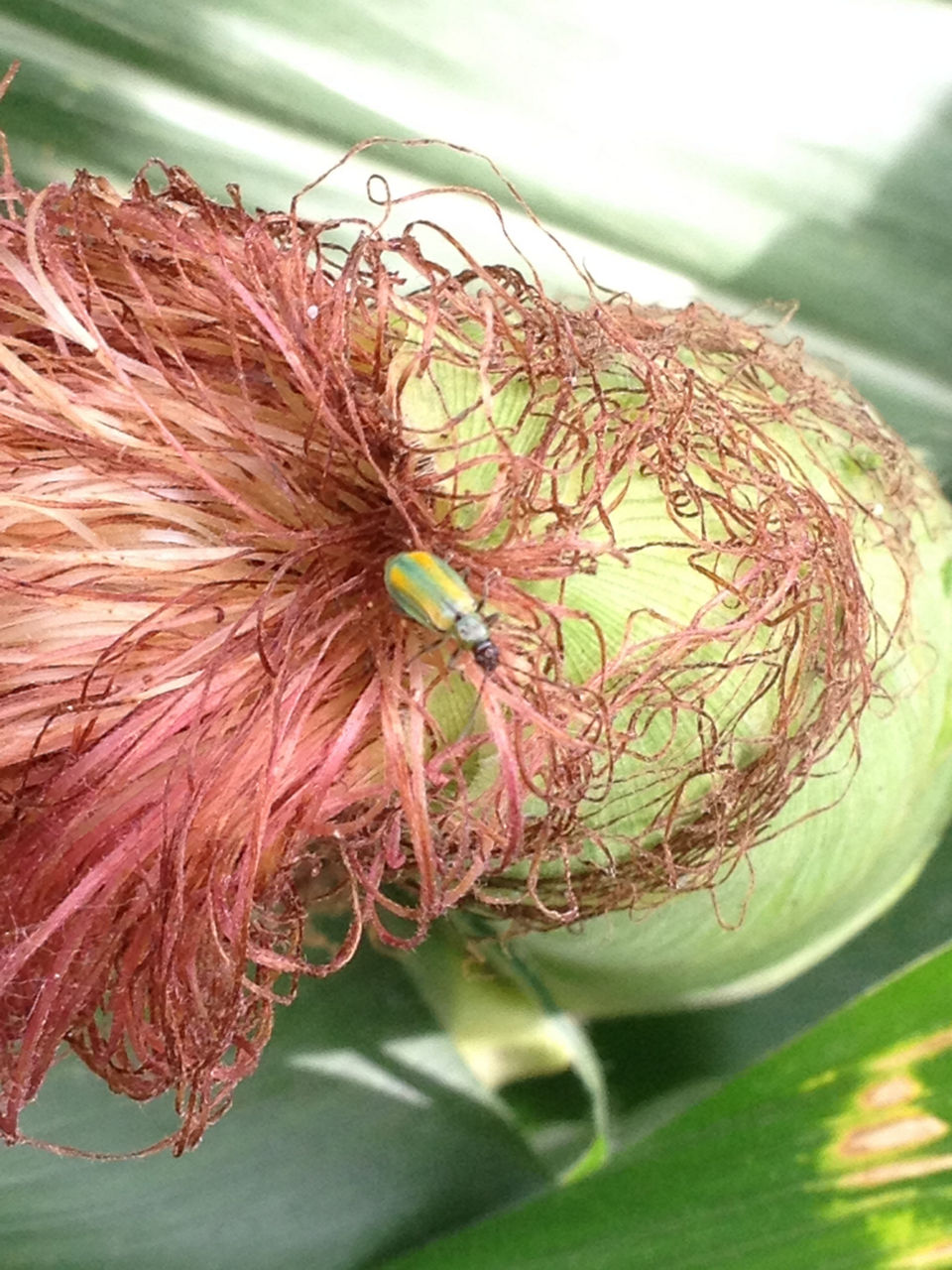
Corn rootworm (CRW) – CRW is a pest concern for any corn-on-corn acre, including silage corn. Corn rootworm species are among the most economically important insect pests in the Corn Belt and are estimated to cost $2 billion in yield loss and management expenses annually.4,5 Western, northern, and Mexican corn rootworm populations can become problematic where continuous corn is grown, because these species overwinter as eggs and hatch into larvae that feed on corn roots. Southern corn rootworm overwinters as adults and lays eggs in the spring at the bases of many plant species, including corn. Adult CRW beetles can fly more than a mile during their lifetime.5
Silage corn fields often include later-maturing corn products, which can make them attractive to female CRW beetles when silks remain green after silks in nearby grain corn fields have turned brown. Increased egg laying in later-maturing corn fields may occur as female western, northern, and Mexican CRW beetles move to greener-silking fields. Southern corn rootworm has several generations per year and several host options.
Nematodes – plant-parasitic nematodes are regionally distributed and individual species may have an affinity for several crops in a rotation, including corn. Researchers in Ohio found that continuous corn did not result in a buildup of nematodes compared with corn rotated to soybean and wheat. However, in that study the tillage program used affected the odds of a nematode species being present. Lance and stubby-root nematode species were nearly twice as likely to be present in conservation tillage programs—including no-till, vertical-till, and minimum till—compared with conventionally tilled fields.6 Stunt nematodes were more likely to occur in conventionally tilled fields than in conservation tillage programs.
Corn Rootworm and Nematode Management for Corn Silage
Corn Rootworm. Root digs and node injury ratings should be used to evaluate current CRW management practices. The following root node injury scores, based on the Iowa State University 0 to 3 scale, may indicate that a change in management is needed:
- A node injury score of 0.25, as this can cause economic injury.5
- A field-average score greater than 1.0 in fields with a single Bt trait.7
- A field-average score greater than 0.5 in fields with pyramided Bt traits.7
- High adult beetle presence, greater than two beetles per sticky trap per day.5,7
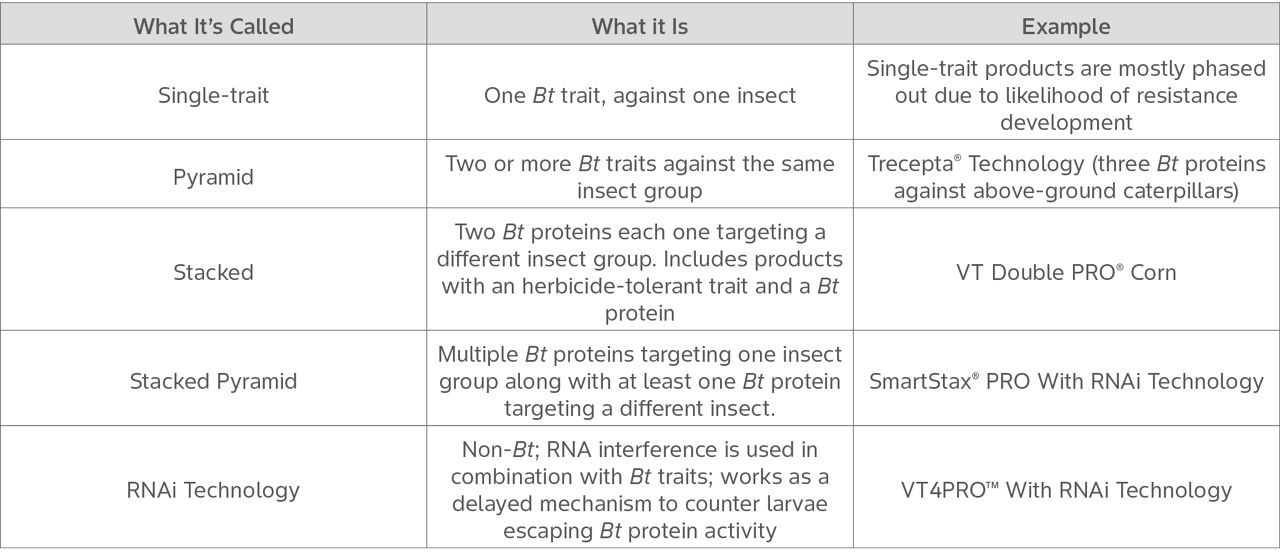
Farm-level node injury scores and sticky trap counts are useful first indicators that CRW management may need to change. Crop rotation, trait rotation, and insecticides should be incorporated into an integrated pest management approach to help preserve available technologies. Some root feeding can still occur with built-in Bt trait protection because larvae must ingest the protein before it can affect them. Trait packages of DEKALB® silage seed corn products should be reviewed when increased node injury or adult CRW beetle trap counts are observed (Table 1).
Nematodes. Samples of both soil and roots should be taken mid-season and sent to a nematode testing laboratory for analysis. Injury thresholds and soil type should guide management. General stress reduction may help plants overcome nematode injury.
More information on parasitic nematodes in corn can be found here: Parasitic Nematodes in Corn
Acceleron® N-314 seed treatment is offered for protection from a wide range of nematode species. This seed treatment includes the active ingredient fluopyram as a nematicide; Bacillus firmus is a bacterial strain included to colonize corn roots and act as a living barrier against nematode damage.
Aboveground Insects Impacting Corn Silage Yield
Aboveground pests can be more problematic when silage corn is planted significantly later than most corn in the area. Later-planted corn can attract high populations of corn borers, western bean cutworm, corn earworm, and other aboveground caterpillar pests. In these situations, injury may be greater than in earlier-planted corn.
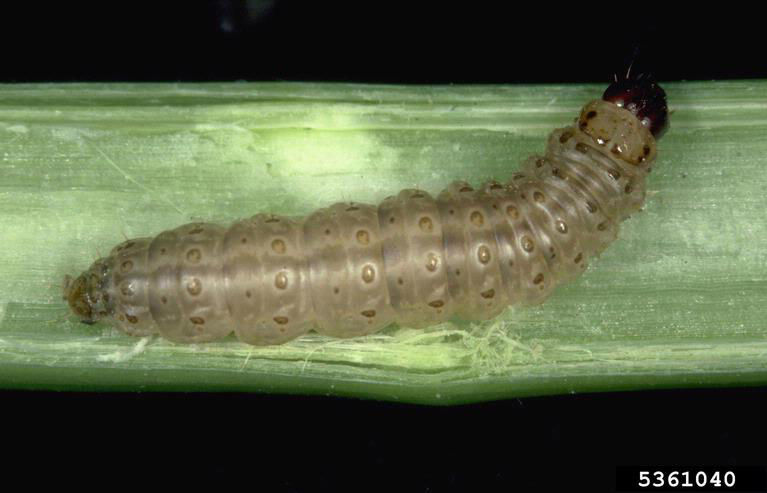
Corn borers – European corn borer can cause more than 12% corn yield loss when three insects are found per plant at the pre-tasseling stage.8 Although this represents the high end of the yield-loss range, it does not account for stalk breakage or ear droppage. Later-maturing fields, such as silage acres, are at greater risk for second-generation corn borer damage in areas where this insect has multiple generations per year.
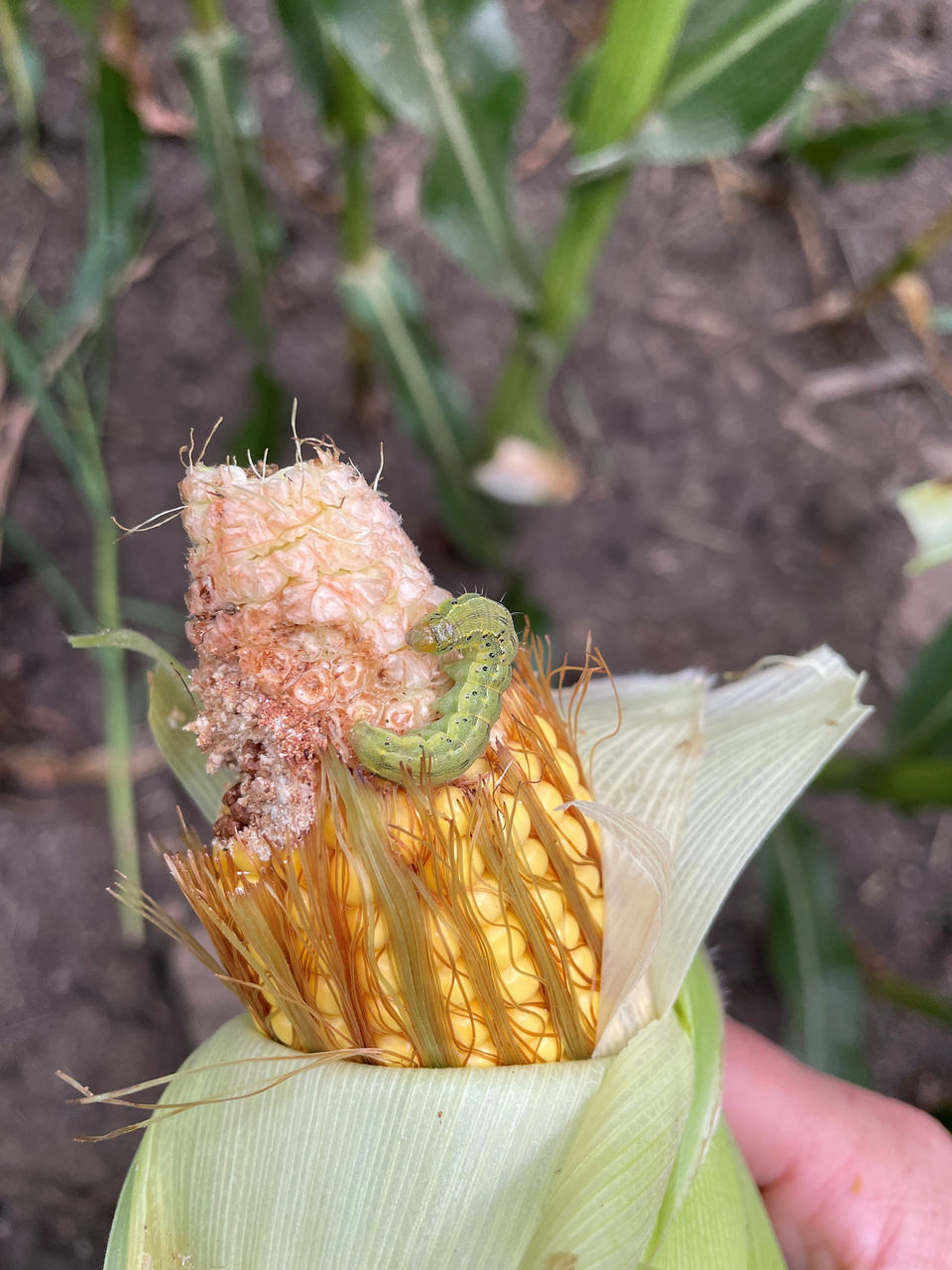
Ear-feeding caterpillars – Western bean cutworm (WBC) and corn earworm (CEW) can be difficult to control because insecticide application timing must align closely with egg hatch and early larval movement to be effective. Adult WBC moths are attracted to late-whorl stage corn for egg laying.9 The insecticide application window has passed once eggs hatch and larvae move into the silk channel to feed on kernels. Similarly, adult CEW moths lay eggs on fresh silks. Eggs hatch two to five days later and CEW larvae enter ears to feed on kernels, ending the effective insecticide application window.10 If insecticides are used to manage ear-feeding larvae, plants should be watched for potential mite flare-ups—especially during moisture stress.
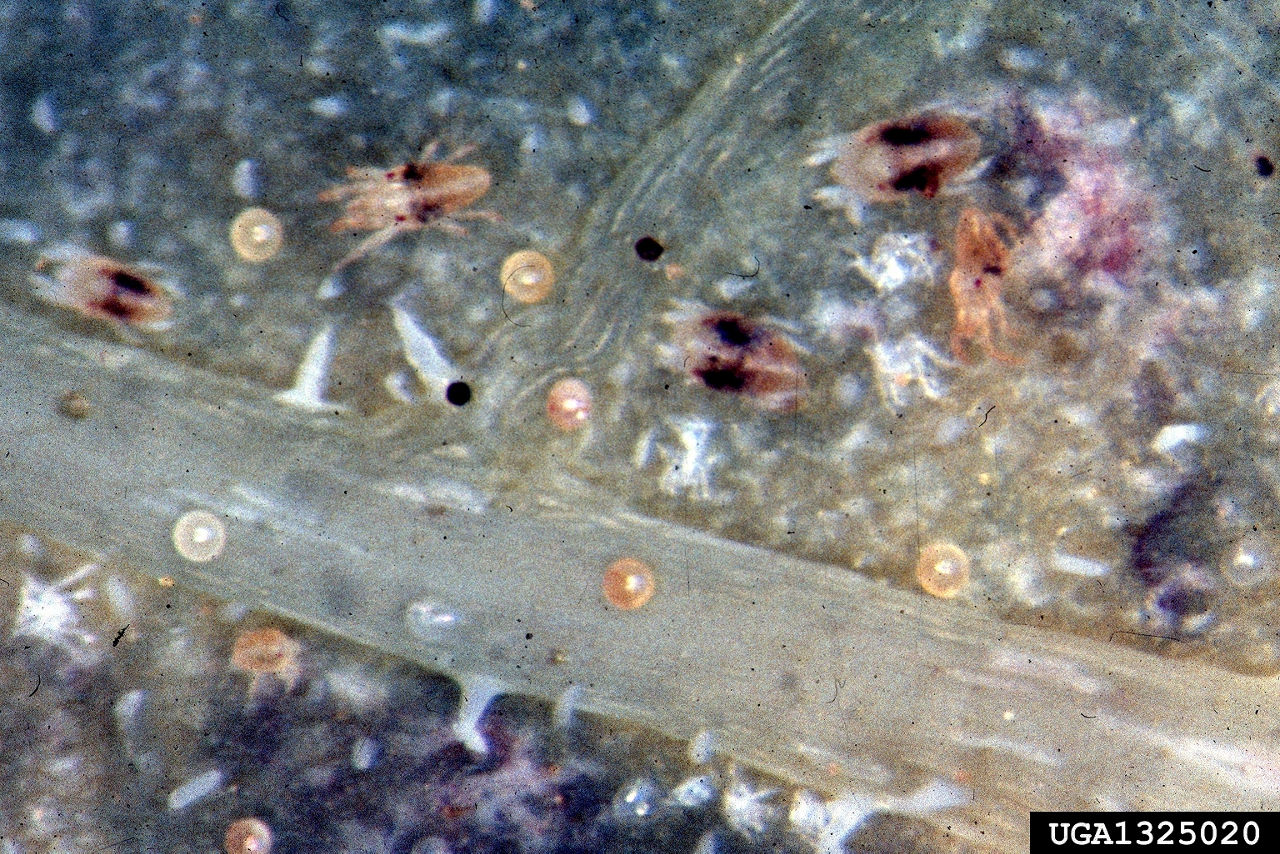
Spider mites – Banks grass mites and twospotted spider mites are important pests in arid corn-growing regions and drought-stricken areas just before and during pollination. Miticide or acaricide applications can be effective when application timing is managed correctly. These pesticides often do not kill eggs, so reapplications may be needed to bring populations under control. During hot, dry conditions of about 104 °F, twospotted spider mites may complete their life cycle in 10 days or less.11
Stalk and Ear Protection with Traits
Trait packages for aboveground insect species can be compared with the Corn Trait Comparison Tool. For corn silage acres where ear-feeding damage is a concern, Trecepta® Technology combines three modes of action to help protect against aboveground pests, including corn borers, fall armyworm, western bean cutworm, black cutworm, and corn earworm. Corn products with traits that protect against ear-feeding insects have been associated with insect feeding reductions of 70 to 85% and rates of ear rot infections reduced 70 to 75%. In the cited study, these reductions were also associated with reduced mycotoxin levels in silage corn grown under high insect pressure.12
Mycotoxins in Silage Grain
Insect feeding creates wounds that can increase susceptibility to fungal infections caused by Aspergillus, Fusarium, Gibberella, and Penicillium species. These fungi can produce mycotoxins, including aflatoxin, zearalenone, fumonisin, and vomitoxin.13 Mycotoxins are stable compounds that—once present—may not eliminate them from stored corn by ensiling, freezing, drying, heating, or pH changes.14 Best management practices should be used to help reduce insect feeding and mycotoxin development before ensiling.
Sources
1Davis, R., Karren, J.B., and Roe, A.H. 2020. Wireworms. Utah State University. https://extension.usu.edu/planthealth/research/wireworms/
2DiFonzo, C. and Tilmon, K. 2026. Pest management guide for field crops insects: corn section. Michigan State University and Ohio State University. https://msu-prod.dotcmscloud.com/field_crops/uploads/files/Complete%20Guide%20March%202026.pdf
3Conlon, R. 2022. Billbug. NC State Extension. https://corn.ces.ncsu.edu/corn-insect-management/field-corn-insect-pests/billbug/
4Bessin, R. 2026. Corn rootworms in Kentucky. University of Kentucky. ENTFACT-152. https://entomology.mgcafe.uky.edu/ef152
5Wangila, D.S., Ribeiro, M., Prochaska, T.J., Brhel, J. 2025. Considerations for managing corn rootworm – it’s not too late. University of Nebraska – Lincoln Crop Watch. https://cropwatch.unl.edu/considerations-managing-corn-rootworm-its-not-too-late/
6Simon, A.C.M., Lopez-Nicora, H.D., Niblack, T.L., Dayton, E.A., Tomashefski, D., and Paul, P.A. 2018. Cropping practices and soil properties associated with plant-parasitic nematodes in corn fields in Ohio. Plant Disease. 102(12): 2519–2530. https://doi.org/10.1094/PDIS-03-18-0471-RE
7Corn Rootworm IPM Regional Working Group. 2026. Control with chemicals & traits. Iowa State University. https://cornrootworm.extension.iastate.edu/control-chemicals-traits
8Purdue University Extension Entomology. 2025. European corn borers (corn) Ostrinia nubilalis Huber. Purdue University. https://ag.purdue.edu/department/entm/extension/field-crops-ipm/corn/european-corn-borers.html
9Hodgson, E. 2009. Use treatment thresholds for western bean cutworm. Iowa State University. https://crops.extension.iastate.edu/cropnews/2009/07/use-treatment-thresholds-western-bean-cutworm
10Foster, R.E. 2016. Vegetable insects – corn earworm. Purdue University. https://extension.entm.purdue.edu/publications/E-31/E-31.html
11College of Agricultural Sciences. 2022. Twospotted spider mite, Tetranychus urticae. Colorado State University. https://agsci.colostate.edu/agbio/ipm-pests/spider-mite/
12Kaur, H., Kaatz, P., Mangual, M., and Singh, M. 2022. Mycotoxins in Michigan silage corn: status and lessons learned. Michigan State University Extension. https://www.canr.msu.edu/news/mycotoxins-in-michigan-silage-corn-status-and-lessons-learned
13Jackson-Ziems, T.A., Giesler, L.J., Harveson, R.M., Korus, K.A., Liu, B., and Wegulo, S.N. 2012. Corn disease profile III – ear rot diseases and grain molds. University of Nebraska-Lincoln Extension. https://extensionpubs.unl.edu/publication/ec1901/2012/pdf/view/ec1901-2012.pdf
14Smith, D.L. 2018. What to expect from stalk rot and mycotoxins in severely diseased and damaged corn. University of Wisconsin-Madison. https://ipcm.wisc.edu/blog/2018/09/what-to-expect-from-stalk-rot-and-mycotoxins-in-severely-diseased-and-damaged-corn/
Web sources verified 07/02/2026. 1215_813600
Disclaimer
ALWAYS READ AND FOLLOW GRAIN MARKETING AND ALL OTHER STEWARDSHIP PRACTICES AND PESTICIDE LABEL DIRECTIONS.